ASUS TUF Gaming TUF707ZC-HX021W RAM upgrade specifications

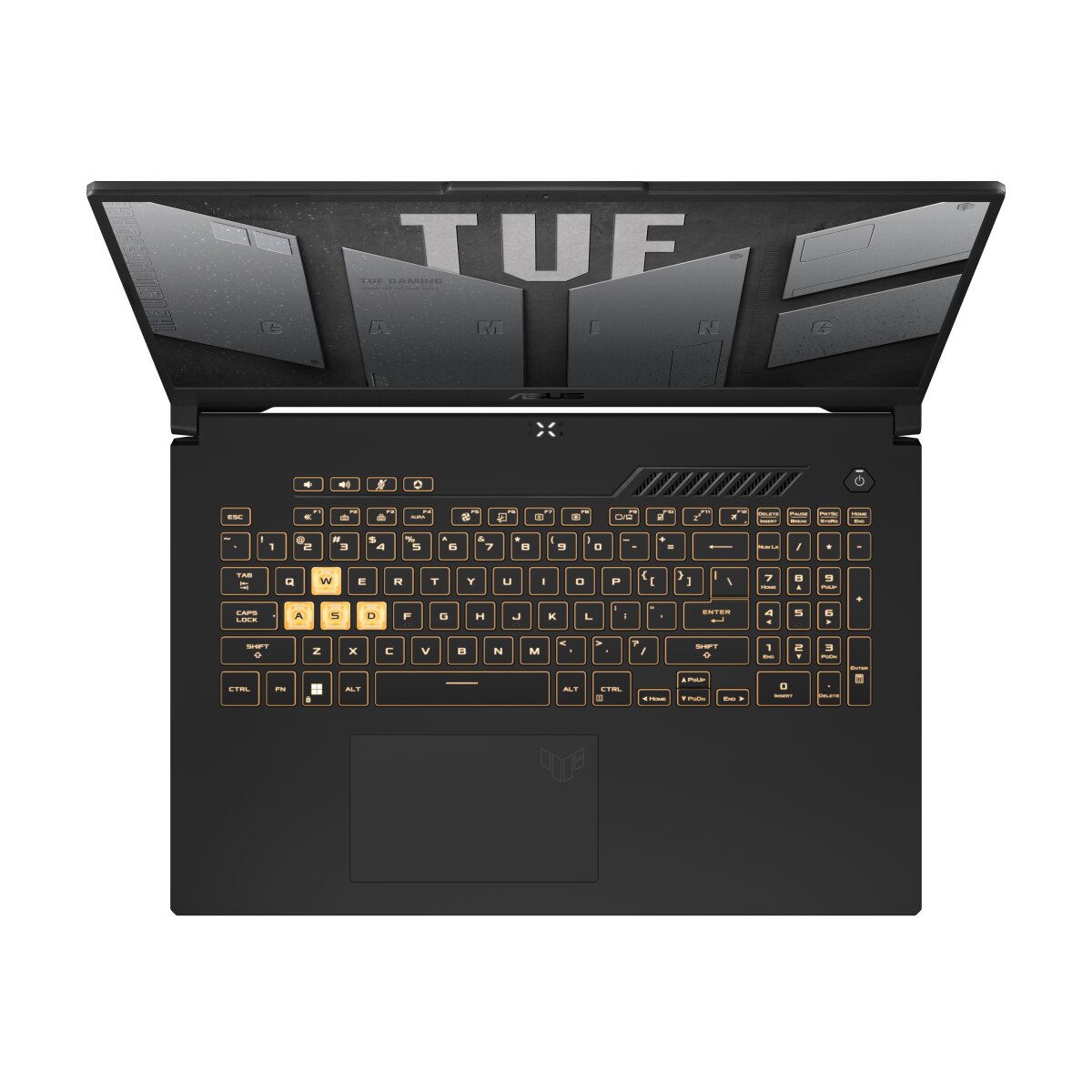


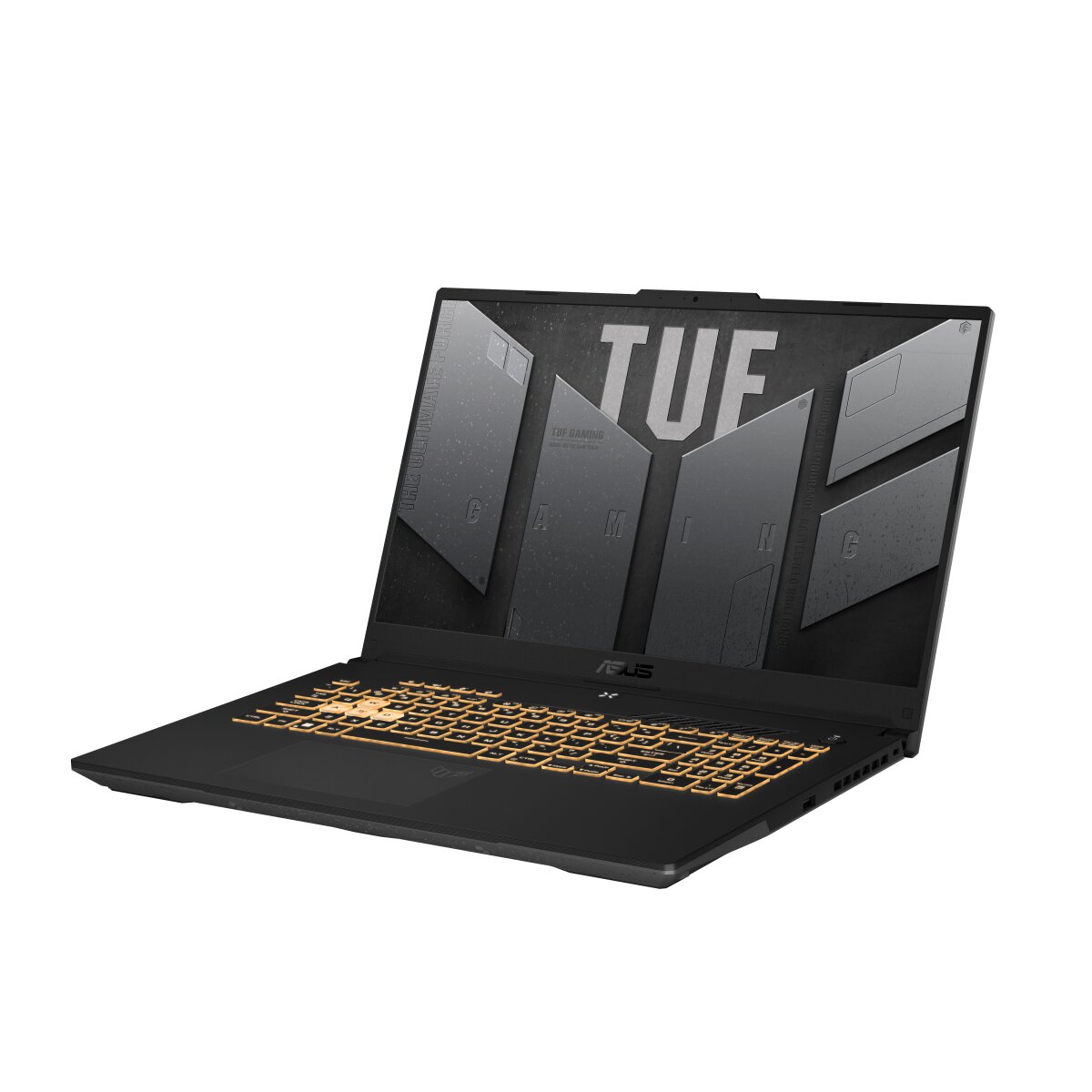
The ASUS TUF Gaming F17 series model TUF707ZC-HX021W supports DDR5-SDRAM memory upgrades. The laptop contains 2x SO-DIMM memory slots with a maximum RAM capacity of 32 GB. Compatible memory modules operate at 4800 MHz frequency. Specifications indicate SO-DIMM form factor memory is required for upgrade compatibility with this TUF Gaming F17 laptop model.
Memory Upgrade Specifications
| Specification | Value |
|---|---|
| Memory slots | 2x SO-DIMM |
| Form factor | SO-DIMM |
| Memory type | DDR5-SDRAM |
| Frequency | 4800 MHz |
| Maximum RAM | 32 GB |
| Voltage | 1.1V |
| Number of pins | 262-pin |
| Interface | PC5 |
| PC Speed Rating | PC5-4800 (PC5-38400) |
| Bandwidth | 38.4 GB/s |
| Laptop Release date | 31 December 2021 |
Additional Notes
- The ASUS TUF Gaming TUF707ZC-HX021W supports DDR5 modules exclusively, meaning DDR4 modules from previous generation laptops are physically incompatible due to different notch positioning and voltage requirements.
- The 32 GB maximum capacity limitation is enforced by the chipset or CPU memory controller, preventing recognition of higher density modules even if they physically fit the slots.
- Both SO-DIMM slots must be populated with matching speed and latency specifications to enable dual-channel mode, which doubles memory bandwidth compared to single-channel operation.
- Installing modules rated below 4800 MHz will force the system to downclock all memory to the lowest common speed, reducing peak data transfer rates.
- DDR5 SO-DIMM modules require 1.1V operating voltage, while DDR4 required 1.2V, making cross-generation installation electrically incompatible even if physical insertion were possible.
- The SO-DIMM form factor measures 67.6mm in length compared to standard DIMM at 133.35mm, restricting upgrades to laptop-specific modules unavailable in desktop configurations.
- Mixing different capacity modules across the 2 slots will typically revert the system to single-channel mode or flex mode with reduced performance in asymmetric configurations.
- DDR5's on-die ECC operates independently of system-level ECC support, providing error correction for internal transfers without requiring BIOS configuration.
- The 4800 MHz specification represents effective data rate, while the actual memory clock operates at 2400 MHz through quad data rate transfers.
- Warranty preservation requires using JEDEC-standard modules rather than XMP/EXPO overclocked variants, as non-standard profiles may void coverage if instability occurs.
- The dual SO-DIMM configuration lacks support for triple or quad-channel architectures found in workstation platforms, capping theoretical bandwidth at 76.8 GB/s.
- DDR5 modules incorporate power management ICs directly on each stick, unlike DDR4 where motherboard voltage regulation controlled all modules collectively.