ASUS TUF Gaming TUF707ZC4-HX060W RAM upgrade specifications


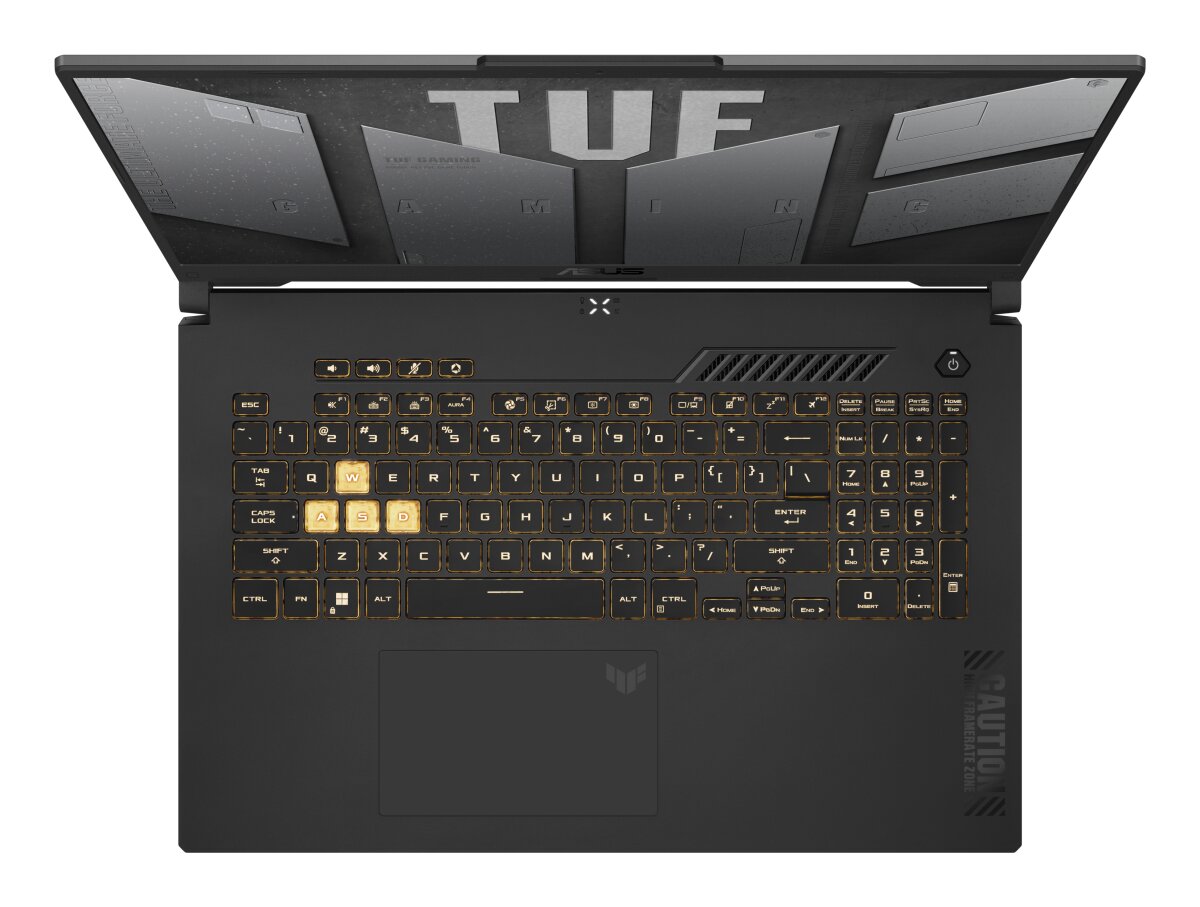


ASUS TUF Gaming F17 series model TUF707ZC4-HX060W supports DDR5-SDRAM memory upgrades. The laptop features 2x SO-DIMM slots with maximum RAM capacity of 32 GB total. Compatible memory modules operate at 4800 MHz frequency. SO-DIMM form factor specifications apply to all upgrade options. Maximum specifications enable users to expand memory configuration up to 32 GB, providing enhanced multitasking and performance capabilities. Memory upgrade compatibility requires DDR5-SDRAM technology adherence with matching frequency and SO-DIMM slot requirements.
Memory Upgrade Specifications
| Specification | Value |
|---|---|
| Memory slots | 2x SO-DIMM |
| Form factor | SO-DIMM |
| Memory type | DDR5-SDRAM |
| Frequency | 4800 MHz |
| Maximum RAM | 32 GB |
| Voltage | 1.1V |
| Number of pins | 262-pin |
| Interface | PC5 |
| PC Speed Rating | PC5-4800 (PC5-38400) |
| Bandwidth | 38.4 GB/s |
Additional Notes
- Dual channel architecture requires matching module pairs to achieve full memory bandwidth and prevents single channel performance penalties during heavy processing.
- The 32 GB threshold represents a firmware or hardware controller limitation that prevents the use of higher capacity 32 GB or 4800 MHz 64 GB kits.
- Upgrading the ASUS TUF707ZC4-HX060W necessitates access through the bottom chassis panel which requires specialized pry tools to avoid damaging the plastic clips surrounding the thermal vents.
- Installing modules with lower latency timings than the factory defaults may result in the system reverting to standard JEDEC profiles as the BIOS often lacks manual XMP or EXPO voltage adjustments.
- The DDR5 architecture incorporates on die ECC which manages internal bit flips but does not provide the full bus level data integrity found in server grade buffered memory.
- Replacing both existing sticks is necessary during capacity expansion because the presence of only 2 slots eliminates the possibility of adding incremental memory to the base configuration.
- Operating at 4800 MHz ensures compatibility with the integrated memory controller but mixing modules with different ranks can cause the system to downclock to a lower frequency for stability.