ASUS TUF Gaming TUF707ZM-HX051W RAM upgrade specifications
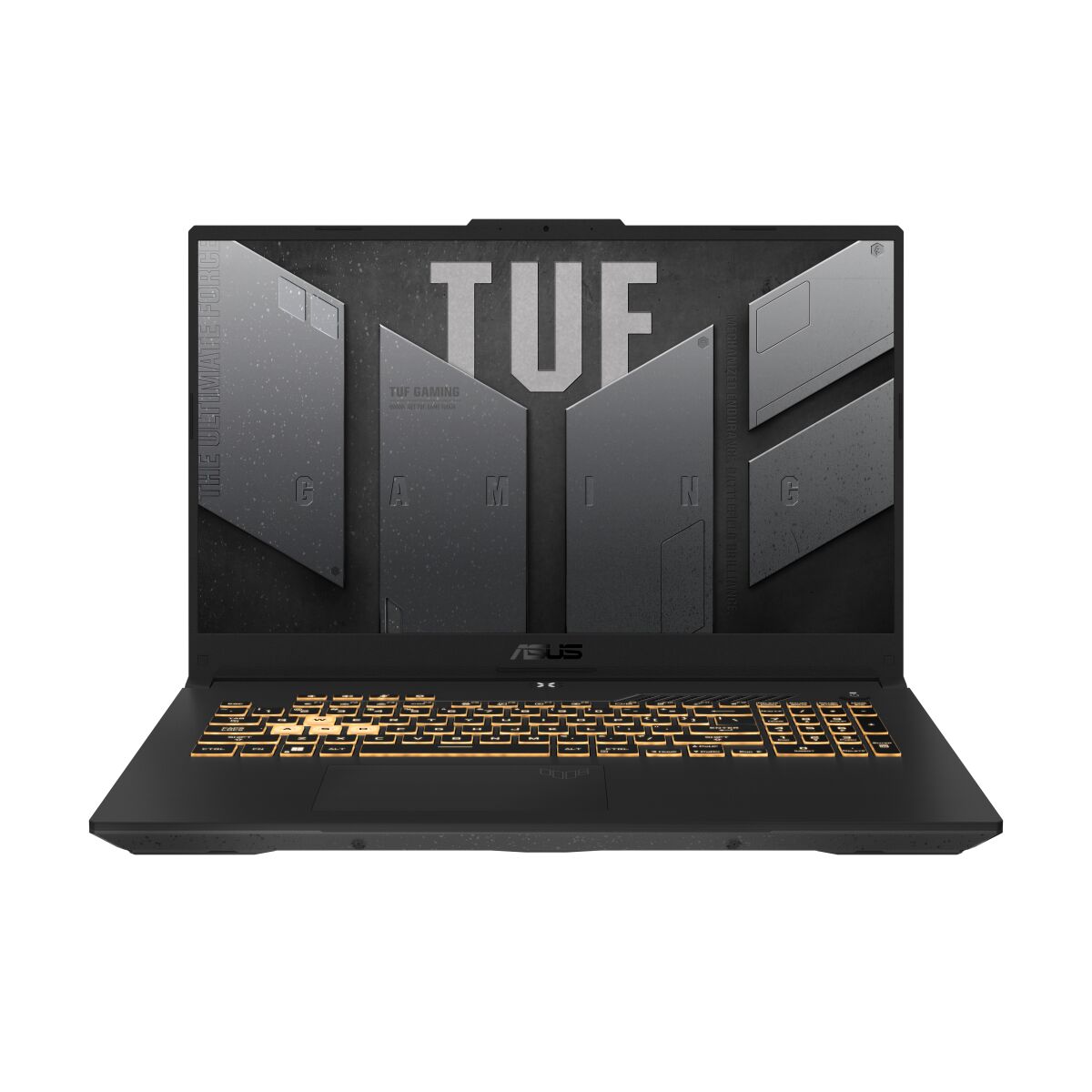
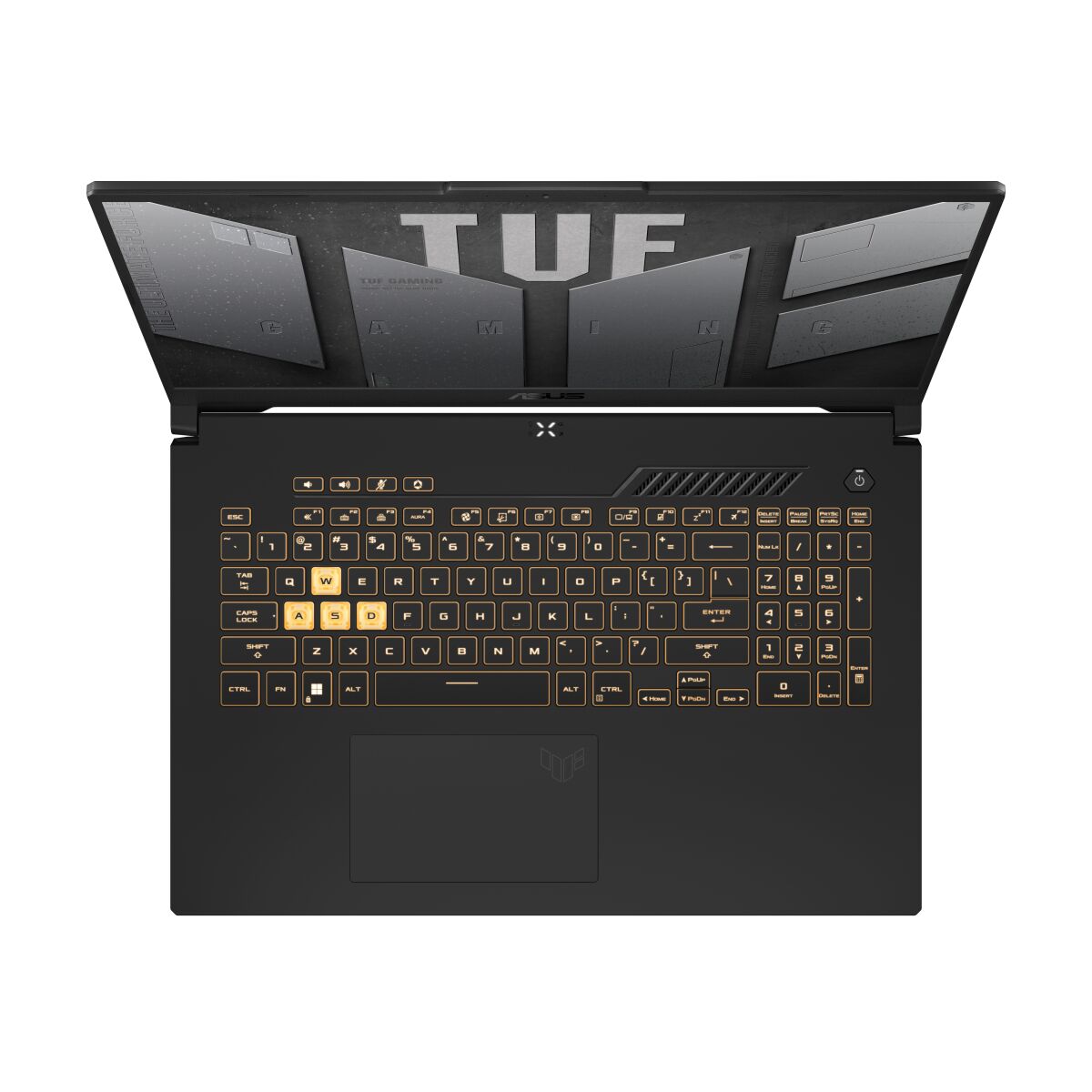
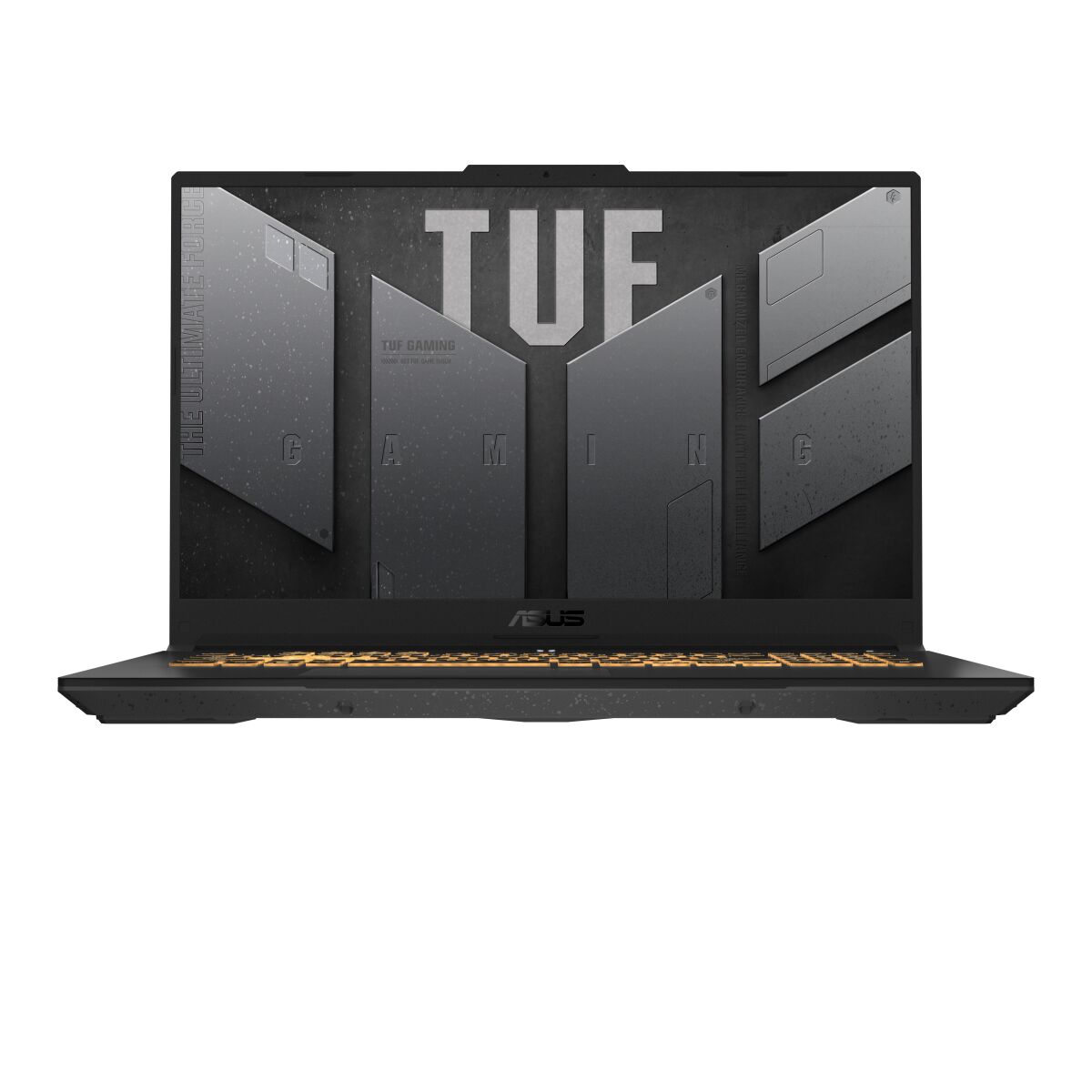
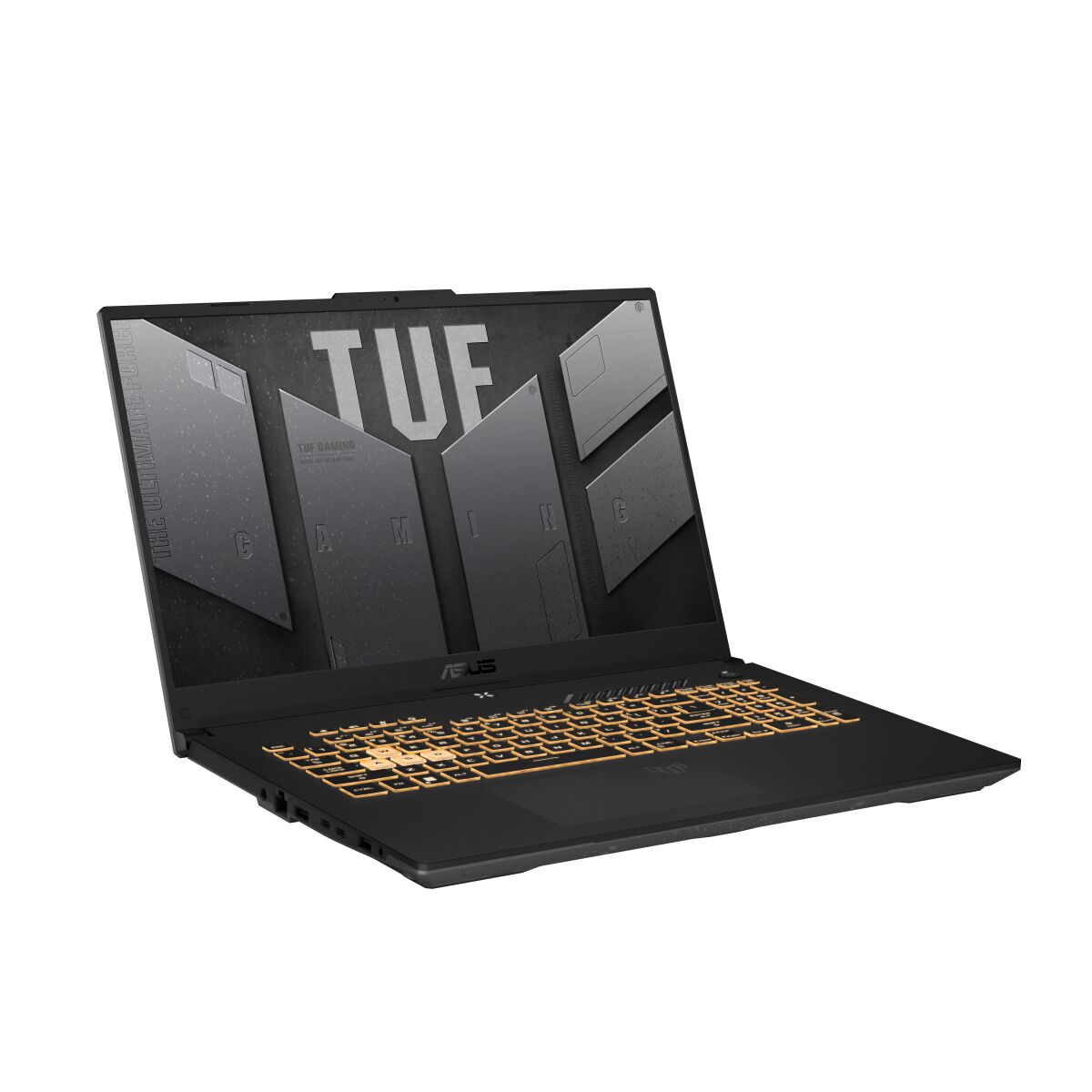
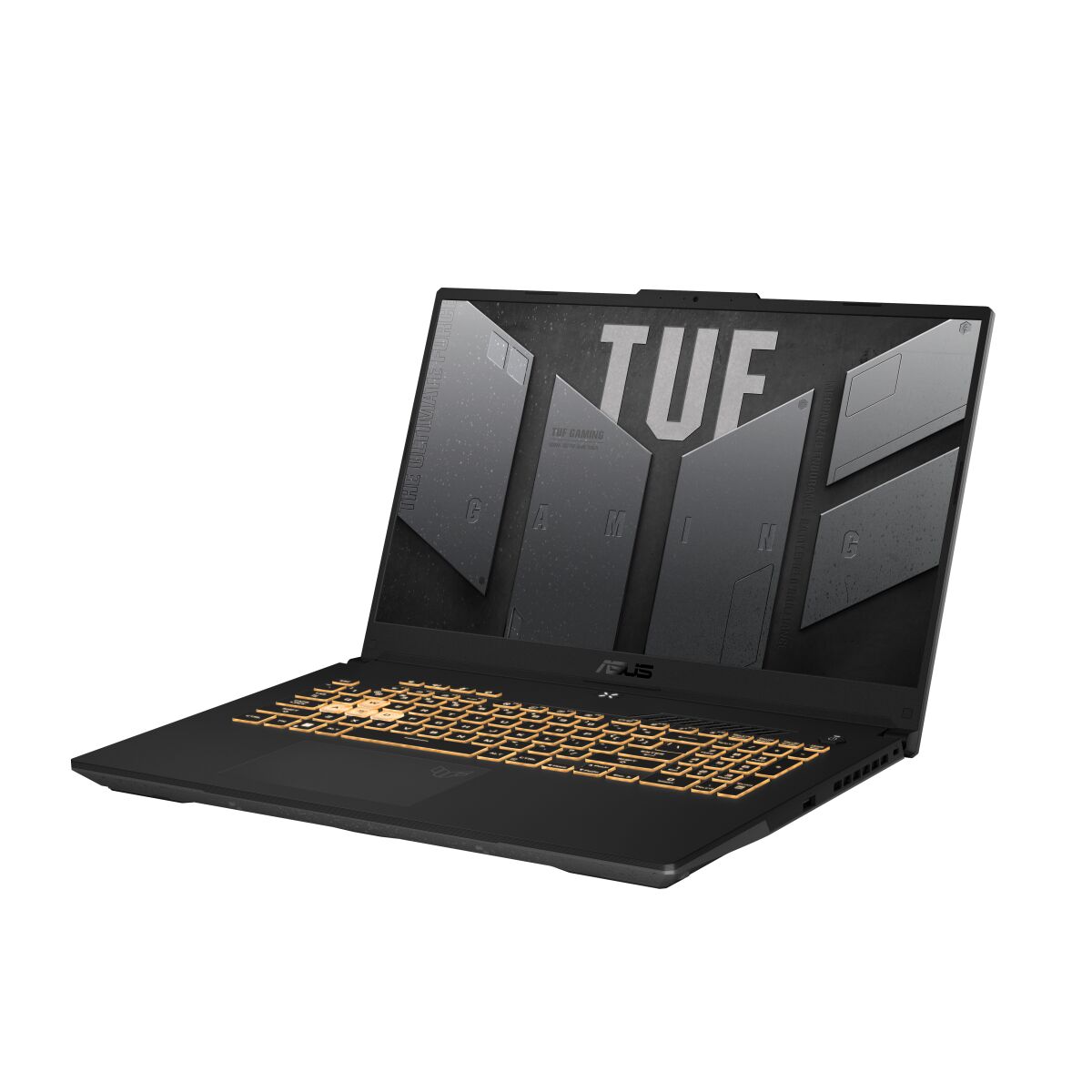
ASUS TUF Gaming F17 series model TUF707ZM-HX051W supports DDR5-SDRAM memory upgrades. The laptop features 2x SO-DIMM slots with a maximum RAM capacity of 32 GB. Compatible memory modules operate at 4800 MHz frequency. Current memory configuration and upgrade options are available for this TUF Gaming F17 model. SO-DIMM form factor specifications apply to all compatible RAM upgrades for the TUF707ZM-HX051W.
Memory Upgrade Specifications
| Specification | Value |
|---|---|
| Memory slots | 2x SO-DIMM |
| Form factor | SO-DIMM |
| Memory type | DDR5-SDRAM |
| Frequency | 4800 MHz |
| Maximum RAM | 32 GB |
| Voltage | 1.1V |
| Number of pins | 262-pin |
| Interface | PC5 |
| PC Speed Rating | PC5-4800 (PC5-38400) |
| Bandwidth | 38.4 GB/s |
| Laptop Release date | 17 March 2022 |
Additional Notes
- The 2 SO-DIMM slot configuration on the ASUS TUF Gaming TUF707ZM-HX051W enforces a dual-channel architecture where both slots must be populated equally to achieve rated DDR5-4800 MHz performance; single-slot operation or mismatched capacities will result in reduced bandwidth and force asymmetric channel access penalties.
- DDR5-4800 MHz memory requires JEDEC compliance verification at purchase, as not all DDR5 modules meeting the 4800 specification will train properly on Raptor Lake or Arrow Lake platforms due to SPD timing variations; retail modules marketed at 5600 MHz or higher may not downtrain reliably to 4800 MHz without BIOS adjustment.
- The 32 GB capacity ceiling means maximum expansion requires 2x 16 GB modules, which will occupy all available slots and prevent future memory scaling without complete replacement; any upgrade beyond this threshold requires removing existing modules.
- SO-DIMM slots in 14-inch gaming ultrabooks typically feature limited clearance above the modules, restricting adoption to low-profile heat-spreader designs under 8 mm in height; standard full-height DDR5 cooling solutions will contact internal components or the display bezel.
- Warranty coverage for DDR5 upgrades remains manufacturer-dependent; mixing OEM-spec memory with third-party modules may void components if thermal or voltage instability causes hardware failure, even if the third-party module meets JEDEC specifications.
- Memory latency at 4800 MHz on consumer-grade DDR5 typically ranges from 38 to 42 clock cycles; this represents a higher cycle-time penalty than DDR4-3200 (16 cycles), so gaming and single-threaded workload improvements depend primarily on bandwidth gains rather than latency reduction.