ASUS TUF Gaming TUF707ZM-KH101W RAM upgrade specifications

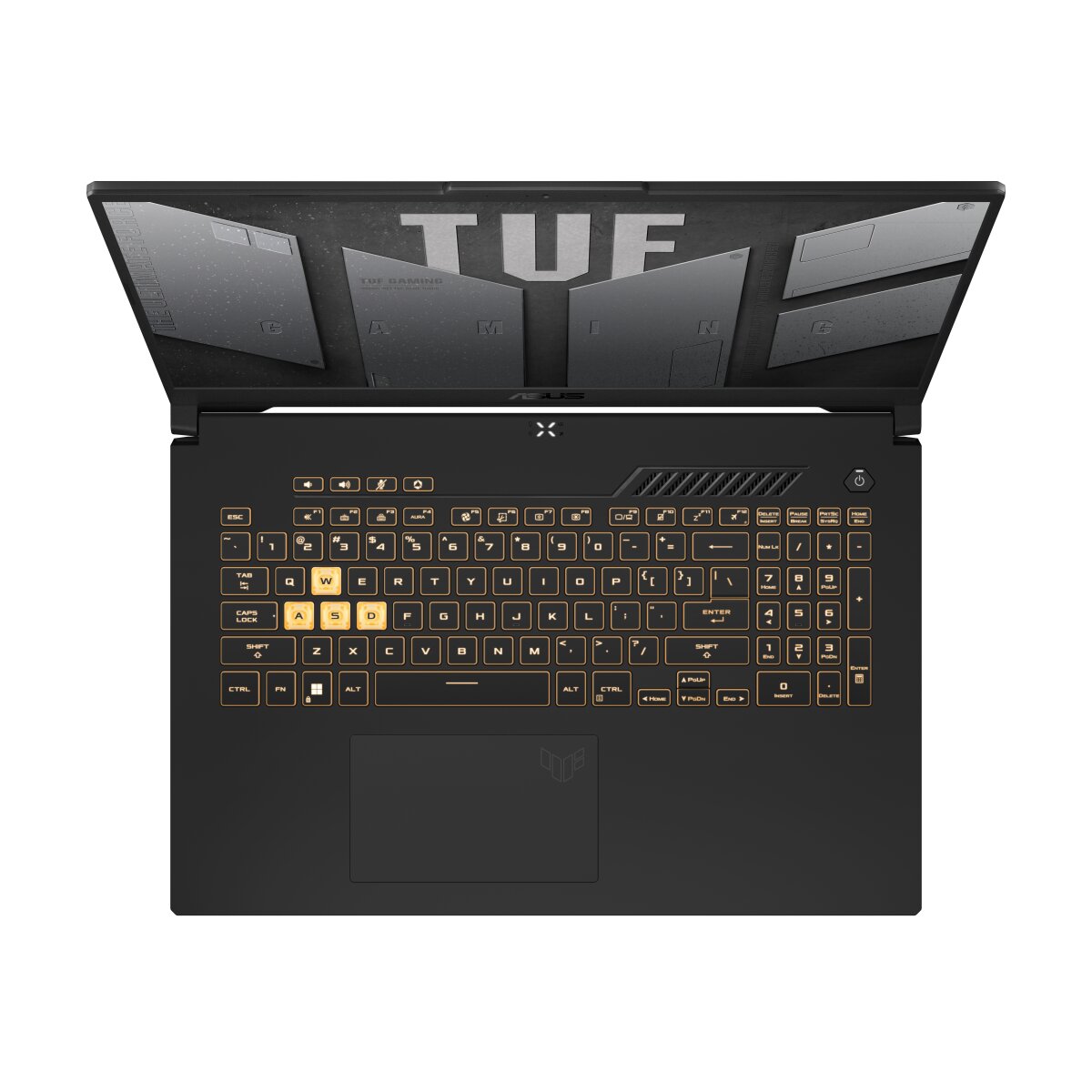


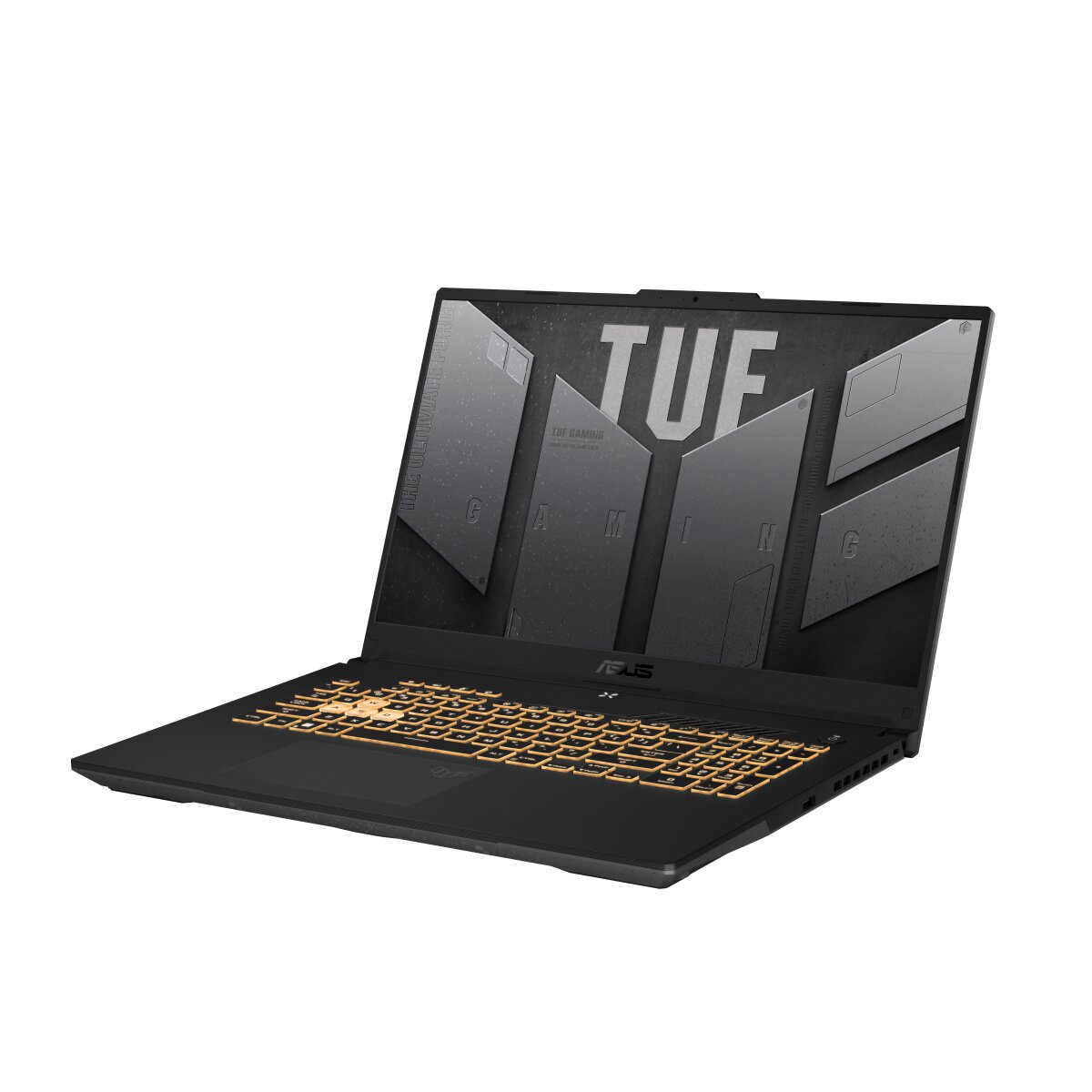
The ASUS TUF Gaming F17 series model TUF707ZM-KH101W laptop features DDR5-SDRAM memory with two SO-DIMM slots. Maximum RAM capacity reaches 32 GB, supporting DDR5-4800 MHz specifications. Compatible upgrade options utilize SO-DIMM form factor modules, enabling memory expansion within the two available slots to achieve the maximum supported capacity of 32 GB total.
Memory Upgrade Specifications
| Specification | Value |
|---|---|
| Memory slots | 2x SO-DIMM |
| Form factor | SO-DIMM |
| Memory type | DDR5-SDRAM |
| Frequency | 4800 MHz |
| Maximum RAM | 32 GB |
| Voltage | 1.1V |
| Number of pins | 262-pin |
| Interface | PC5 |
| PC Speed Rating | PC5-4800 (PC5-38400) |
| Bandwidth | 38.4 GB/s |
| Laptop Release date | 28 October 2022 |
Additional Notes
- The 32 GB maximum capacity reflects a chipset-level limitation that cannot be bypassed through firmware updates or BIOS modifications.
- DDR5-4800 represents JEDEC baseline specification, meaning the memory controller may support higher frequency modules but will downclock them to 4800 MHz during operation.
- Installing mixed-capacity modules across the 2 available slots will force the system into asymmetric dual-channel mode, maintaining bandwidth benefits while operating with unequal memory distribution per channel.
- The SO-DIMM form factor requirement eliminates compatibility with standard desktop DIMM modules despite identical DDR5 electrical specifications.
- Voltage regulation for DDR5 occurs on-module through a PMIC (Power Management Integrated Circuit), reducing motherboard-level compatibility issues compared to DDR4 systems.
- The ASUS TUF Gaming TUF707ZM-KH101W's dual-slot configuration means achieving the 32 GB maximum requires 2×16 GB modules, leaving no expansion headroom for future upgrades.
- Memory training times during POST will increase noticeably with higher-density modules or when running dual-channel configurations at full capacity.
- Mixing manufacturers between the 2 slots may prevent the system from achieving stable operation at rated frequency, even if both modules meet JEDEC DDR5-4800 specifications.
- Non-ECC unbuffered modules are required; registered or ECC variants will either fail to initialize or operate in non-ECC mode with performance penalties.
- The 4800 MHz frequency operates at significantly lower latency ratios compared to DDR4-3200, partially offsetting the absolute nanosecond latency increase inherent to DDR5 architecture.
- Memory replacement or addition requires complete power disconnection and battery removal to prevent component damage, as residual charge poses risks during SO-DIMM insertion.
- Operating a single module will halve the available memory bandwidth to approximately 38.4 GB/s, creating performance bottlenecks in GPU-integrated workloads and memory-intensive applications.