ASUS TUF Gaming TUF707ZM-HX034W RAM upgrade specifications

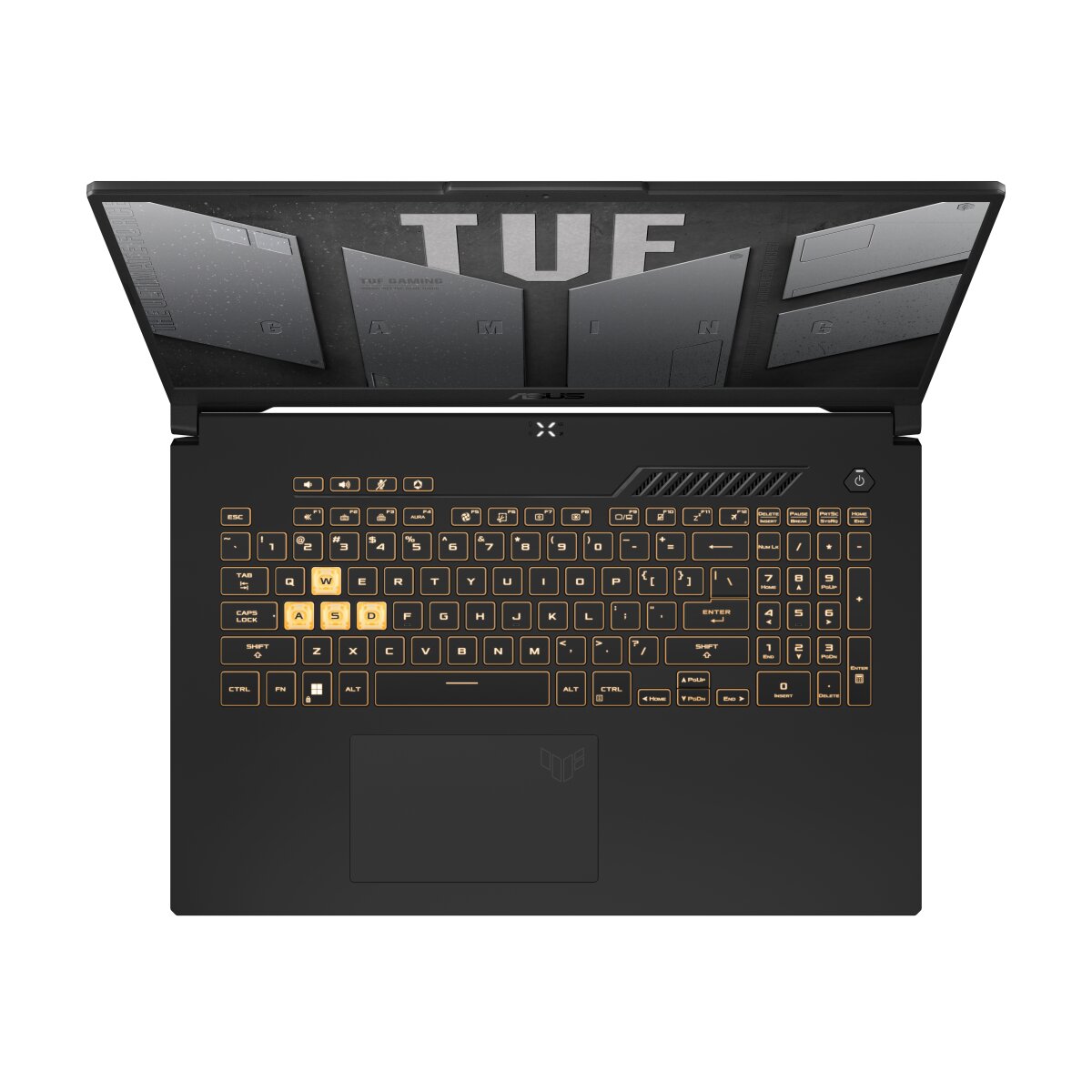


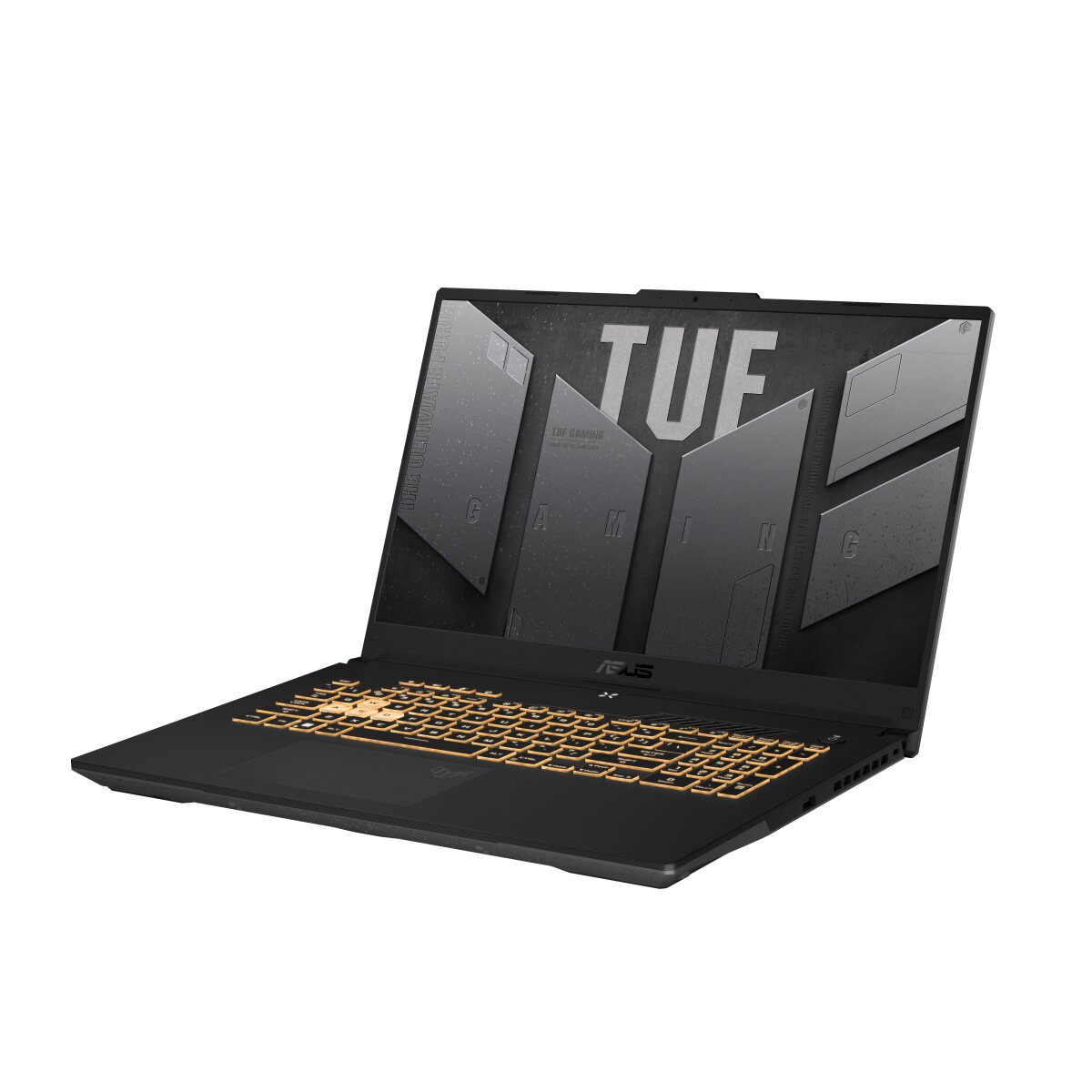
The ASUS TUF Gaming F17 series model TUF707ZM-HX034W supports DDR5-SDRAM memory upgrades through 2x SO-DIMM slots. The laptop accommodates a maximum RAM capacity of 32 GB, with compatible memory operating at 4800 MHz frequency. Specifications indicate DDR5 SO-DIMM form factor modules are required for memory expansion on this TUF Gaming F17 laptop model.
Memory Upgrade Specifications
| Specification | Value |
|---|---|
| Memory slots | 2x SO-DIMM |
| Form factor | SO-DIMM |
| Memory type | DDR5-SDRAM |
| Frequency | 4800 MHz |
| Maximum RAM | 32 GB |
| Voltage | 1.1V |
| Number of pins | 262-pin |
| Interface | PC5 |
| PC Speed Rating | PC5-4800 (PC5-38400) |
| Bandwidth | 38.4 GB/s |
| Laptop Release date | 31 December 2021 |
Additional Notes
- The DDR5-SDRAM specification means the ASUS TUF Gaming TUF707ZM-HX034W cannot accept DDR4 modules due to physical notch positioning differences and voltage incompatibility between standards.
- The 32 GB ceiling distributed across 2 slots limits configuration options to either 2x16 GB modules or asymmetric combinations that remain within the total capacity constraint.
- Mixing modules with different speeds will force all installed memory to operate at the frequency of the slowest module, negating any benefit from higher-rated components.
- Running a single module in one slot will disable dual-channel operation, effectively halving memory bandwidth and reducing performance in bandwidth-sensitive applications.
- SO-DIMM form factor modules measure shorter than desktop DIMM counterparts, preventing standard desktop memory from physical installation in this notebook architecture.
- The 4800 MHz specification indicates JEDEC standard speed operation, meaning modules rated for higher speeds such as 5200 MHz or 5600 MHz will downclock to match the controller's supported frequency.
- Accessing memory slots in this chassis typically requires bottom panel removal, which may affect warranty status if manufacturer seals are present and broken during the process.
- DDR5 architecture incorporates on-die ECC, but this consumer-grade platform likely does not expose full ECC functionality available in workstation-class systems.
- The 2-slot configuration prevents future expandability beyond the stated maximum without removing existing modules, unlike 4-slot desktop systems that allow incremental upgrades.
- Thermal performance of installed modules depends on module height clearance and heat spreader design, as gaming workloads generate sustained heat that must dissipate within confined notebook spacing.