ASUS TUF Gaming TUF707VV-HX229W RAM upgrade specifications
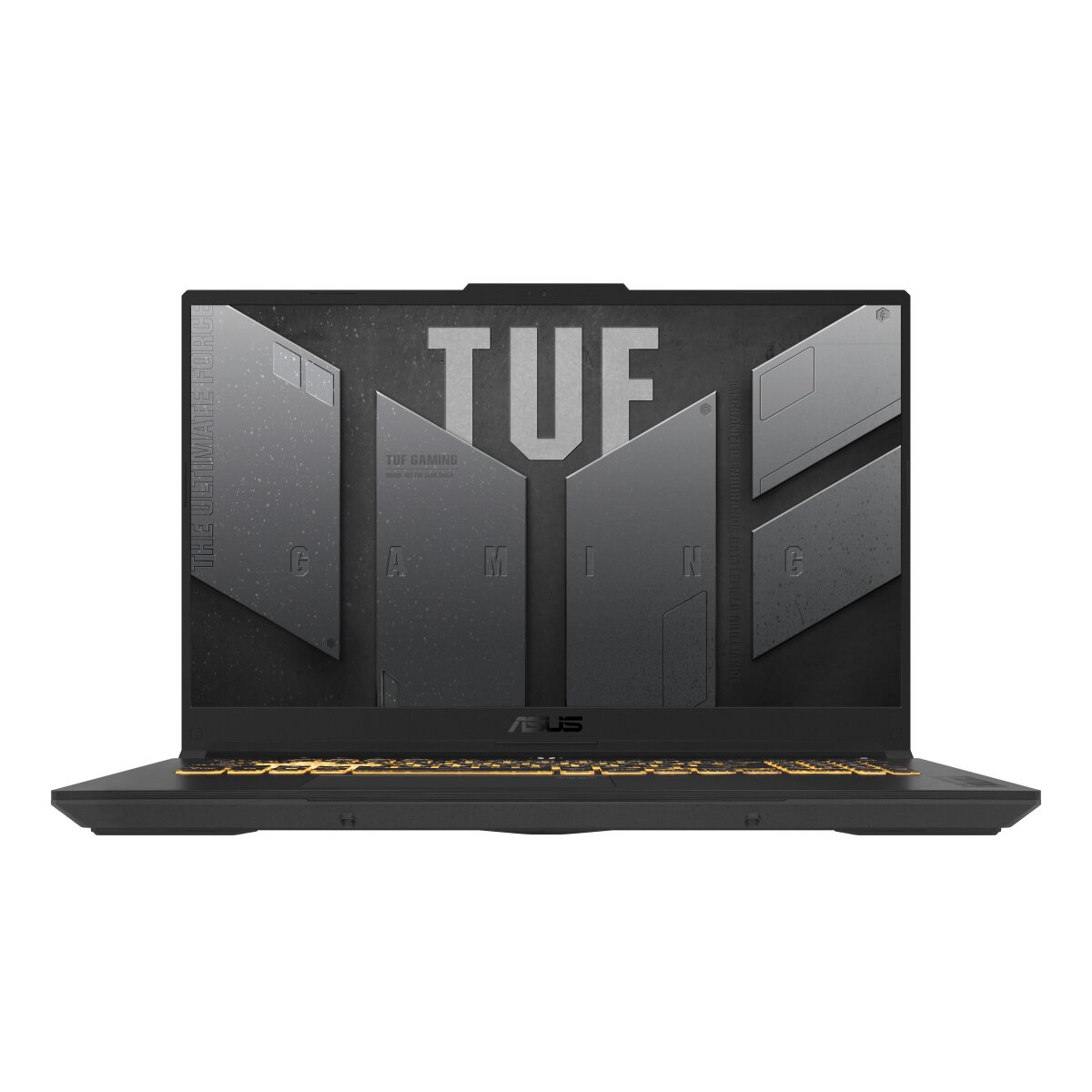




The ASUS TUF Gaming F17 TUF707VV-HX229W laptop features DDR5-SDRAM memory upgrade specifications with two SO-DIMM slots supporting a maximum RAM capacity of 64 GB. The memory operates at 4800 MHz frequency. Compatible upgrades utilize SO-DIMM form factor modules. The specifications enable users to expand the laptop's memory from its original configuration to the maximum supported capacity of 64 GB across both memory slots. DDR5-SDRAM technology provides enhanced performance characteristics compared to previous generation memory standards.
Memory Upgrade Specifications
| Specification | Value |
|---|---|
| Memory slots | 2x SO-DIMM |
| Form factor | SO-DIMM |
| Memory type | DDR5-SDRAM |
| Frequency | 4800 MHz |
| Maximum RAM | 64 GB |
| Voltage | 1.1V |
| Number of pins | 262-pin |
| Interface | PC5 |
| PC Speed Rating | PC5-4800 (PC5-38400) |
| Bandwidth | 38.4 GB/s |
Additional Notes
- The ASUS TUF Gaming TUF707VV-HX229W contains 2 SO-DIMM slots operating at 4800 MHz, limiting upgrade capacity to 64 GB total. Any DDR5 module exceeding this speed grade will downclock to 4800 MHz, making premium high-frequency variants unnecessary and economically inefficient.
- SO-DIMM form factor restricts module selection to laptop-specific DDR5 modules. Desktop DDR5 UDIMM modules are physically incompatible and cannot be force-fitted without risking slot damage or warranty voiding.
- The 2-slot architecture means both DIMM positions must be populated to achieve 64 GB capacity (2x32 GB configuration). Single-slot upgrades cannot saturate the platform's maximum memory bandwidth, potentially leaving performance gains unrealized in memory-intensive applications.
- DDR5-4800 operates at higher latency than entry-level DDR4 specifications on older platforms. Real-world gaming and content creation workloads may not exhibit proportional performance gains versus cost investment when upgrading from existing DDR5 configurations.
- SODIMM modules generate measurably more thermal output per watt than desktop equivalents due to density constraints. Sustained workloads exceeding 8 hours may trigger thermal throttling in confined laptop chassis environments, particularly if existing thermal paste or heatspreader contact degrades.