ASUS Vivobook S412FA-EB419T-BE RAM upgrade specifications
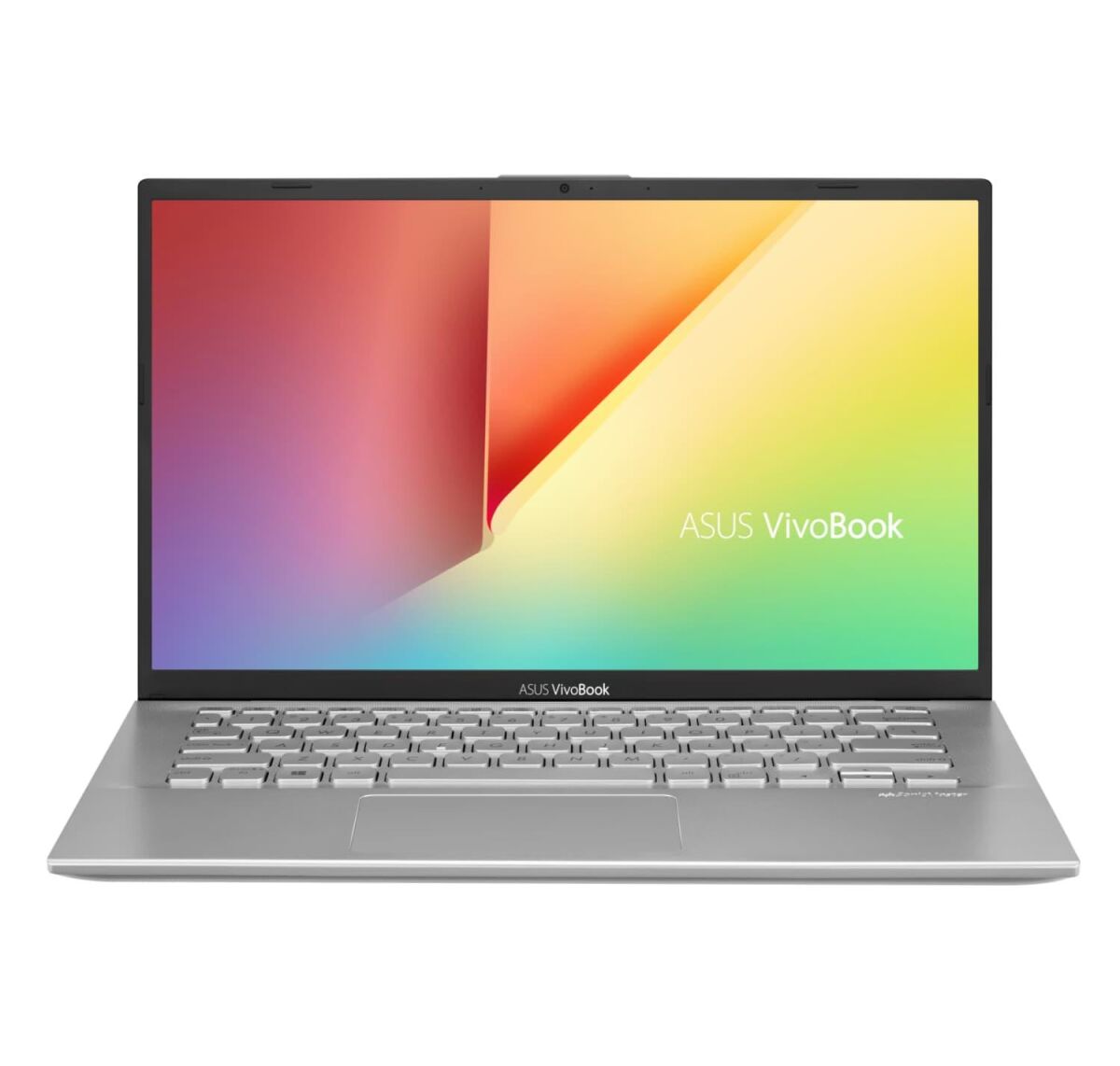
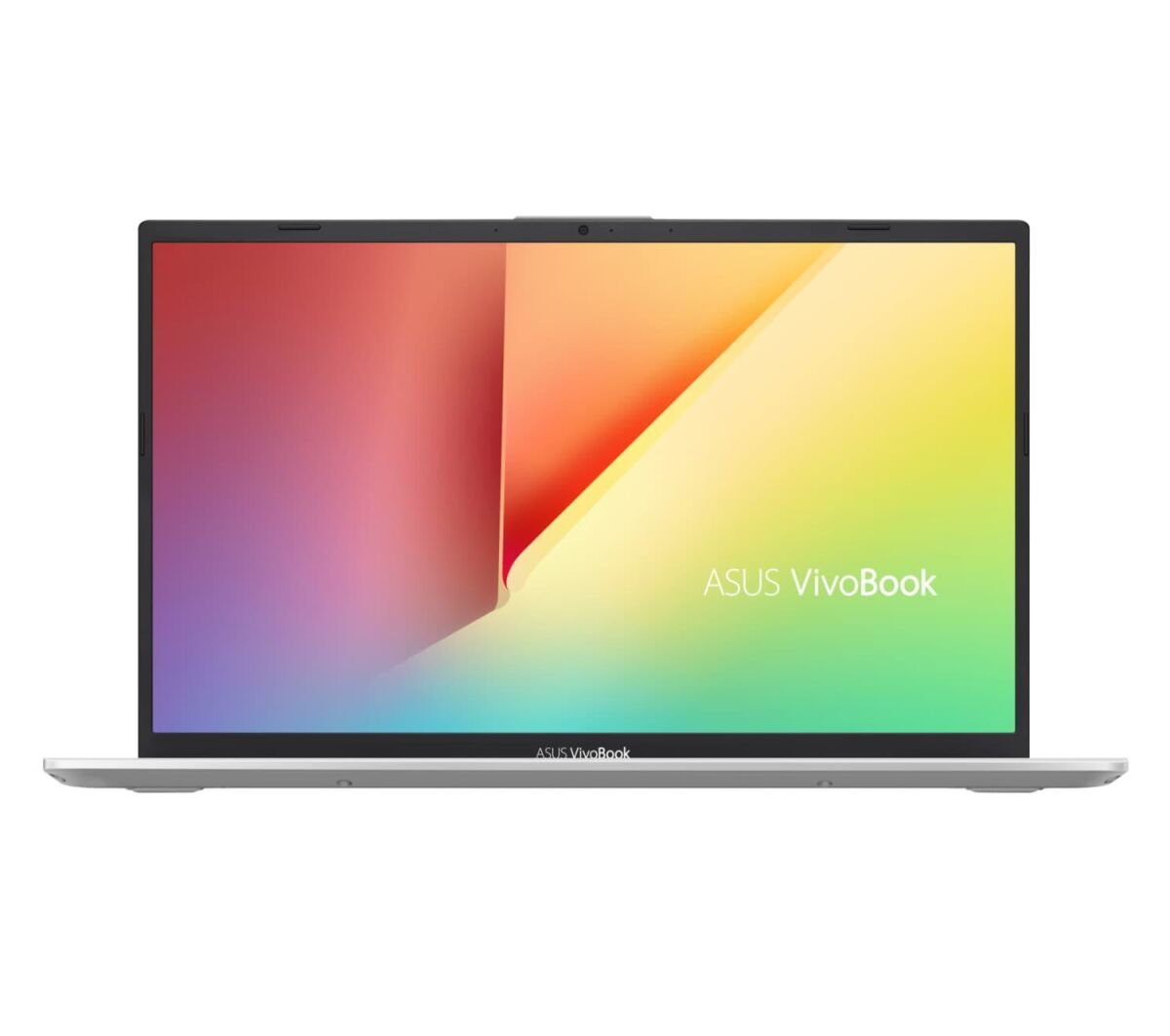
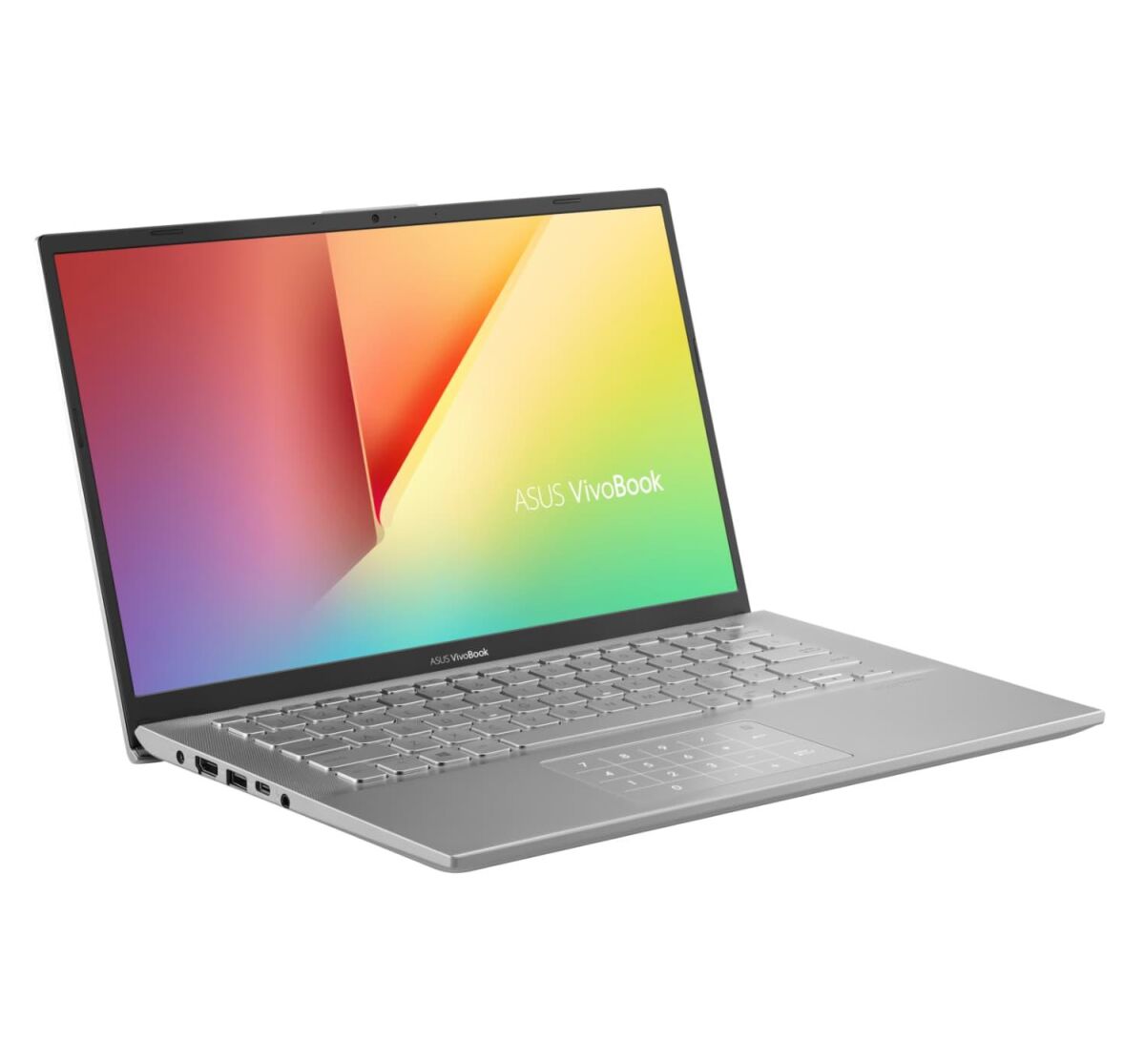
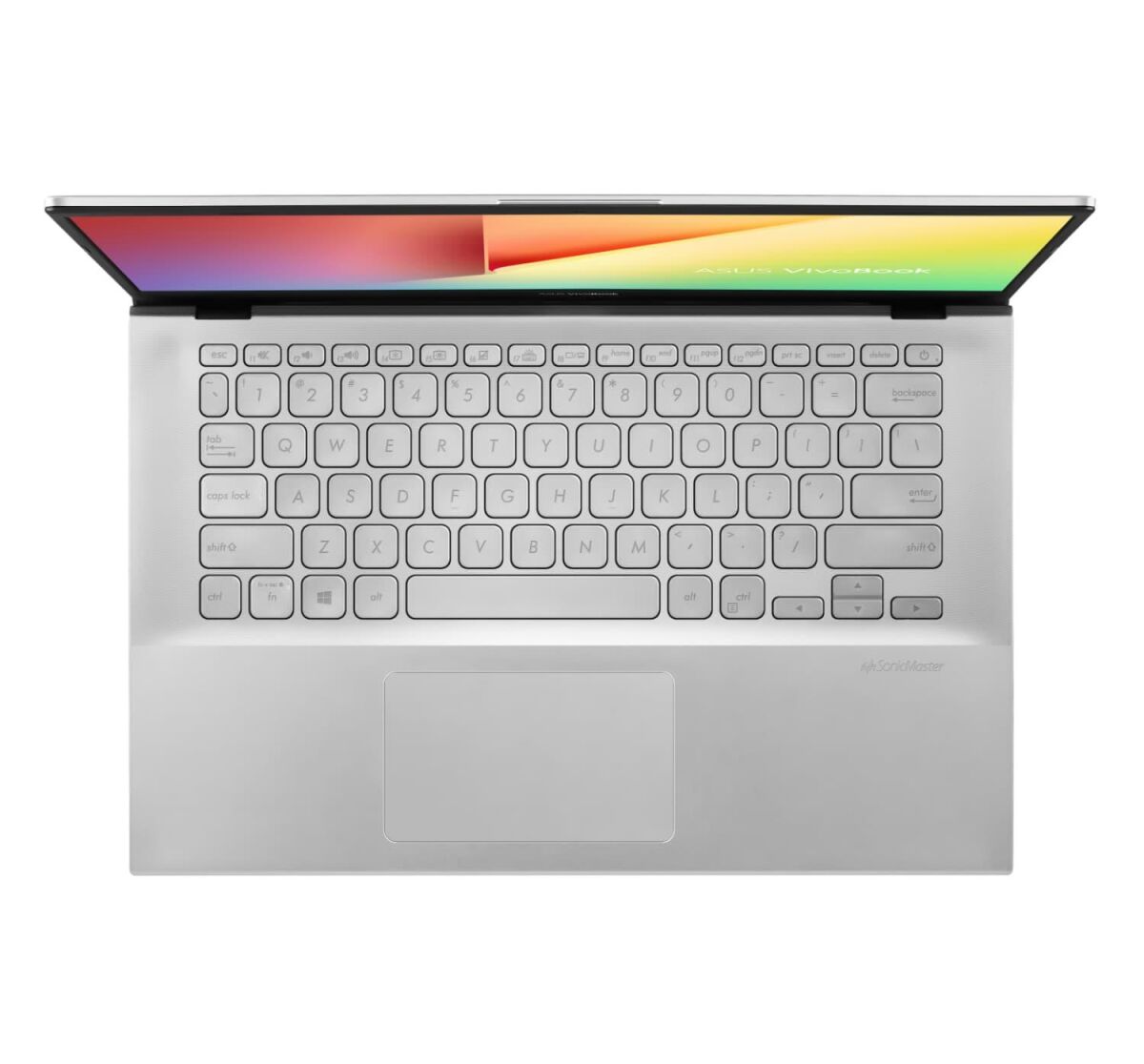
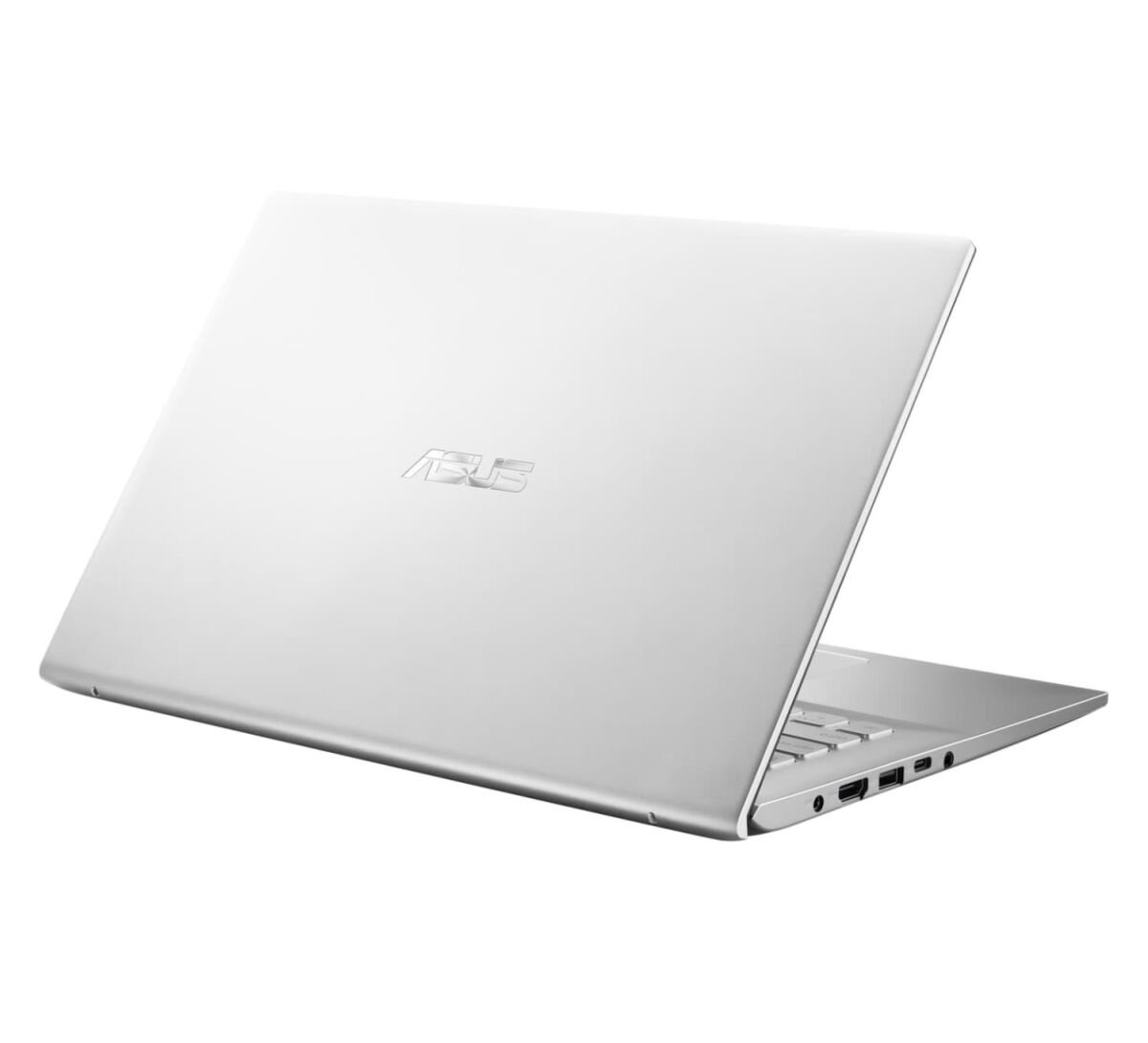
ASUS Vivobook 14 Series S412FA-EB419T-BE RAM upgrade specifications indicate DDR4-SDRAM memory compatibility. The laptop features one SO-DIMM slot for expansion, with maximum RAM capacity of 12 GB. Memory operates at 2400 MHz frequency. The device combines on-board memory with SO-DIMM form factor slots. Compatible DDR4 memory modules enable upgrade possibilities for enhanced multitasking performance and application responsiveness.
Memory Upgrade Specifications
| Specification | Value |
|---|---|
| Memory slots | 1x SO-DIMM |
| Form factor | On-board + SO-DIMM |
| Memory type | DDR4-SDRAM |
| Frequency | 2400 MHz |
| Maximum RAM | 12 GB |
| Voltage | 1.2V |
| Number of pins | 260-pin |
| Interface | PC4 |
| PC Speed Rating | PC4-2400 (PC4-19200) |
| Bandwidth | 19.2 GB/s |
| Laptop Release date | 02 August 2019 |
Additional Notes
- The ASUS Vivobook S412FA-EB419T-BE contains soldered memory on the motherboard, making only 1 SO-DIMM slot accessible for upgrades.
- Maximum addressable memory reaches 12 GB total, indicating the soldered portion occupies either 4 GB or 8 GB, with the upgradeable slot capped at either 8 GB or 4 GB respectively.
- DDR4-2400 MHz operates below standard consumer baseline frequencies (2666 MHz minimum typical for DDR4), resulting in reduced memory bandwidth compared to modern configurations and potential performance constraints under multitasking loads.
- SO-DIMM form factor requires low-profile memory modules; standard UDIMM sticks are physically incompatible and cannot be force-fitted without chassis damage.
- Warranty coverage typically permits SO-DIMM replacement but prohibits removal or modification of soldered memory components; any attempted desoldering voids manufacturer support.
- The single upgrade slot presents no redundancy; a faulty SO-DIMM module leaves the system dependent entirely on the soldered portion for operational capacity.
- Memory latency penalties at 2400 MHz accumulate over sustained workloads, particularly affecting video editing, virtual machine execution, and concurrent browser session performance.
- DDR4-2400 modules have become commodity items due to market transition to DDR4-3200 and DDR5, increasing sourcing difficulty and potential cost premiums for correct specifications.