ASUS Vivobook S412FA-EB124T RAM upgrade specifications
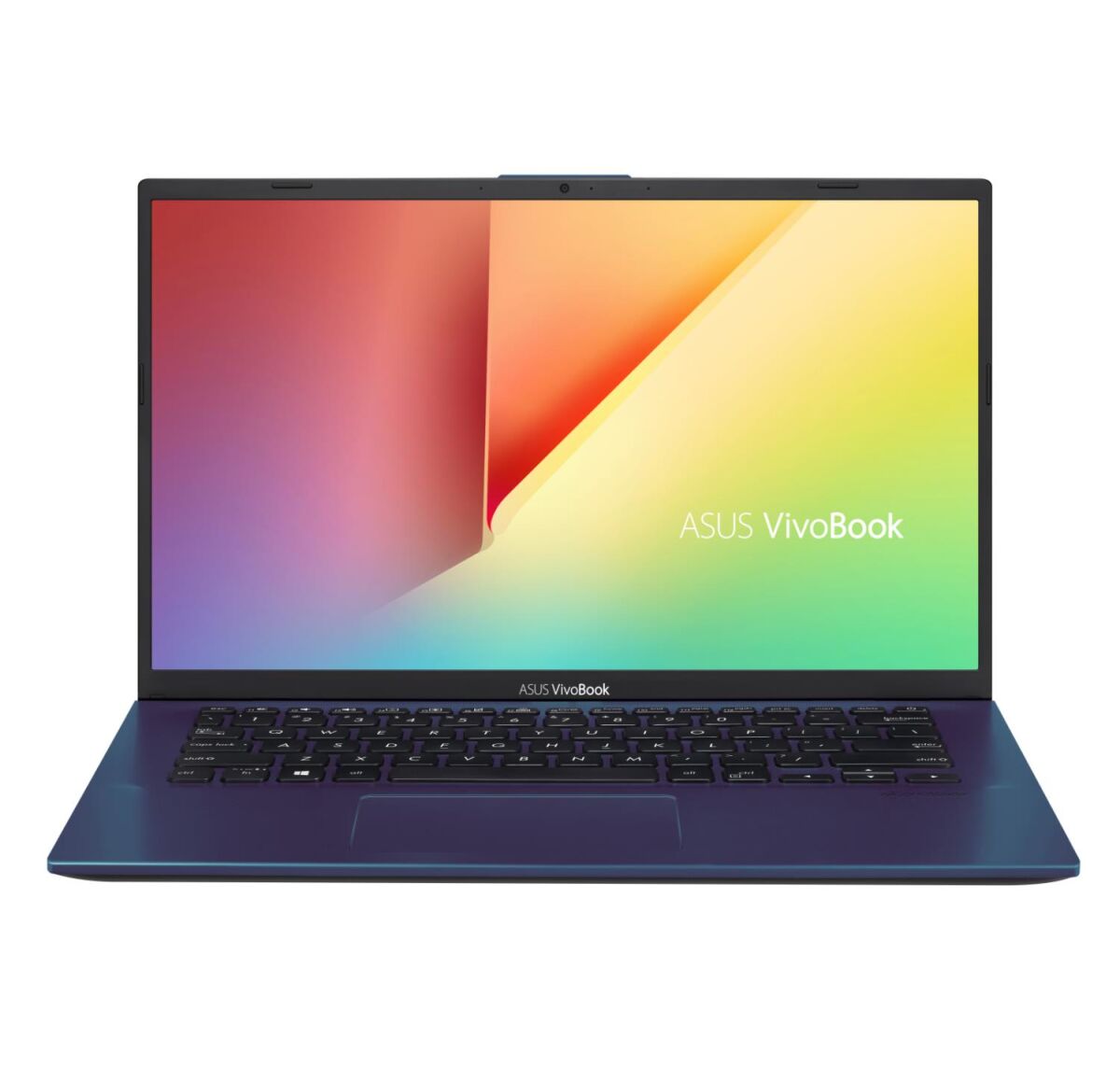

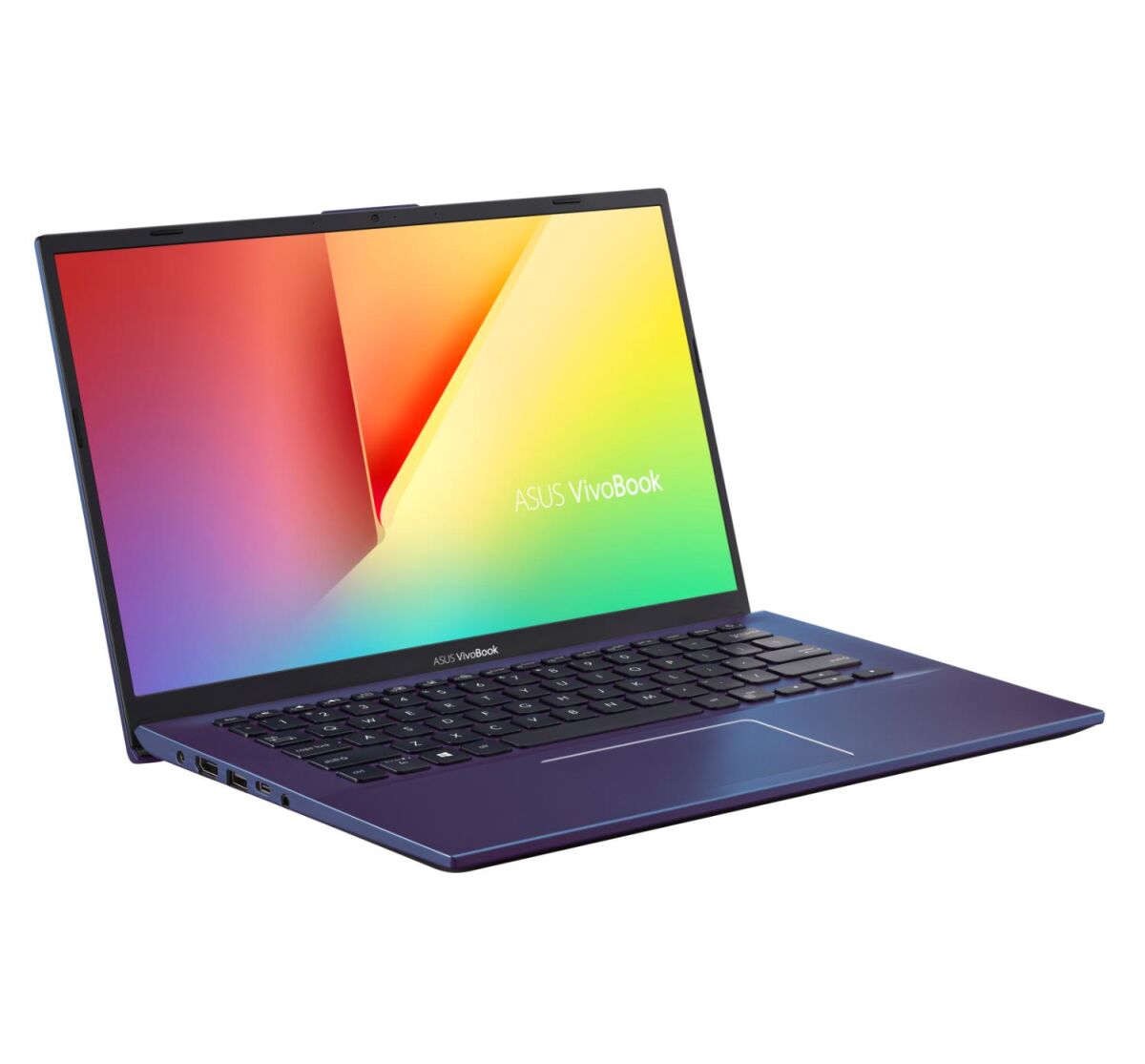
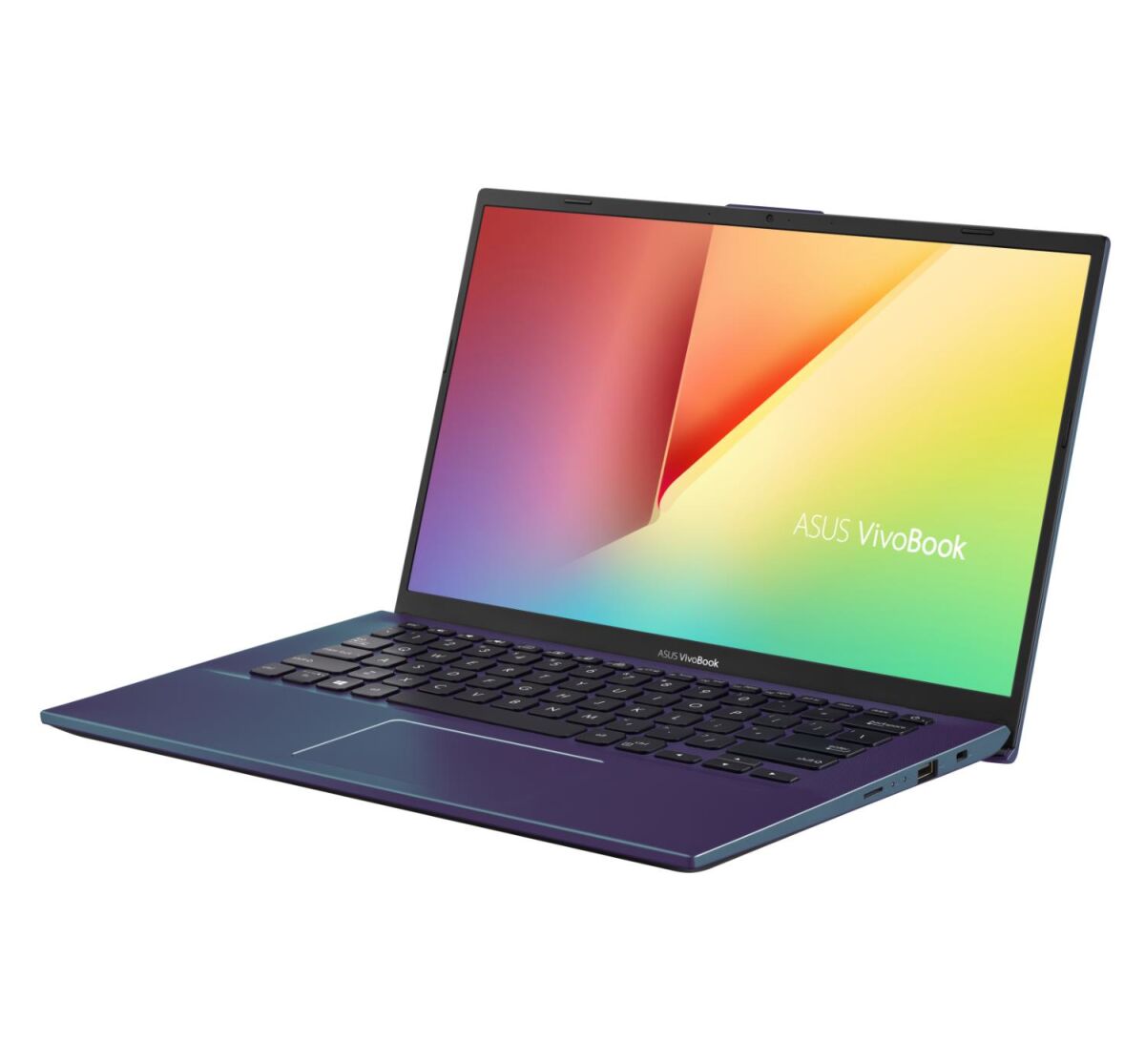
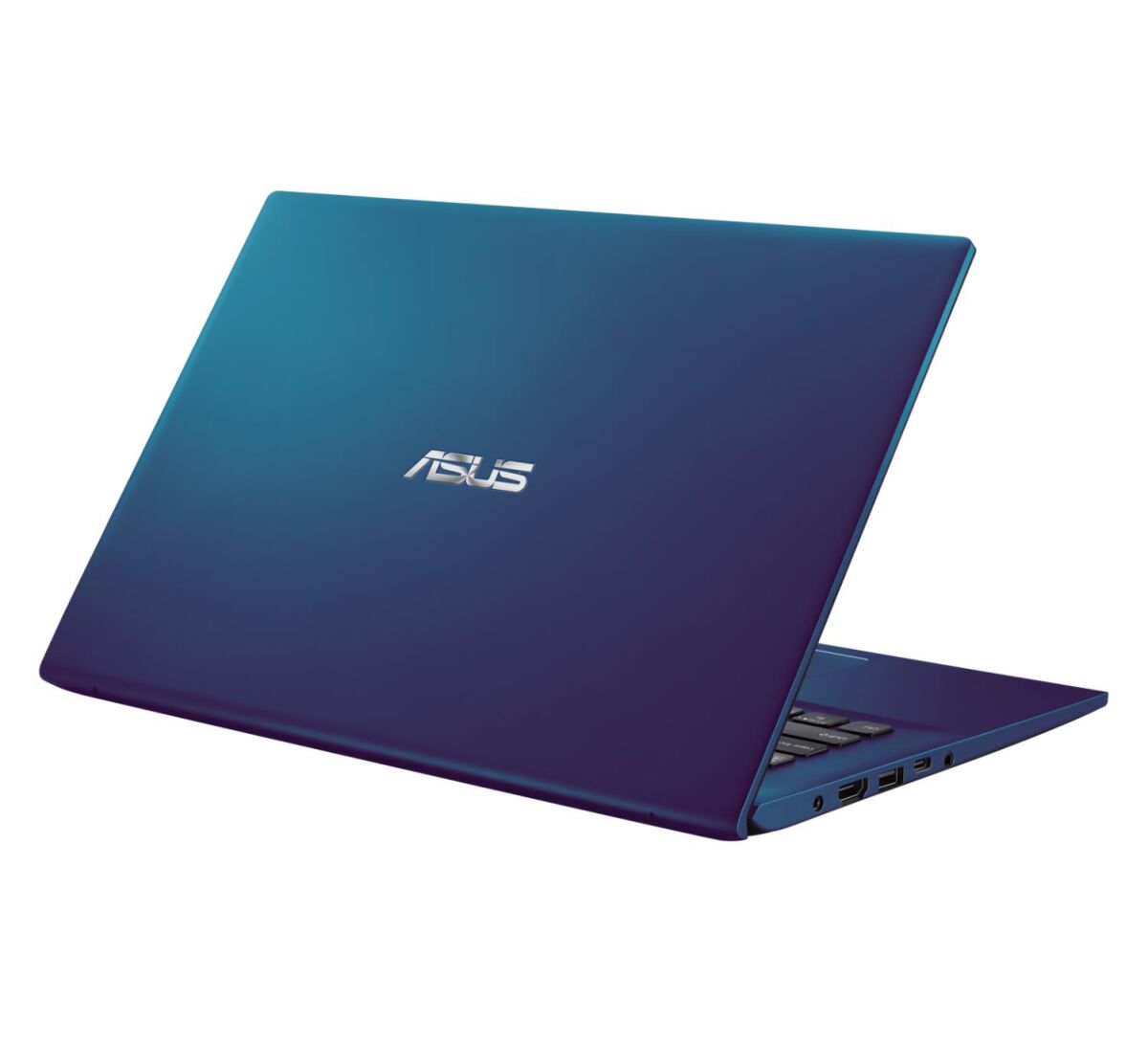
ASUS Vivobook 14 Series S412FA-EB124T RAM upgrade specifications indicate DDR4-SDRAM memory compatibility with maximum capacity of 12 GB. Laptop features 1x SO-DIMM slot for RAM upgrade alongside on-board memory configuration. Memory operates at 2400 MHz frequency. Compatible memory upgrades support DDR4-SDRAM specifications with SO-DIMM form factor. Maximum total memory capacity reaches 12 GB when compatible upgrade module installed in available slot.
Memory Upgrade Specifications
| Specification | Value |
|---|---|
| Memory slots | 1x SO-DIMM |
| Form factor | On-board + SO-DIMM |
| Memory type | DDR4-SDRAM |
| Frequency | 2400 MHz |
| Maximum RAM | 12 GB |
| Voltage | 1.2V |
| Number of pins | 260-pin |
| Interface | PC4 |
| PC Speed Rating | PC4-2400 (PC4-19200) |
| Bandwidth | 19.2 GB/s |
| Laptop Release date | 03 January 2020 |
Additional Notes
- The ASUS Vivobook S412FA-EB124T contains permanently soldered memory that cannot be removed or replaced without specialized board-level repair equipment.
- The 12 GB maximum capacity indicates 4 GB of non-upgradeable onboard memory paired with an 8 GB SO-DIMM module ceiling, as dual-channel architecture requires asymmetric configuration.
- Installing an 8 GB module alongside the soldered 4 GB creates flex mode operation, where only the first 8 GB runs in dual-channel while the remaining 4 GB operates in single-channel mode.
- The 2400 MHz frequency specification represents JEDEC standard DDR4-2400 timing, which will downclock any higher-frequency modules to maintain stability with the soldered memory.
- Single SO-DIMM slot access requires bottom panel removal, though the soldered memory position makes complete RAM failure a motherboard-level issue rather than a simple module replacement scenario.
- DDR4-2666 or DDR4-3200 modules will function but automatically reduce to 2400 MHz operation, offering no performance advantage over correctly-rated modules while potentially increasing cost.
- The mixed capacity configuration prevents true dual-channel operation across the full memory range, creating performance implications for applications that allocate beyond the matched 8 GB portion.
- Warranty preservation requires confirming that SO-DIMM replacement does not void coverage, as some manufacturers distinguish between user-accessible versus service-only upgrade procedures.
- The onboard memory component shares thermal conditions with the motherboard substrate, making cooling efficiency dependent on chassis airflow rather than module-specific heat spreader designs.
- Memory testing procedures must account for the permanently installed portion, as diagnostic tools cannot isolate failures between the soldered component and the removable SO-DIMM without module substitution.