ASUS Vivobook F512FA-AB34 RAM upgrade specifications


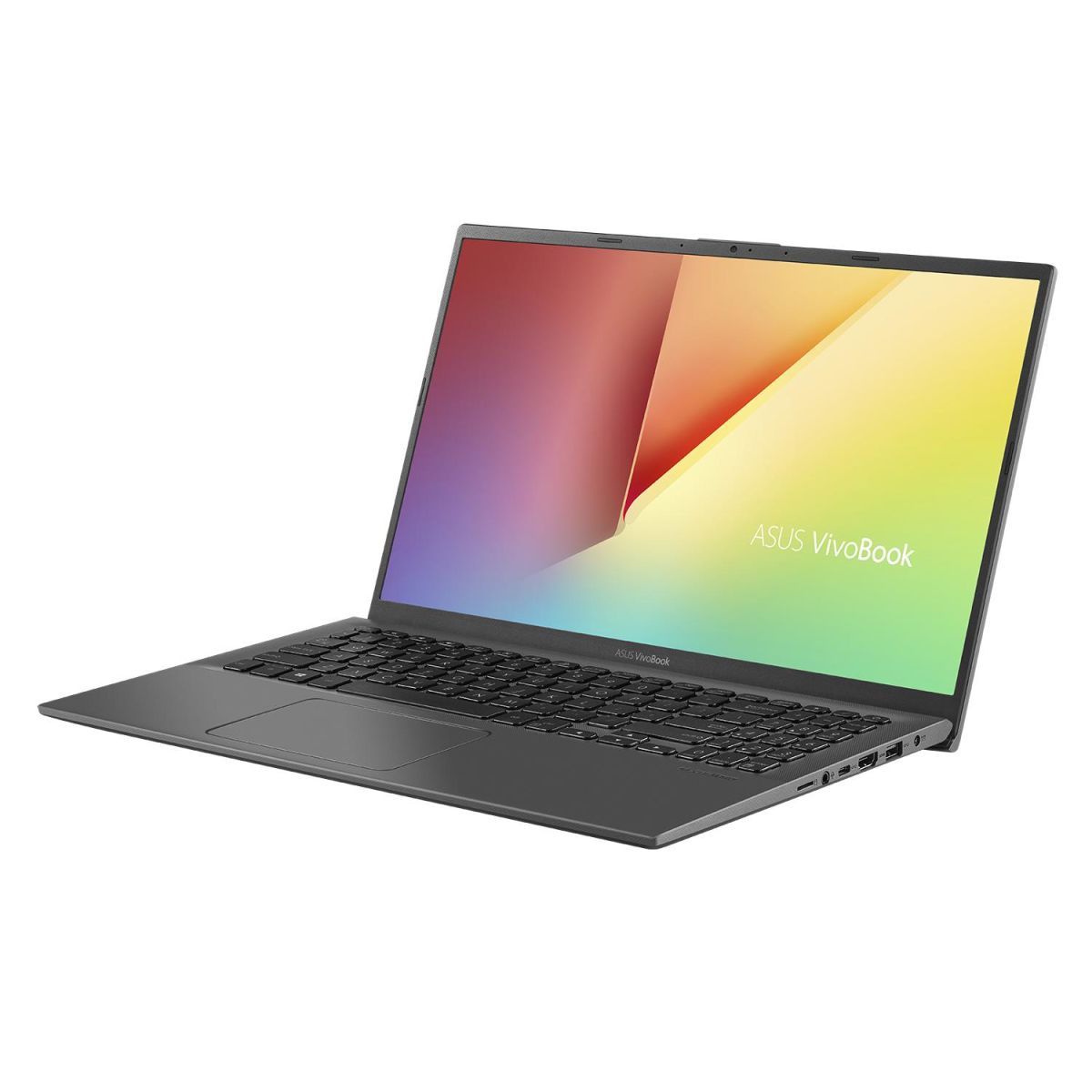
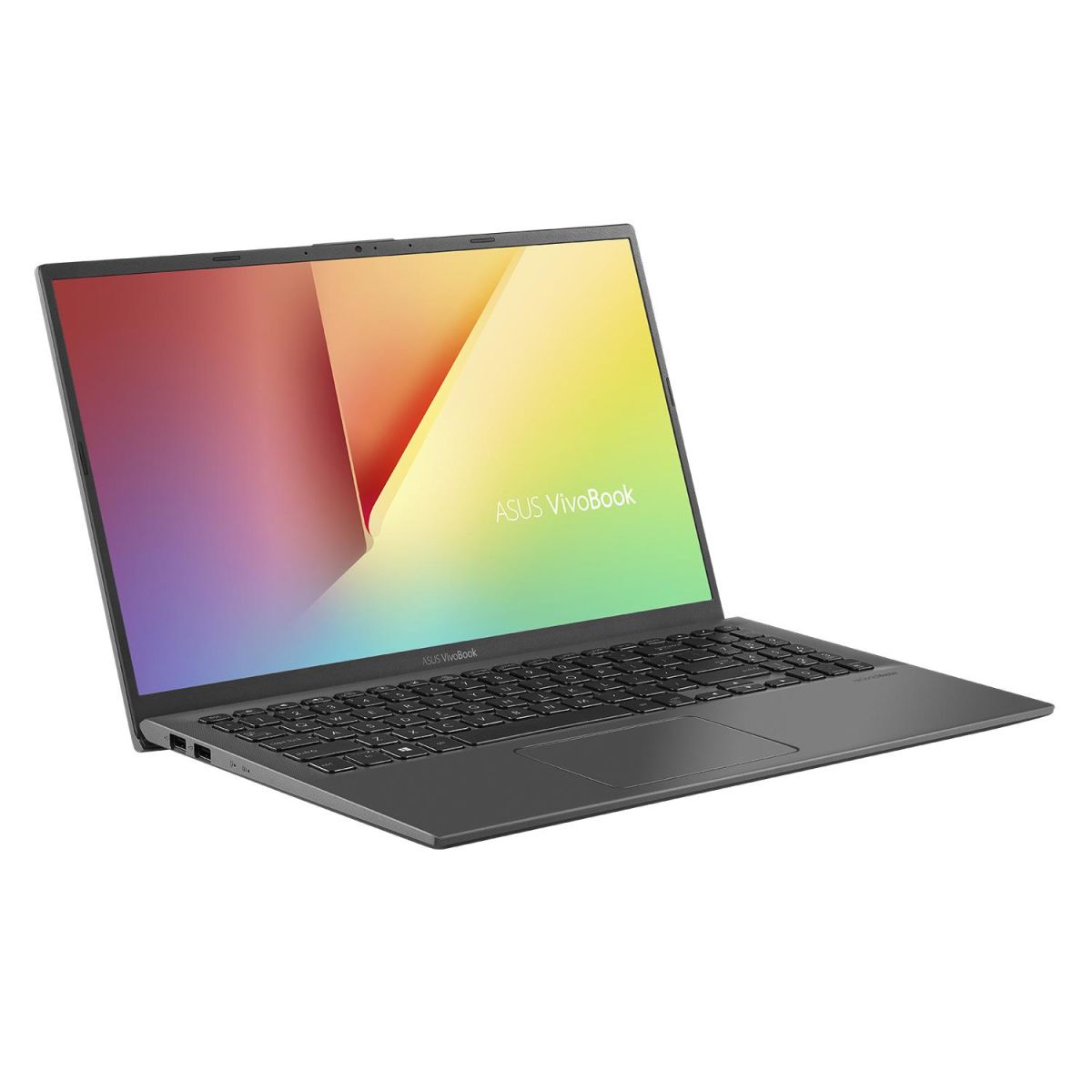

The ASUS Vivobook 15 Series F512FA-AB34 features DDR4-SDRAM memory specifications with upgrade capacity of one SO-DIMM slot. The laptop contains on-board memory combined with one expandable SO-DIMM slot for maximum RAM capacity of 12 GB. The memory operates at 2400 MHz frequency. Compatible upgrade modules must match DDR4-SDRAM specifications and SO-DIMM form factor to ensure proper functionality with this ASUS model.
Memory Upgrade Specifications
| Specification | Value |
|---|---|
| Memory slots | 1x SO-DIMM |
| Form factor | On-board + SO-DIMM |
| Memory type | DDR4-SDRAM |
| Frequency | 2400 MHz |
| Maximum RAM | 12 GB |
| Voltage | 1.2V |
| Number of pins | 260-pin |
| Interface | PC4 |
| PC Speed Rating | PC4-2400 (PC4-19200) |
| Bandwidth | 19.2 GB/s |
| Laptop Release date | 27 May 2019 |
Additional Notes
- The ASUS Vivobook F512FA-AB34 contains 4 GB of soldered RAM on the motherboard, which cannot be removed or replaced without specialized equipment and risks voiding the manufacturer warranty.
- The single accessible SO-DIMM slot accepts a maximum 8 GB module, as the system architecture enforces a 12 GB total memory ceiling combining both soldered and slotted components.
- Installing a module with frequency ratings above 2400 MHz will result in automatic downclocking to match the system's supported speed, eliminating any performance advantage from higher-rated modules.
- The non-removable 4 GB soldered memory creates an asymmetric dual-channel configuration when paired with an 8 GB module, where only 8 GB total operates in dual-channel mode while the remaining 4 GB functions in slower single-channel mode.
- The SO-DIMM slot requires DDR4 modules with 260-pin configuration, as standard 288-pin desktop DIMM modules are physically incompatible with the laptop form factor.
- Systems utilizing partial soldered memory configurations typically limit upgrade flexibility compared to dual-slot implementations, as future capacity expansion beyond 12 GB requires motherboard replacement.
- The memory controller operates both onboard and slotted components at identical voltage specifications, typically 1.2V for standard DDR4, preventing the use of low-voltage DDR4L modules that may cause stability issues.
- Memory bandwidth scales asymmetrically in this configuration, with applications accessing the first 8 GB benefiting from dual-channel throughput while data residing in the upper 4 GB experiences single-channel latency penalties.