ASUS Vivobook S512UA-EJ352T RAM upgrade specifications
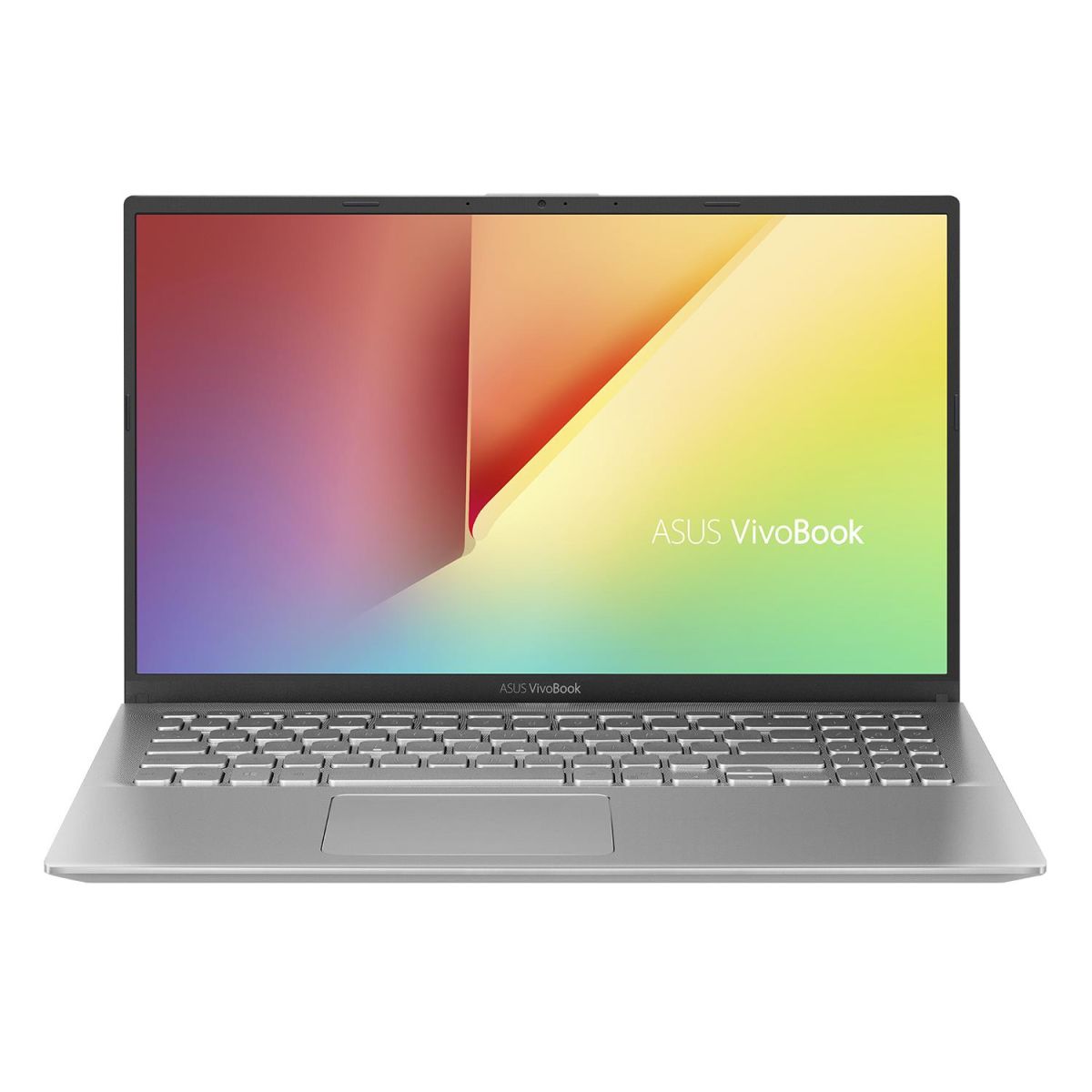

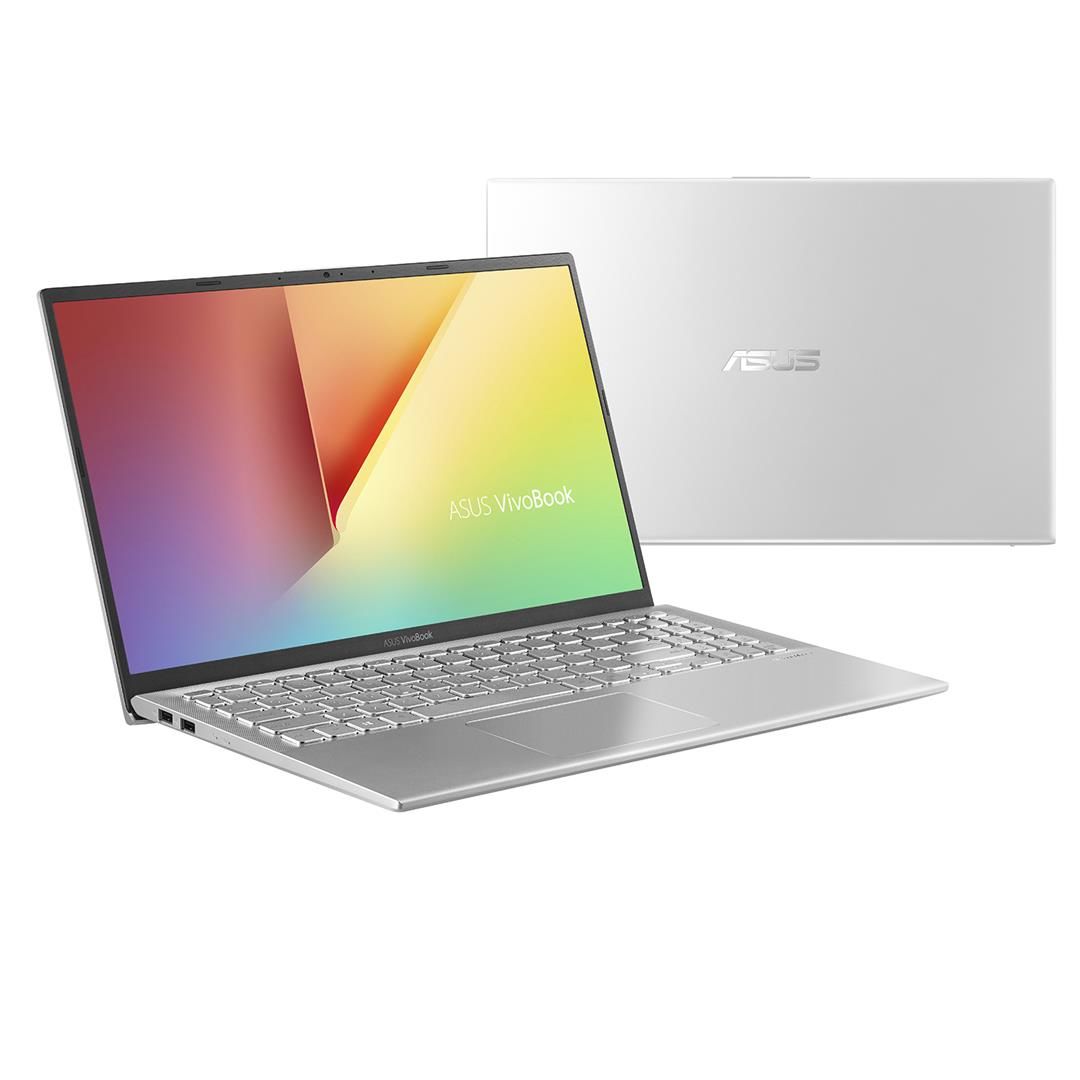


ASUS Vivobook 15 Series S512UA-EJ352T laptop memory upgrade specifications indicate DDR4-SDRAM compatibility with maximum RAM capacity of 12 GB. Upgrade configuration features 1x SO-DIMM slot for memory expansion, operating at 2400 MHz frequency. Memory architecture combines on-board integrated memory with accessible SO-DIMM slot for compatible RAM upgrade installation.
Memory Upgrade Specifications
| Specification | Value |
|---|---|
| Memory slots | 1x SO-DIMM |
| Form factor | On-board + SO-DIMM |
| Memory type | DDR4-SDRAM |
| Frequency | 2400 MHz |
| Maximum RAM | 12 GB |
| Voltage | 1.2V |
| Number of pins | 260-pin |
| Interface | PC4 |
| PC Speed Rating | PC4-2400 (PC4-19200) |
| Bandwidth | 19.2 GB/s |
| Laptop Release date | 21 November 2019 |
Additional Notes
- The ASUS VivoBook S512UA-EJ352T features a hybrid memory architecture with soldered RAM on the motherboard alongside a single accessible slot, preventing complete memory replacement.
- The 12 GB maximum capacity constraint indicates 4 GB of non-removable soldered memory, leaving only 8 GB as the highest compatible module for the SO-DIMM slot.
- Dual-channel operation requires matching the pre-installed 4 GB capacity, meaning an 8 GB module would run 4 GB in dual-channel mode while the remaining 4 GB operates in slower single-channel mode.
- Installing a 4 GB SO-DIMM module enables full dual-channel bandwidth across all 8 GB, while an 8 GB module creates asymmetric memory flex mode with reduced performance for half the installed capacity.
- The 2400 MHz frequency specification limits module compatibility to DDR4-2400 or higher rated modules, as faster modules will downclock to match the system's supported speed.
- SO-DIMM modules exceeding 8 GB capacity will either fail POST initialization or be recognized only up to the 12 GB system ceiling, wasting the additional memory.
- The single-slot configuration eliminates the possibility of incremental upgrades beyond the initial module installation without replacing the existing SO-DIMM entirely.
- Memory access latency remains dependent on the soldered component's specifications, as the system cannot operate faster than the slowest memory module in asymmetric configurations.
- Physical access to the SO-DIMM slot requires bottom panel removal, which may involve breaking warranty seals depending on regional ASUS warranty policies.
- The onboard memory component cannot be upgraded or replaced without motherboard-level rework, making the initial factory configuration a permanent baseline.