ASUS Vivobook S513EA-BQ516T RAM upgrade specifications

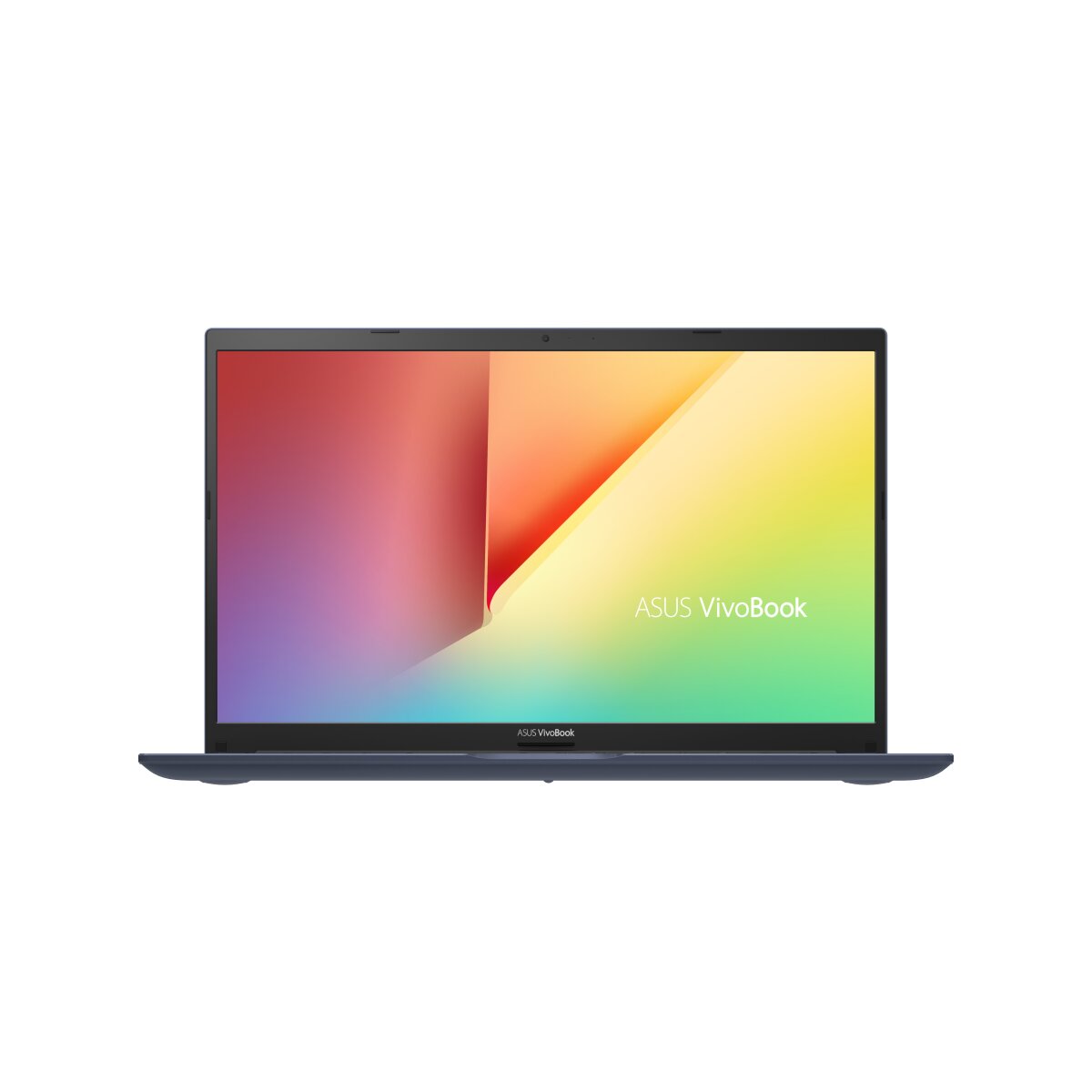

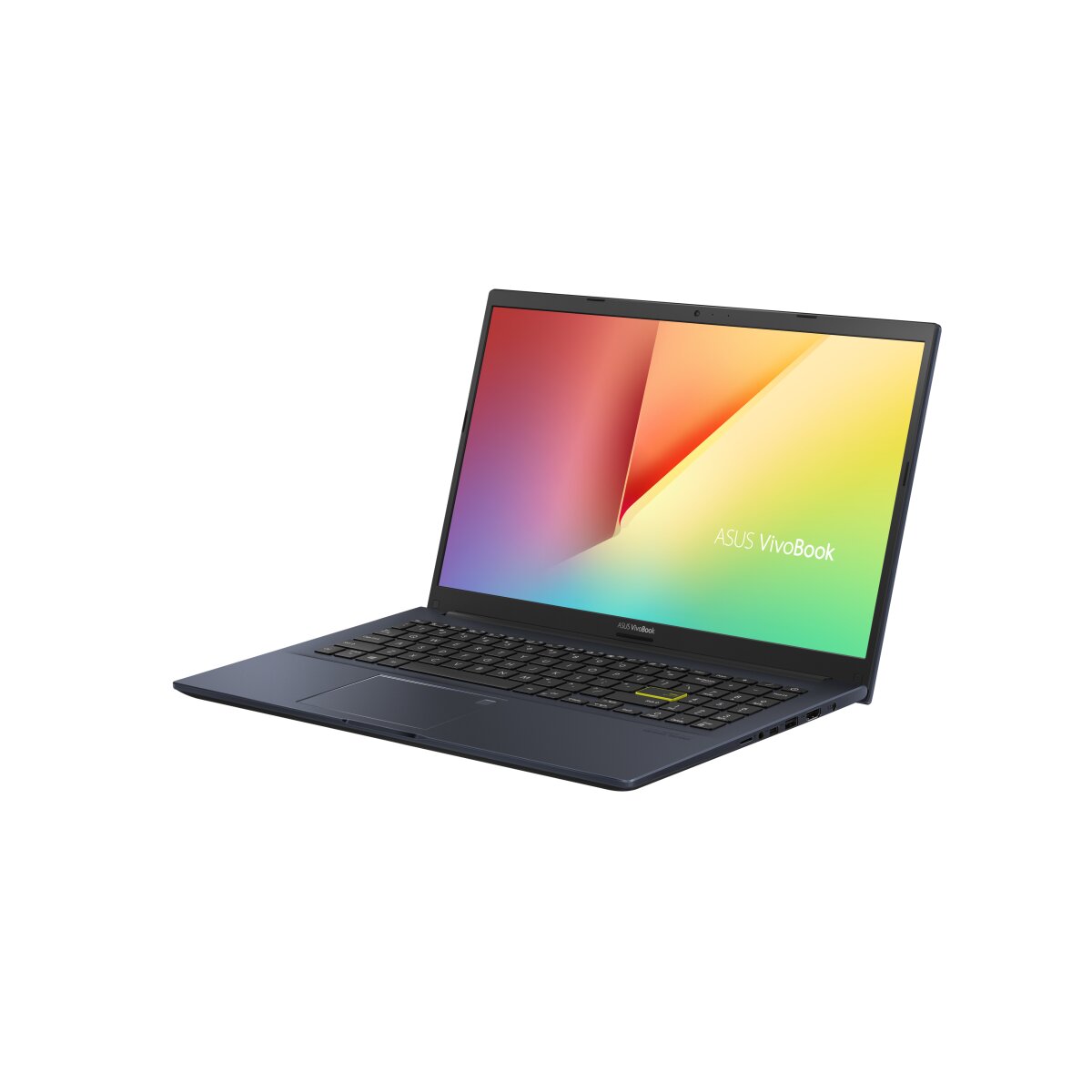
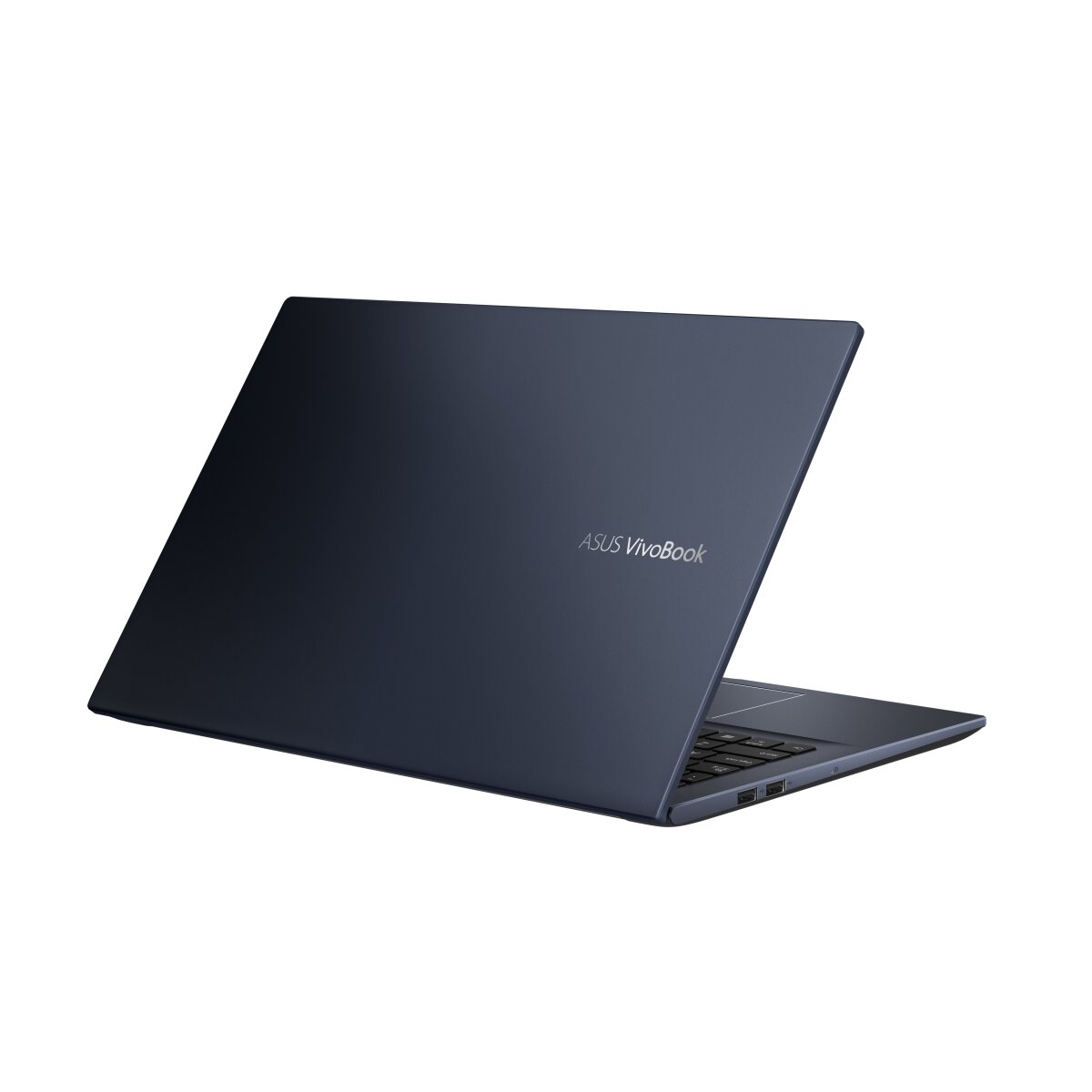
ASUS Vivobook 15 Series S513EA-BQ516T supports DDR4-SDRAM memory upgrade with maximum capacity of 16 GB. Upgrade slot configuration includes one SO-DIMM slot for RAM expansion. Compatible memory operates at 2400 MHz frequency. The laptop features hybrid memory design with on-board memory combined with one replaceable SO-DIMM slot. Maximum supported RAM capacity reaches 16 GB through the single SO-DIMM upgrade slot. Specifications indicate DDR4-SDRAM memory type requirements for RAM upgrade compatibility.
Memory Upgrade Specifications
| Specification | Value |
|---|---|
| Memory slots | 1x SO-DIMM |
| Form factor | On-board + SO-DIMM |
| Memory type | DDR4-SDRAM |
| Frequency | 2400 MHz |
| Maximum RAM | 16 GB |
| Voltage | 1.2V |
| Number of pins | 260-pin |
| Interface | PC4 |
| PC Speed Rating | PC4-2400 (PC4-19200) |
| Bandwidth | 19.2 GB/s |
| Laptop Release date | 30 October 2021 |
Additional Notes
- The ASUS Vivobook S513EA-BQ516T employs a hybrid memory architecture where part of the system RAM is soldered directly to the motherboard, reducing the total upgrade capacity compared to systems with two accessible slots.
- The single SO-DIMM socket limits expansion flexibility since only one aftermarket module can be installed, and the final configuration depends entirely on the pre-soldered memory capacity already present in the system.
- Mixing on-board soldered memory with a socketed module creates an asymmetric dual-channel configuration, which may result in only a portion of total RAM running in dual-channel mode while the remainder operates in slower single-channel mode.
- The 16 GB maximum capacity constraint stems from chipset limitations or BIOS restrictions, meaning that installing a module larger than the supported ceiling will either cause boot failure or force the system to recognize only the maximum supported amount.
- The 2400 MHz frequency specification represents the baseline speed, and installing faster modules such as 2666 MHz or 3200 MHz will result in automatic downclocking to match the system's supported frequency regardless of the module's rated capability.
- Physical installation requires verifying whether existing soldered memory operates at the same 2400 MHz speed, as frequency mismatches between on-board and socketed modules force both to run at the lower speed to maintain stability.
- The SO-DIMM form factor requires a 260-pin module with the correct notch position for DDR4 technology, as physically incompatible modules such as DDR3L SO-DIMMs will not fit despite similar dimensions.
- Warranty preservation typically requires using manufacturer-approved modules or ensuring that the upgrade process does not involve breaking seal stickers or accessing components beyond the designated memory compartment door.
- Total system performance gains from adding RAM depend on whether current workloads already exceed the pre-installed capacity, since upgrading from 8 GB to 16 GB provides no benefit for tasks that consistently use less than 8 GB.
- The hybrid memory design prevents a complete RAM replacement strategy, meaning users cannot remove all existing memory and start fresh with matched modules as possible in traditional dual-slot configurations.