ASUS Vivobook X505ZA-BQ056T RAM upgrade specifications

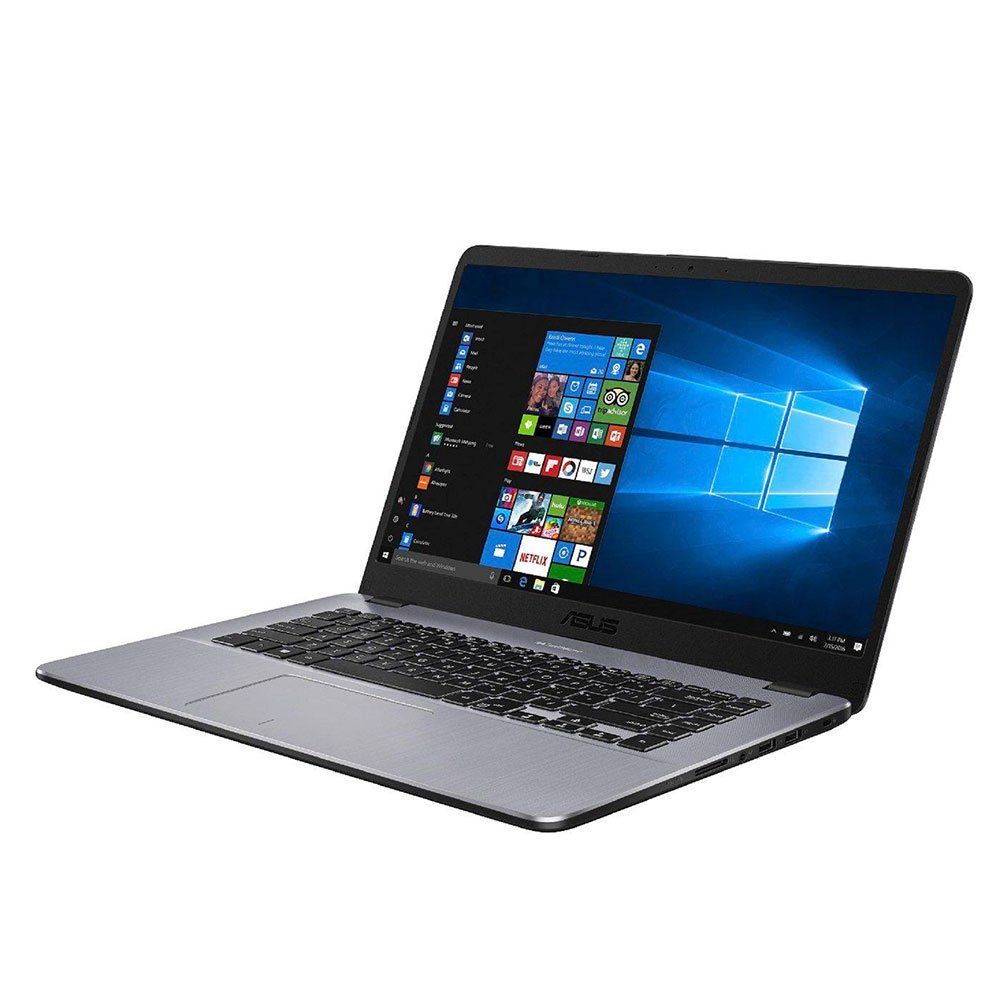
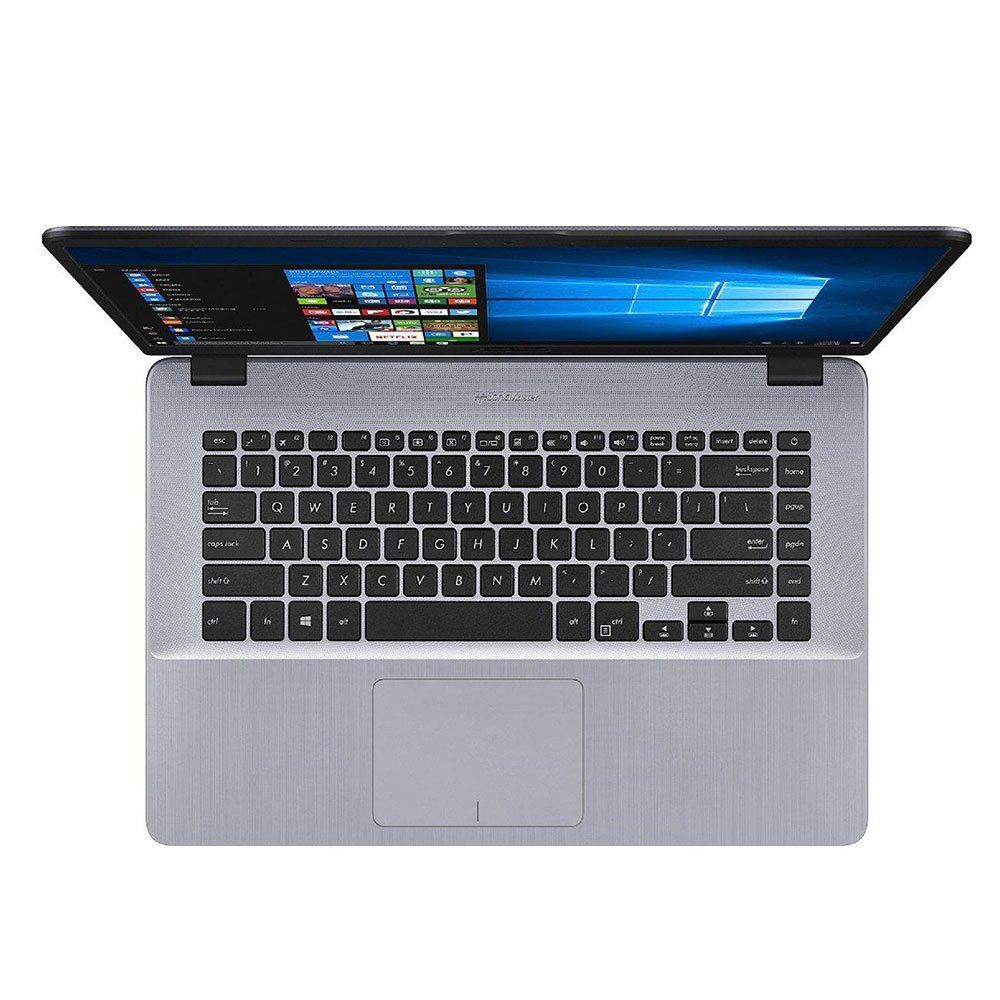


The ASUS Vivobook 15 Series X505ZA-BQ056T supports DDR4-SDRAM memory upgrades with a maximum capacity of 16 GB. The laptop features one SO-DIMM slot compatible with DDR4 modules operating at 2400 MHz frequency. The memory configuration consists of on-board memory plus one SO-DIMM expansion slot, allowing users to upgrade the existing RAM specifications to reach the maximum supported capacity of 16 GB total.
Memory Upgrade Specifications
| Specification | Value |
|---|---|
| Memory slots | 1x SO-DIMM |
| Form factor | On-board + SO-DIMM |
| Memory type | DDR4-SDRAM |
| Frequency | 2400 MHz |
| Maximum RAM | 16 GB |
| Voltage | 1.2V |
| Number of pins | 260-pin |
| Interface | PC4 |
| PC Speed Rating | PC4-2400 (PC4-19200) |
| Bandwidth | 19.2 GB/s |
| Laptop Release date | 12 September 2018 |
Additional Notes
- The presence of a single SO-DIMM slot combined with on-board memory indicates that the ASUS Vivobook X505ZA-BQ056T operates in an asymmetrical dual-channel configuration when the expansion slot is populated.
- Total memory capacity is limited by the fixed on-board module, meaning the user must subtract the soldered capacity from the 16 maximum to determine the largest compatible individual stick for the expansion slot.
- Installing a module with a frequency higher than 2400 will result in an automatic downclock to match the system bus and soldered memory timing constraints.
- Physical access to the RAM slot requires the removal of the entire base panel, which may necessitate specialized plastic pry tools to avoid damaging the chassis clips.
- Memory bandwidth performance is determined by the slowest of the two memory components, ensuring that even high-performance aftermarket modules will be throttled to the on-board specifications.
- System stability depends on matching the voltage requirements of the existing soldered DDR4 to prevent boot failures or intermittent crashes during high-load tasks.
- Single-slot expansion limits future scalability, as increasing capacity beyond the initial upgrade requires replacing the existing SO-DIMM rather than adding a second one.