ASUS Vivobook X512FA-BQ334 RAM upgrade specifications

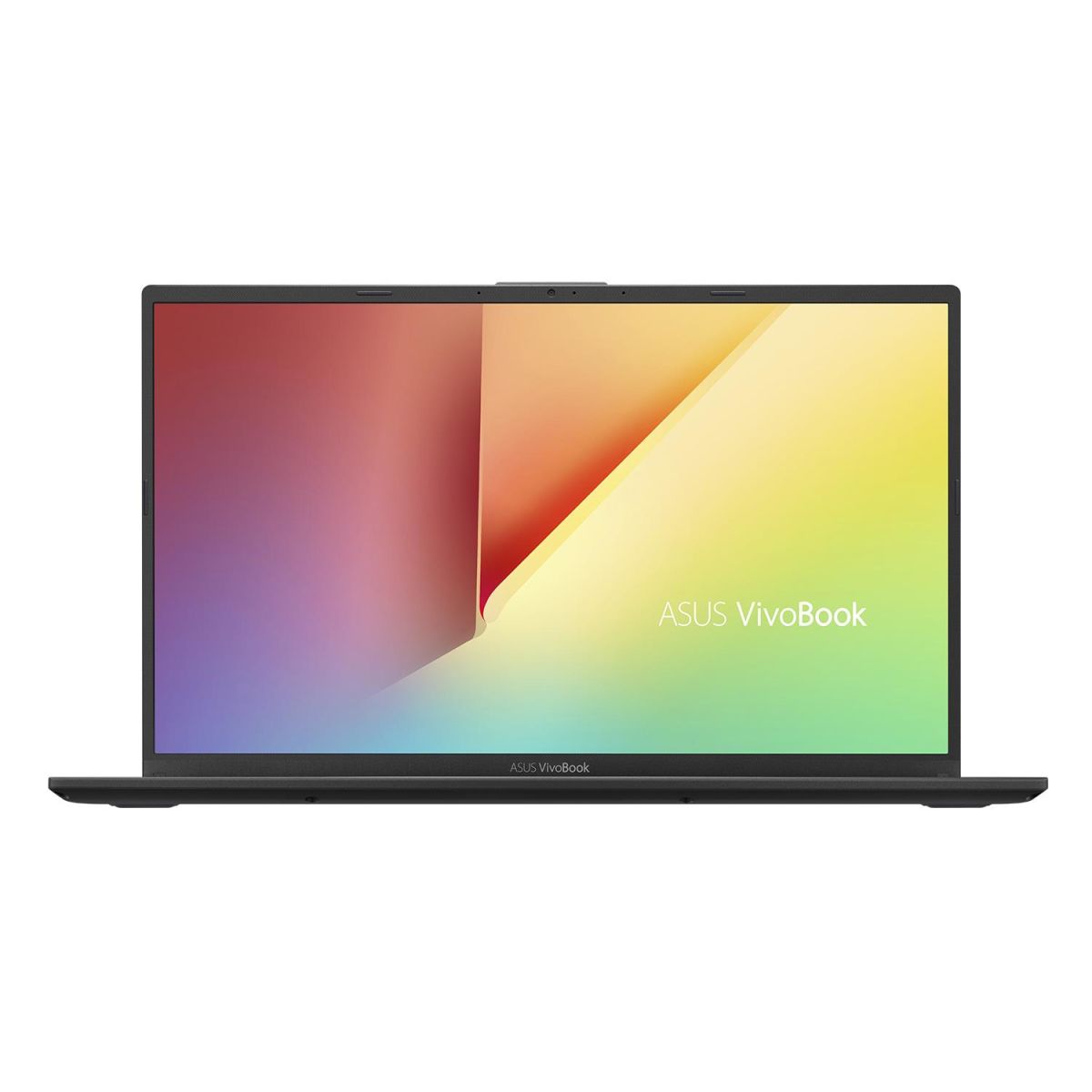



The ASUS Vivobook 15 Series X512FA-BQ334 features DDR4-SDRAM memory with upgrade capabilities through one SO-DIMM slot. The laptop contains on-board memory combined with one expandable SO-DIMM slot, supporting a maximum RAM capacity of 12 GB. Compatible memory modules operate at 2400 MHz frequency. Upgrade specifications indicate DDR4 memory type compatibility for expanding the system's total memory capacity through the available SO-DIMM slot configuration.
Memory Upgrade Specifications
| Specification | Value |
|---|---|
| Memory slots | 1x SO-DIMM |
| Form factor | On-board + SO-DIMM |
| Memory type | DDR4-SDRAM |
| Frequency | 2400 MHz |
| Maximum RAM | 12 GB |
| Voltage | 1.2V |
| Number of pins | 260-pin |
| Interface | PC4 |
| PC Speed Rating | PC4-2400 (PC4-19200) |
| Bandwidth | 19.2 GB/s |
| Laptop Release date | 04 August 2019 |
Additional Notes
- The presence of on board memory indicates that a portion of the system RAM is permanently soldered to the motherboard and cannot be replaced or upgraded.
- The ASUS Vivobook X512FA-BQ334 utilizes a single expansion slot which forces a single channel hardware configuration for any capacity added beyond the base soldered memory.
- System memory performance is limited by the slowest component so installing a module with a frequency higher than 2400 MHz results in automatic downclocking to match the soldered chips.
- The 12 GB maximum threshold implies the internal logic supports a maximum of one 8 GB module in the SO-DIMM slot alongside 4 GB of integrated memory.
- Physical installation requires total system power isolation to prevent short circuiting the delicate non removable memory traces during a hardware swap.
- Asymmetrical memory capacities between the soldered bank and the expansion slot will prevent the processor from maintaining full dual channel bandwidth across the entire addressable range.
- Latency timings are preset by the fixed on board module meaning the BIOS will override any high performance XMP profiles on the secondary stick to ensure stability.