ASUS Vivobook X512FA-BQ731T RAM upgrade specifications

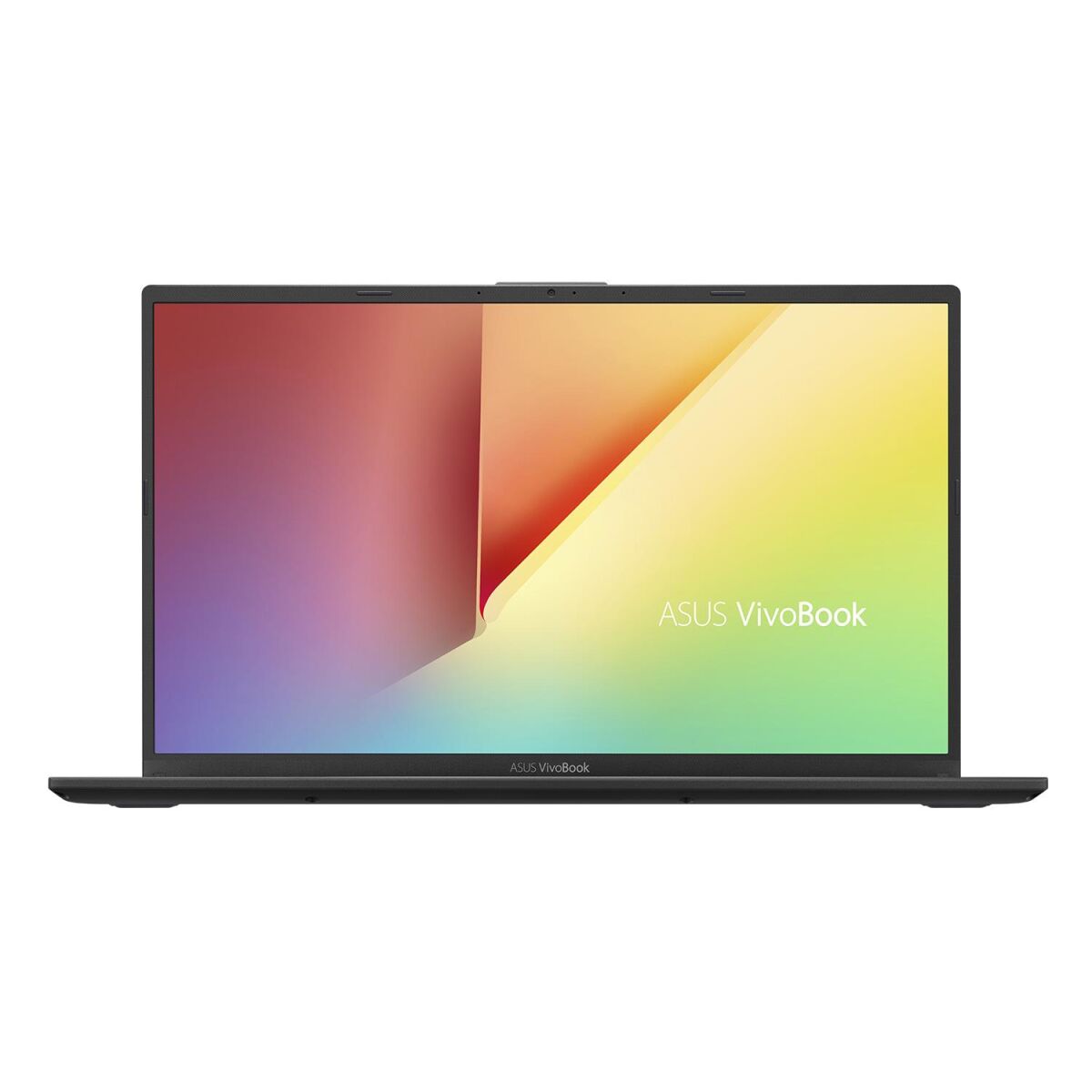



ASUS Vivobook 15 Series X512FA-BQ731T laptop supports DDR4-SDRAM memory upgrade through one SO-DIMM slot. The system features on-board memory combined with a single upgradeable SO-DIMM slot. Maximum RAM capacity reaches 12 GB total. Compatible memory operates at 2400 MHz frequency. Upgrade specifications indicate a single memory slot available for expansion, allowing users to increase system RAM beyond the original on-board configuration to achieve the maximum supported capacity of 12 GB.
Memory Upgrade Specifications
| Specification | Value |
|---|---|
| Memory slots | 1x SO-DIMM |
| Form factor | On-board + SO-DIMM |
| Memory type | DDR4-SDRAM |
| Frequency | 2400 MHz |
| Maximum RAM | 12 GB |
| Voltage | 1.2V |
| Number of pins | 260-pin |
| Interface | PC4 |
| PC Speed Rating | PC4-2400 (PC4-19200) |
| Bandwidth | 19.2 GB/s |
| Laptop Release date | 01 August 2019 |
Additional Notes
- The ASUS Vivobook X512FA-BQ731T features 4 GB of soldered memory, which cannot be removed or replaced, creating a permanent baseline that determines total system capacity regardless of upgrades.
- The single SO-DIMM slot accepts only 8 GB modules to reach the 12 GB maximum, as higher capacity modules would exceed the platform's addressable memory limit.
- Dual-channel operation requires the SO-DIMM module to match the soldered memory's 2400 MHz specification, otherwise the system will downclock the faster module or operate in single-channel mode.
- Installing a module with different voltage specifications than the onboard memory may cause boot failures or force the system to reject the upgrade entirely.
- The memory controller supports only DDR4 SDRAM without backward compatibility for DDR3 or forward compatibility for DDR5 modules.
- Single-rank modules typically offer better compatibility with the soldered memory configuration than dual-rank alternatives in asymmetric configurations.
- The maximum 12 GB capacity limits concurrent operation of memory-intensive applications and may require page file usage during heavy multitasking workloads.
- Module height restrictions typical of ultra-thin laptop chassis may exclude certain aftermarket modules with taller heat spreaders or non-standard PCB designs.
- Thermal constraints in compact laptop designs can cause memory throttling if modules with higher TDP specifications than factory components are installed.
- The 2400 MHz frequency cap means faster rated modules (2666 MHz, 3200 MHz) will be underutilized and offer no performance advantage over properly specified alternatives.
- Accessing the SO-DIMM slot requires disassembly of the bottom panel, which may void warranty coverage if service seals are broken by non-authorized personnel.
- CAS latency timings must be compatible with the existing memory subsystem to prevent instability, even when frequency specifications match exactly.