ASUS Vivobook X512UA-EJ239T RAM upgrade specifications


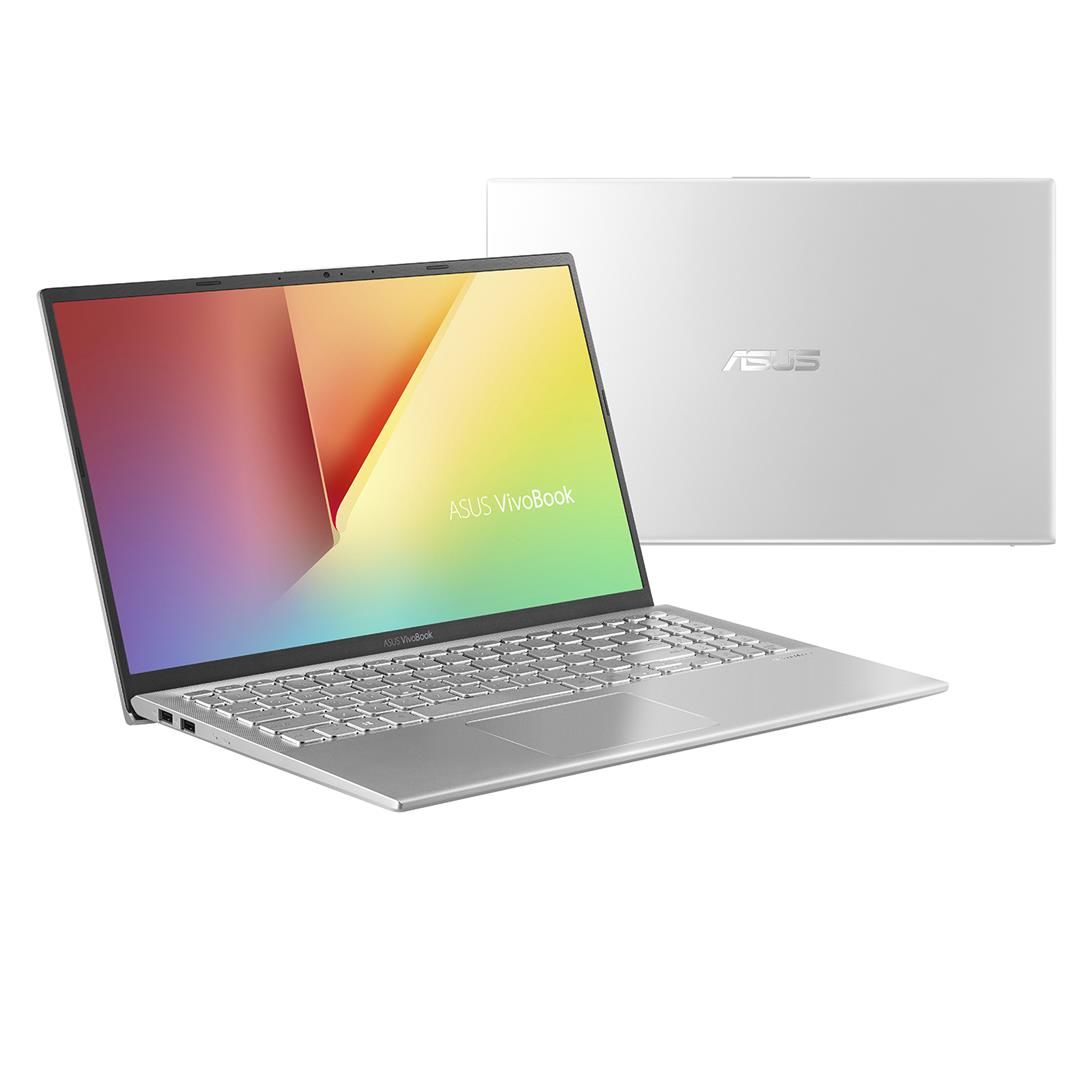


The ASUS Vivobook 15 X512UA-EJ239T contains DDR4-SDRAM memory with one SO-DIMM slot available for upgrade. The laptop features onboard memory combined with a single SO-DIMM slot, supporting maximum RAM capacity of 12 GB. Compatible memory modules operate at 2400 MHz frequency. Upgrade specifications allow installation of additional DDR4-SDRAM modules in the available SO-DIMM slot to expand total memory capacity up to the maximum supported threshold for enhanced system performance.
Memory Upgrade Specifications
| Specification | Value |
|---|---|
| Memory slots | 1x SO-DIMM |
| Form factor | On-board + SO-DIMM |
| Memory type | DDR4-SDRAM |
| Frequency | 2400 MHz |
| Maximum RAM | 12 GB |
| Voltage | 1.2V |
| Number of pins | 260-pin |
| Interface | PC4 |
| PC Speed Rating | PC4-2400 (PC4-19200) |
| Bandwidth | 19.2 GB/s |
| Laptop Release date | 05 December 2019 |
Additional Notes
- The ASUS Vivobook X512UA-EJ239T contains soldered on-board memory paired with a single accessible SO-DIMM slot, meaning the base memory capacity cannot be removed or replaced, only supplemented through the available slot.
- Maximum addressable RAM of 12 GB indicates asymmetrical memory configuration where on-board capacity totals 8 GB, permitting only a 4 GB SO-DIMM module to reach the stated ceiling, not a symmetric dual-channel configuration.
- The single SO-DIMM slot creates an upgrade bottleneck that cannot be resolved through additional modules; a second memory module cannot be installed regardless of capacity, limiting future scaling beyond the 12 GB threshold.
- DDR4-2400 MHz operation runs below modern standard frequencies (3200 MHz typical for DDR4), resulting in sustained latency disadvantage compared to current-generation systems and marginal performance recovery from any memory upgrade within this platform.
- Warranty-safe upgrades require SO-DIMM modules rated for 2400 MHz or higher with DDR4 Low Voltage specifications, as incompatible voltage standards or timing profiles may trigger stability failures despite physical compatibility with the slot.
- The asymmetrical memory layout prevents dual-channel bandwidth utilization across all installed capacity, meaning data throughput gains from upgrading remain constrained by the fixed on-board segment operating in single-channel mode.