ASUS Vivobook X512UA-EJ245T RAM upgrade specifications
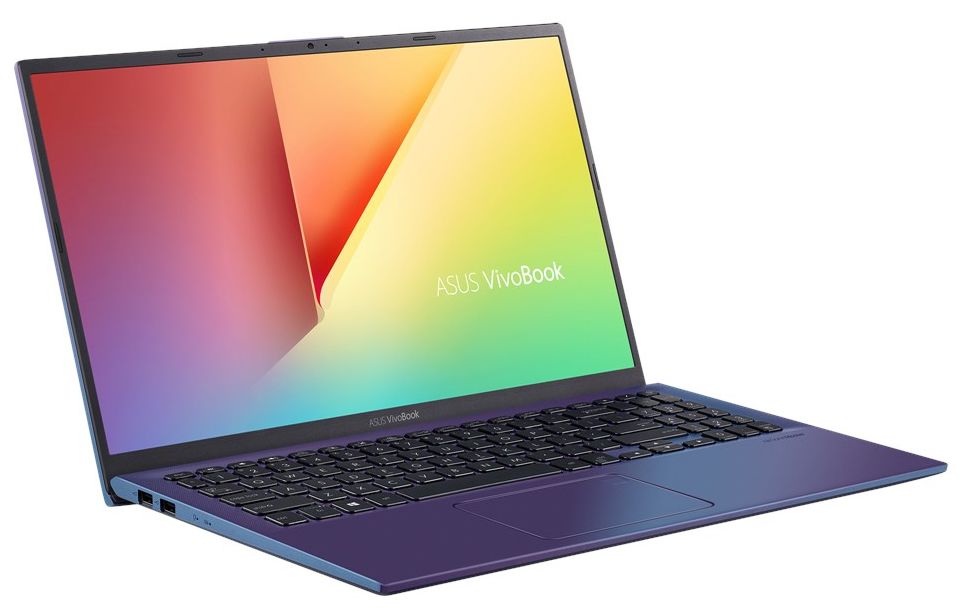
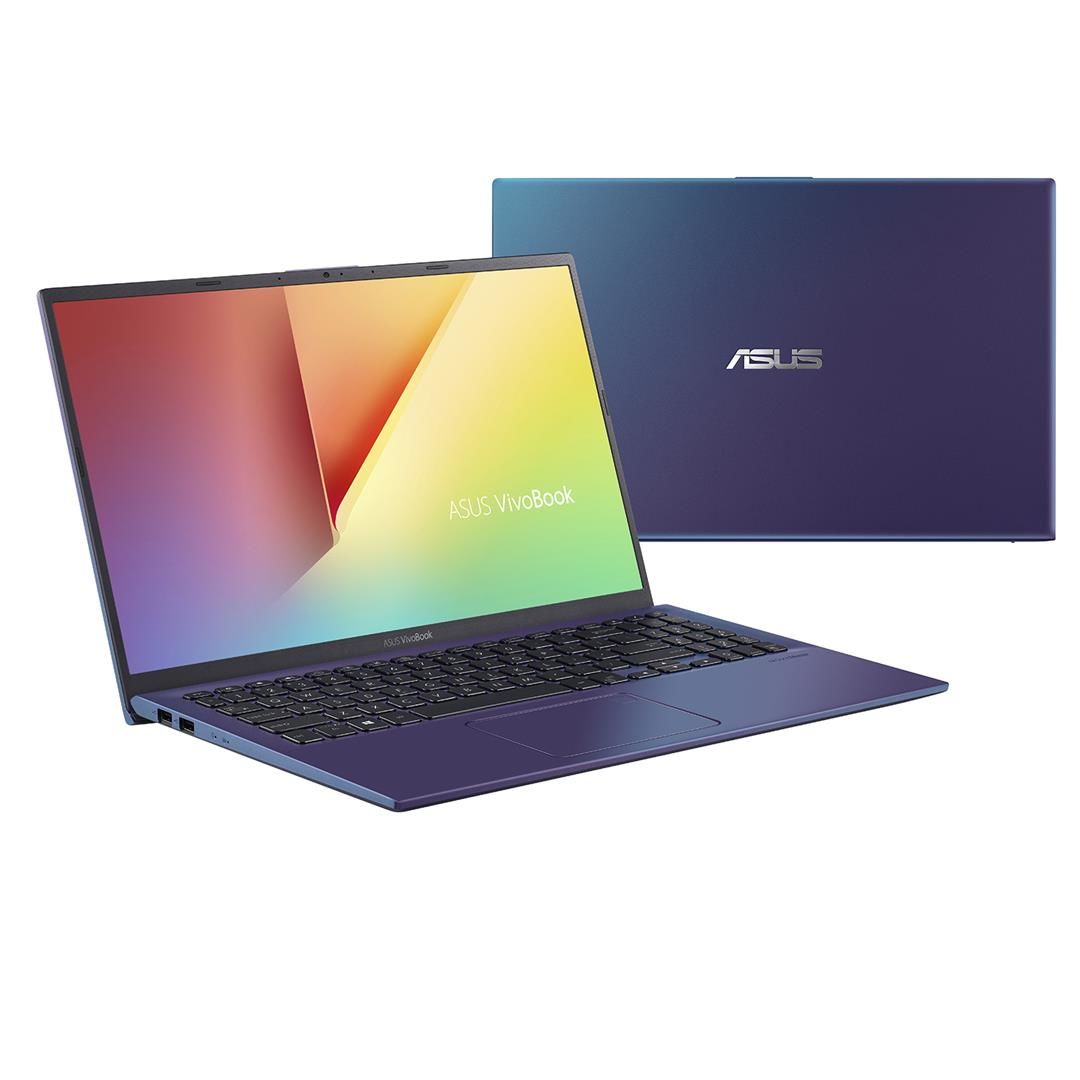

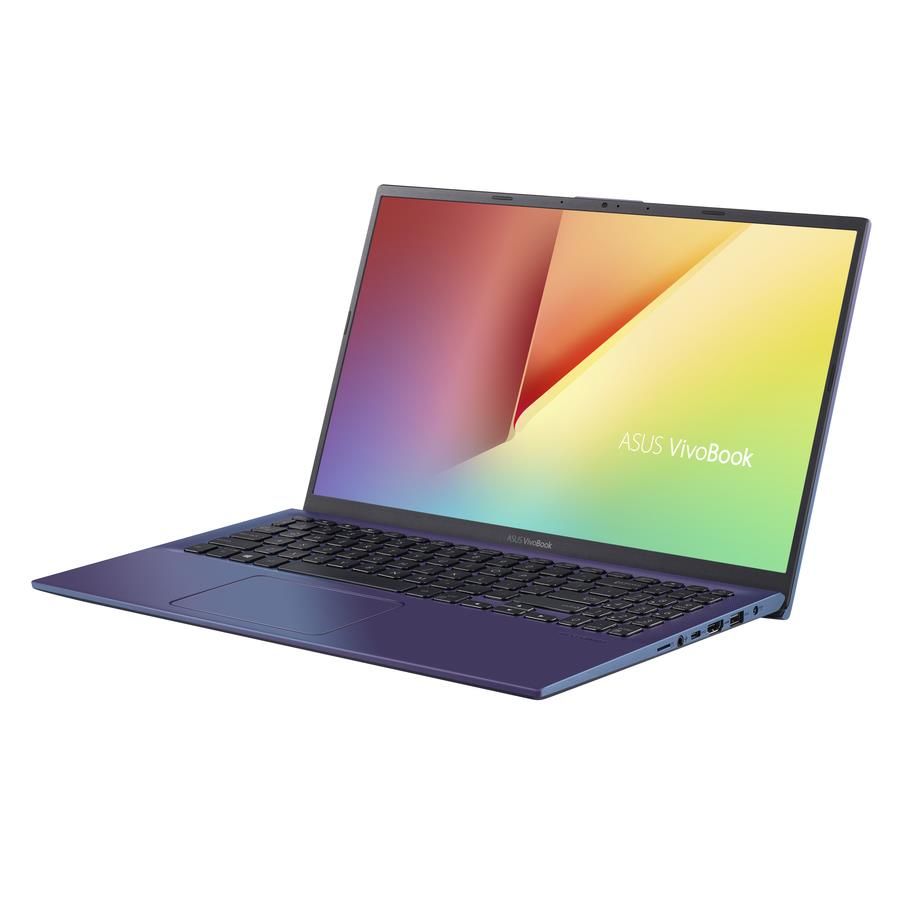
ASUS Vivobook 15 Series X512UA-EJ245T RAM upgrade specifications include one SO-DIMM slot for DDR4-SDRAM memory expansion. The laptop features on-board memory combined with one accessible SO-DIMM slot, supporting maximum RAM capacity of 16 GB. Compatible memory operates at 2400 MHz frequency. Upgrade specifications enable users to expand memory beyond factory configuration by installing DDR4-SDRAM modules in the available SO-DIMM slot, subject to maximum capacity limitations.
Memory Upgrade Specifications
| Specification | Value |
|---|---|
| Memory slots | 1x SO-DIMM |
| Form factor | On-board + SO-DIMM |
| Memory type | DDR4-SDRAM |
| Frequency | 2400 MHz |
| Maximum RAM | 16 GB |
| Voltage | 1.2V |
| Number of pins | 260-pin |
| Interface | PC4 |
| PC Speed Rating | PC4-2400 (PC4-19200) |
| Bandwidth | 19.2 GB/s |
| Laptop Release date | 27 November 2018 |
Additional Notes
- The ASUS Vivobook X512UA-EJ245T combines soldered memory with a single expansion slot, preventing full memory replacement and requiring retention of the factory-installed capacity.
- The 16 GB ceiling applies to the combined total of both on-board and SO-DIMM memory, not to the expansion slot alone.
- Determining the actual available upgrade capacity requires identifying how much RAM is permanently soldered to the motherboard.
- Modules faster than 2400 MHz will downclock to match the supported frequency, offering no performance advantage despite higher specification labels.
- Single-slot architecture limits dual-channel configuration to scenarios where the soldered memory and SO-DIMM module have identical capacities.
- Asymmetric memory configurations will force the system into single-channel mode or partial dual-channel operation, reducing memory bandwidth.
- SO-DIMM modules require 260-pin DDR4 compatibility, as standard 288-pin desktop modules are physically incompatible with the slot.
- The expansion slot accessibility depends on bottom panel removal, which may involve multiple screw types and potential warranty seal disruption.
- Mixing memory modules from different manufacturers can introduce stability issues due to timing and voltage tolerance variations.
- Non-ECC unbuffered modules are required, as this consumer platform lacks support for error-correcting or registered memory types.
- Operating voltage must conform to DDR4 standard of 1.2V, as low-voltage or high-performance variants may cause POST failures.
- The memory controller supports standard JEDEC profiles, making XMP or overclocked modules unnecessary and potentially incompatible.