ASUS Vivobook X512UA-EJ277T RAM upgrade specifications
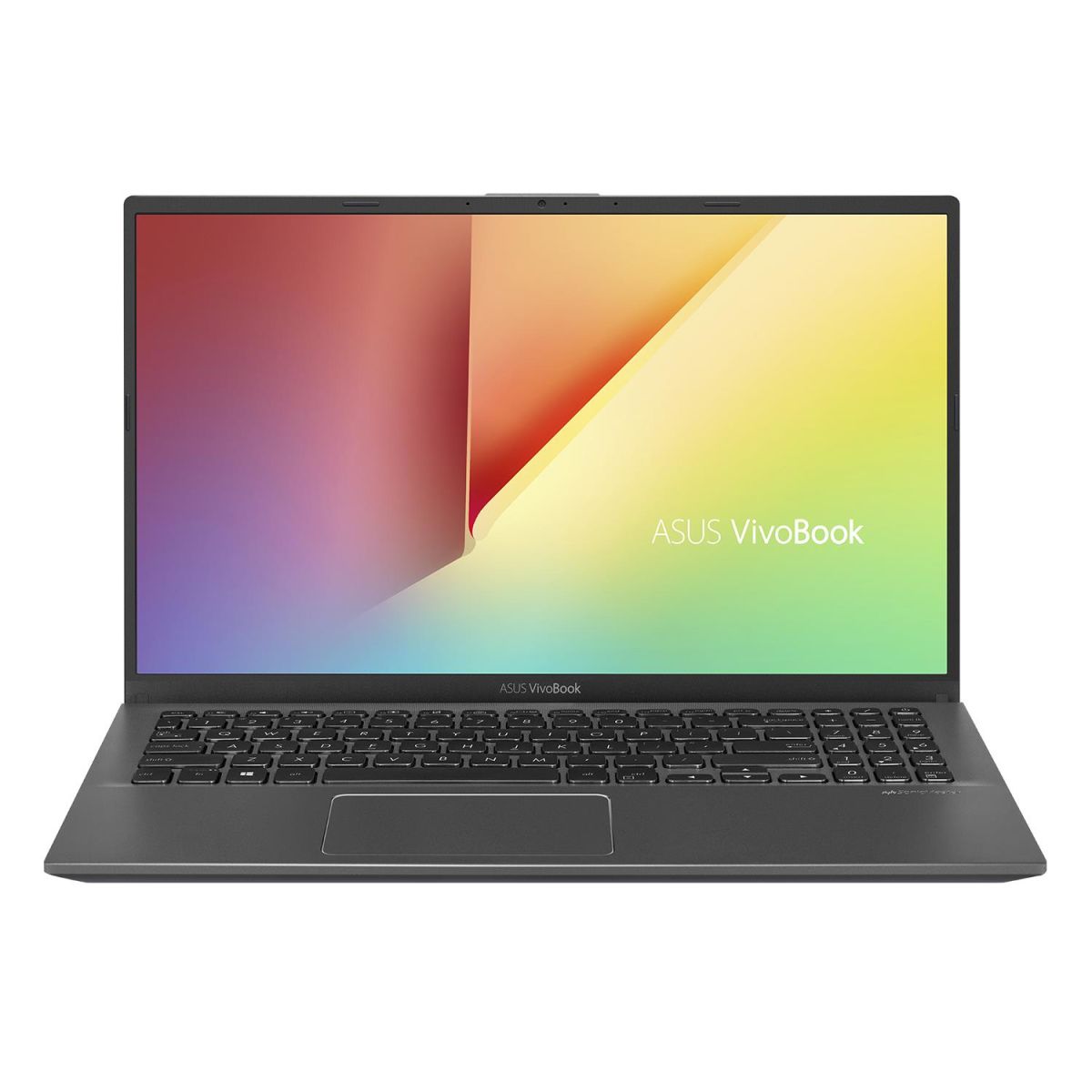
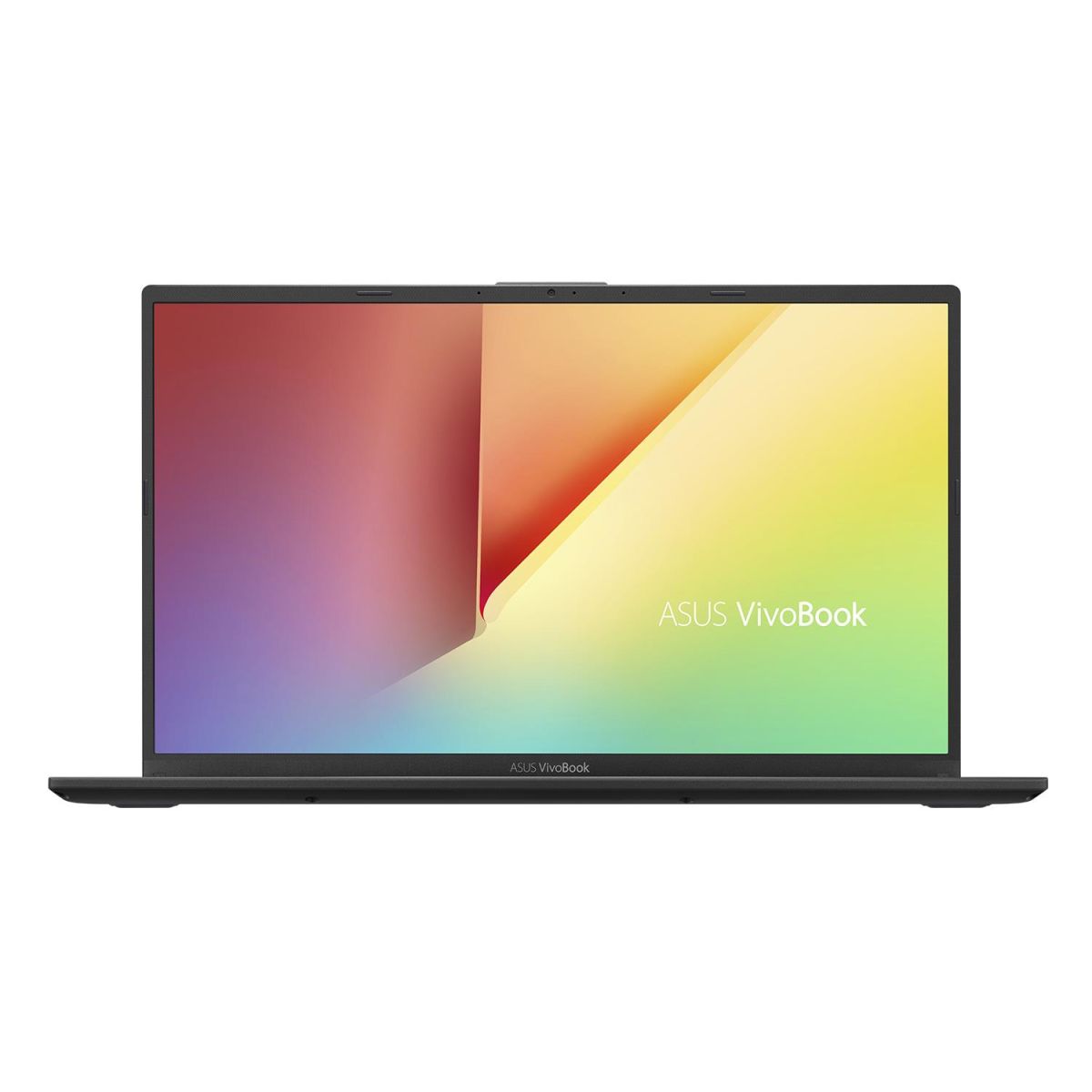
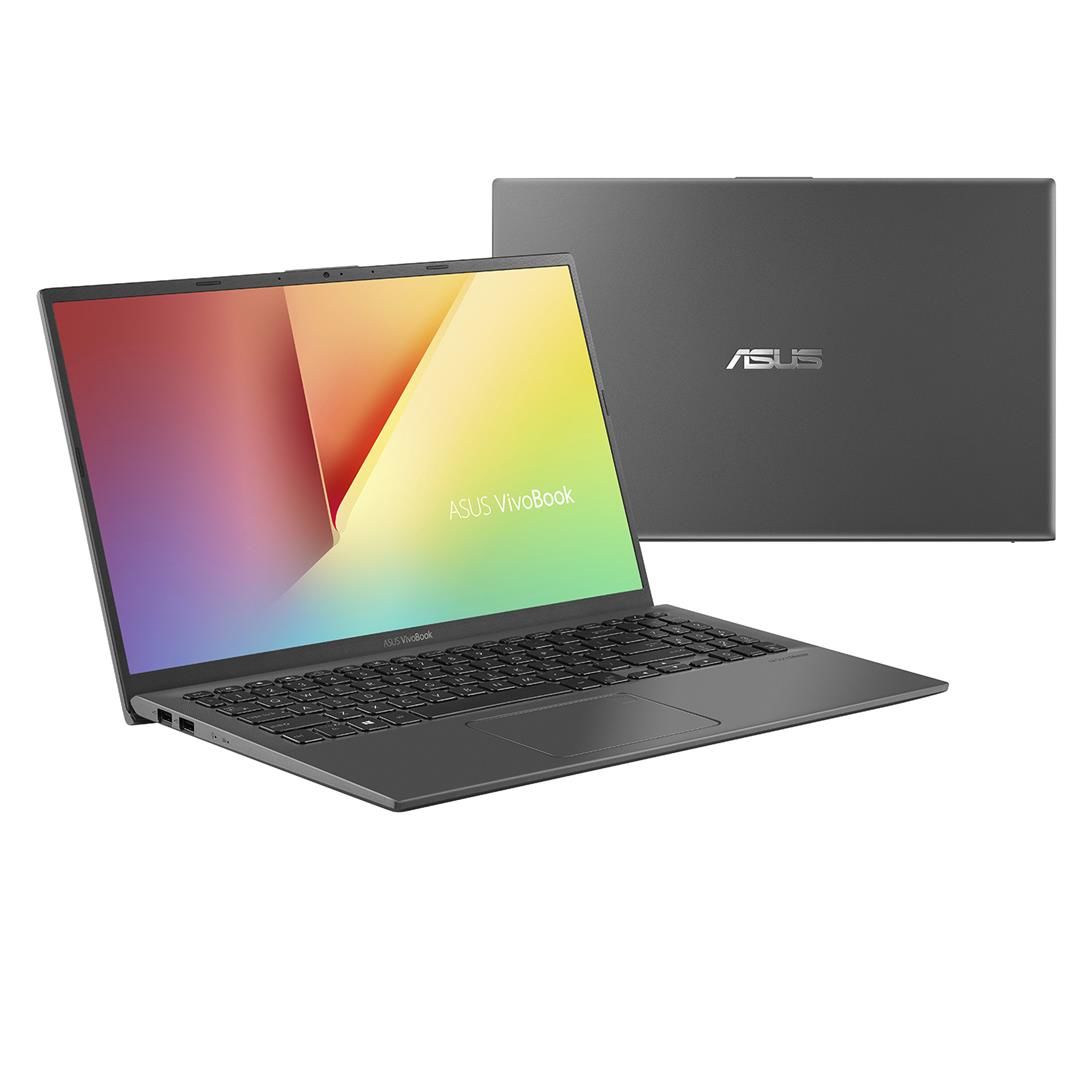


ASUS Vivobook 15 Series X512UA-EJ277T laptop features DDR4-SDRAM memory upgrade specifications with one SO-DIMM slot available for expansion. The system supports maximum RAM capacity of 12 GB, with memory operating at 2400 MHz frequency. Compatible RAM upgrades utilize the SO-DIMM form factor slot, enabling users to expand memory beyond the on-board configuration. These specifications define the compatible memory modules and maximum upgrade capacity for the X512UA-EJ277T model.
Memory Upgrade Specifications
| Specification | Value |
|---|---|
| Memory slots | 1x SO-DIMM |
| Form factor | On-board + SO-DIMM |
| Memory type | DDR4-SDRAM |
| Frequency | 2400 MHz |
| Maximum RAM | 12 GB |
| Voltage | 1.2V |
| Number of pins | 260-pin |
| Interface | PC4 |
| PC Speed Rating | PC4-2400 (PC4-19200) |
| Bandwidth | 19.2 GB/s |
| Laptop Release date | 04 August 2019 |
Additional Notes
- The ASUS Vivobook X512UA-EJ277T contains soldered on-board memory alongside a single expandable slot, restricting total capacity ceiling to 12 GB regardless of SO-DIMM module selection.
- DDR4-2400 MHz specification indicates the system will not benefit from higher-frequency RAM modules; any DDR4-3200 or faster module will downclock to 2400 MHz, making premium memory purchases unnecessary.
- Single SO-DIMM slot design means only 1 upgrade path exists; replacing the existing module requires removal rather than additive expansion, and both the on-board portion and new module must match the 2400 MHz speed for stable operation.
- SO-DIMM form factor is laptop-standard but requires partial system disassembly; warranty implications depend on ASUS service policy regarding memory compartment access, which typically permits user-performed upgrades on this product line.
- The soldered memory configuration sacrifices user upgradability at the base layer; if on-board capacity allocation exceeds 8 GB, SO-DIMM maximum effectiveness drops proportionally, creating a fixed architecture constraint unrelated to module quality.
- Memory bandwidth throughput is capped at DDR4-2400 specifications; workloads dependent on fast random-access patterns will experience latency limitations inherent to this frequency tier, not addressable through slot upgrades.