ASUS Vivobook X512UA-EJ279T RAM upgrade specifications


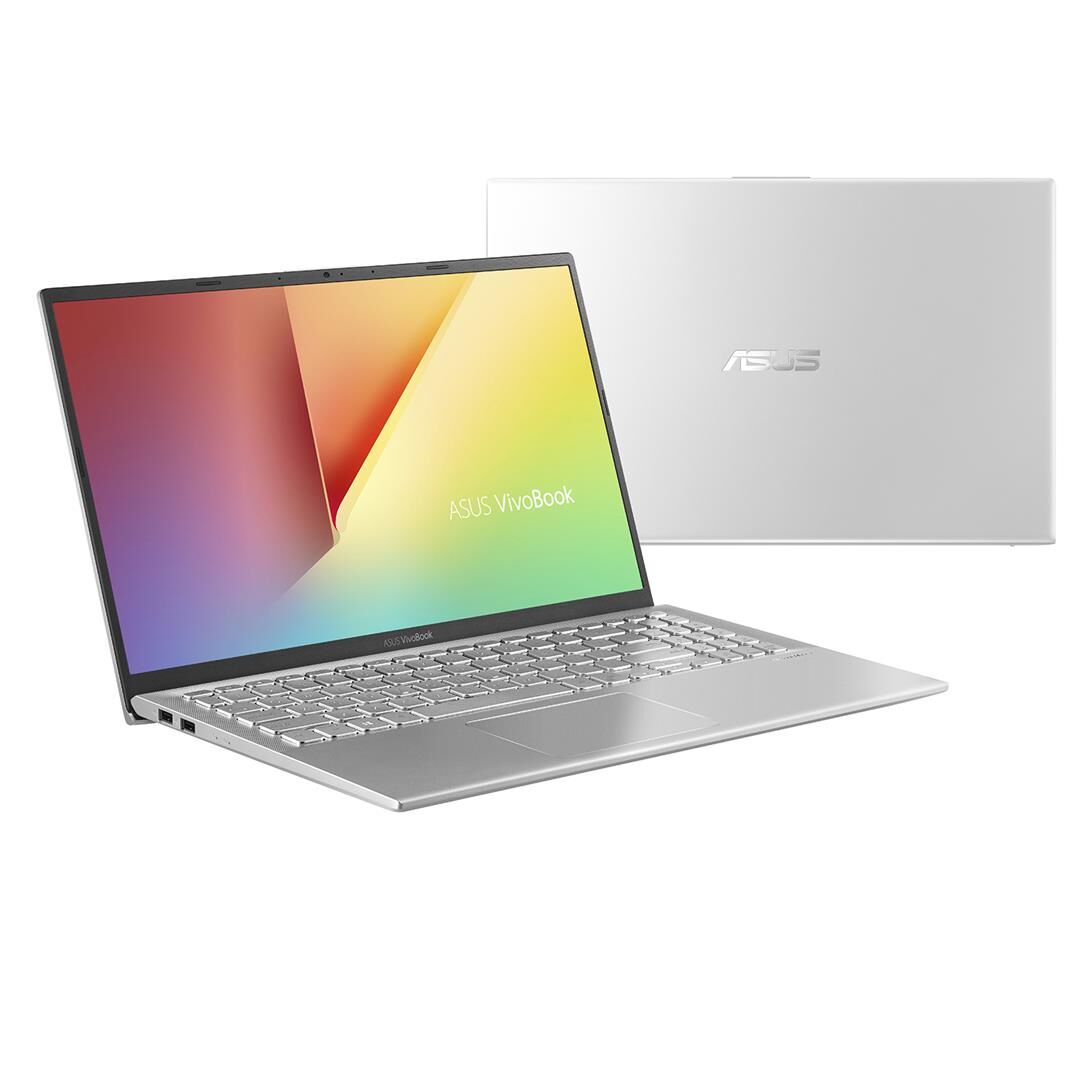


The ASUS Vivobook 15 Series X512UA-EJ279T features DDR4-SDRAM memory upgrade capabilities with one SO-DIMM slot available for expansion. Maximum compatible RAM capacity reaches 12 GB total, combining on-board memory with the single SO-DIMM slot. Memory operates at 2400 MHz frequency. Upgrade specifications indicate DDR4 compatibility for this laptop model's memory slots and maximum supported capacity parameters.
Memory Upgrade Specifications
| Specification | Value |
|---|---|
| Memory slots | 1x SO-DIMM |
| Form factor | On-board + SO-DIMM |
| Memory type | DDR4-SDRAM |
| Frequency | 2400 MHz |
| Maximum RAM | 12 GB |
| Voltage | 1.2V |
| Number of pins | 260-pin |
| Interface | PC4 |
| PC Speed Rating | PC4-2400 (PC4-19200) |
| Bandwidth | 19.2 GB/s |
| Laptop Release date | 14 November 2019 |
Additional Notes
- The ASUS Vivobook X512UA-EJ279T features a hybrid memory architecture with soldered RAM occupying one channel, limiting upgrade flexibility to a single accessible SO-DIMM slot rather than the dual-slot configuration common in most consumer notebooks.
- The 12 GB maximum capacity constraint indicates 4 GB of permanently soldered memory on the motherboard, restricting the SO-DIMM slot to an 8 GB module to reach the system ceiling.
- Installing a module larger than 8 GB will result in either system incompatibility or the excess capacity remaining unused, as the soldered component creates a fixed upper threshold.
- Dual-channel memory operation requires matching the onboard capacity with an identical SO-DIMM module, meaning optimal bandwidth performance occurs only with a 4 GB stick, resulting in 8 GB total system memory.
- Exceeding the matched 4 GB configuration forces the system into asymmetric dual-channel or flex mode operation, where only portions of the installed modules run in dual-channel while the remainder operates in reduced-bandwidth single-channel mode.
- The 2400 MHz specification represents the JEDEC standard speed for this DDR4 generation, with no support for higher frequency modules as Intel's 8th generation mobile platforms in this series lack XMP profile compatibility.
- SO-DIMM modules rated above 2400 MHz will downclock to match the controller's maximum supported frequency, negating any performance premium paid for faster rated memory.
- The single accessible slot design prevents future-proofing beyond the initial upgrade, as the soldered component cannot be replaced without motherboard-level rework that voids warranty coverage.
- Memory channel asymmetry from mixing a larger SO-DIMM with the fixed soldered capacity introduces potential latency penalties in memory-intensive workloads compared to balanced configurations.
- Physical access requires bottom panel removal to reach the SO-DIMM slot, with typical implementations using 4 to 6 retention screws securing the service cover.
- DDR4 SO-DIMM modules operate at 1.2V standard voltage, and attempting to install DDR3L or other generation memory will result in physical incompatibility due to notch positioning differences.
- The memory controller's 2400 MHz ceiling reflects bandwidth allocation of 19.2 GB/s per channel in dual-channel mode, halving to 9.6 GB/s when operating in single-channel with unmatched capacities.