ASUS Vivobook X705UA-BX1092T RAM upgrade specifications

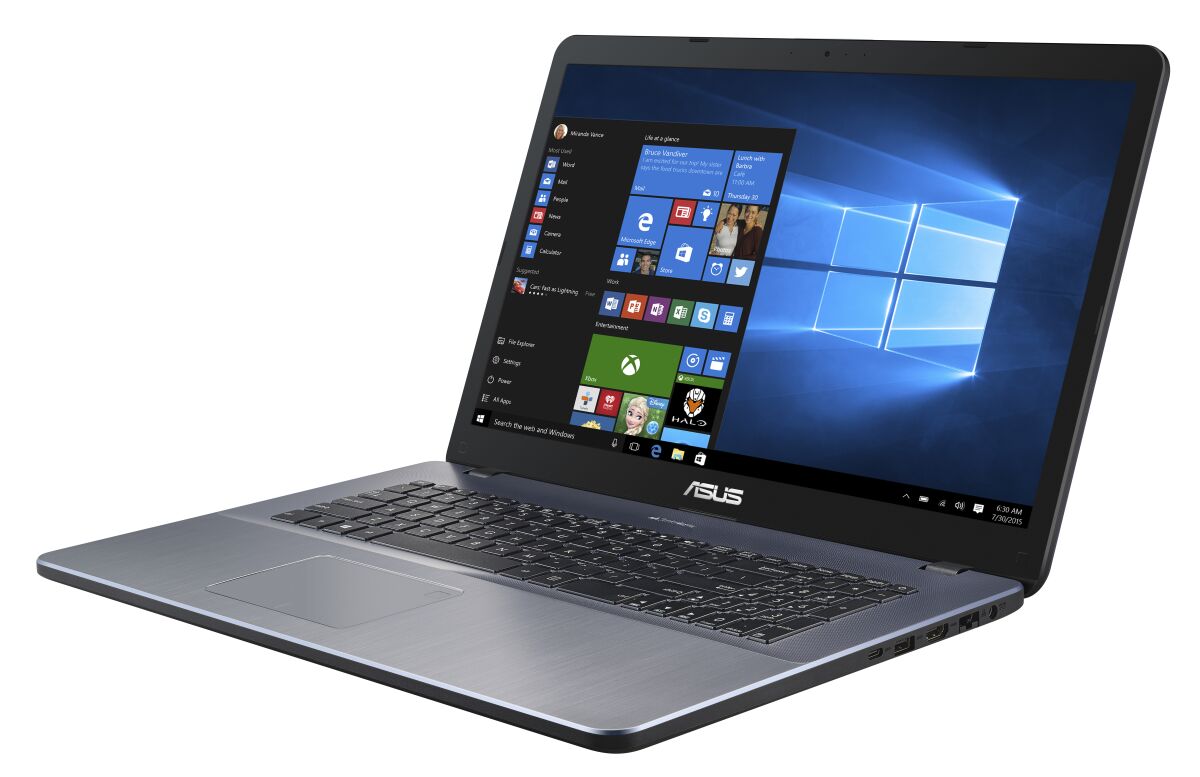



The ASUS Vivobook 17 Series X705UA-BX1092T laptop contains DDR4-SDRAM memory modules in SO-DIMM form factor. The system features 2 memory upgrade slots for RAM expansion. Compatible memory operates at 2400 MHz frequency. Maximum RAM capacity specifications allow up to 8 GB total memory upgrade capability. Specifications indicate upgrade slots support DDR4 SO-DIMM modules for enhanced system performance and multitasking capabilities.
Memory Upgrade Specifications
| Specification | Value |
|---|---|
| Memory slots | 2x SO-DIMM |
| Form factor | SO-DIMM |
| Memory type | DDR4-SDRAM |
| Frequency | 2400 MHz |
| Maximum RAM | 8 GB |
| Voltage | 1.2V |
| Number of pins | 260-pin |
| Interface | PC4 |
| PC Speed Rating | PC4-2400 (PC4-19200) |
| Bandwidth | 19.2 GB/s |
| Laptop Release date | 25 February 2021 |
Additional Notes
- The ASUS Vivobook X705UA-BX1092T imposes an 8 GB total memory ceiling, which prevents high-memory workloads such as virtual machines, professional video editing, or heavy multitasking scenarios from operating efficiently.
- Both SO-DIMM slots must remain populated with modules totaling no more than 8 GB combined, typically requiring either two 4 GB modules or removal of factory-installed memory to avoid exceeding the platform's addressing limit.
- DDR4-2400 operates at a 1200 MHz base clock with double data rate transfer, providing 19.2 GB/s theoretical bandwidth per channel, which suffices for general productivity but may throttle GPU-intensive applications relying on shared system memory.
- Modules rated above 2400 MHz will downclock to match the platform's maximum supported frequency, rendering premium-speed purchases functionally identical to standard 2400 MHz DIMMs.
- SO-DIMM installation requires accessing the underside service panel, where improper spreading of retention clips or misalignment during insertion can damage the slot's contact pins or the module's edge connector.
- Non-matching memory configurations between slots such as asymmetric capacities or mismatched latency timings may force single-channel operation, halving effective bandwidth to 9.6 GB/s and degrading integrated graphics performance.
- The 8 GB restriction suggests chipset-level limitations rather than BIOS constraints, meaning firmware updates will not enable higher capacity recognition.
- Third-party modules lacking JEDEC standard voltage compliance or running above 1.2V nominal may trigger POST failures or cause system instability under sustained load conditions.
- Dual-channel configuration requires identical module capacities in both slots, meaning a single 8 GB module will operate in single-channel mode if the other slot remains empty or holds a different capacity.
- Warranty preservation requires avoiding excessive insertion force or operating the system with improperly seated modules, as physical damage to memory pathways constitutes user-induced failure outside standard coverage terms.