ASUS Vivobook X705UB-GC225 RAM upgrade specifications
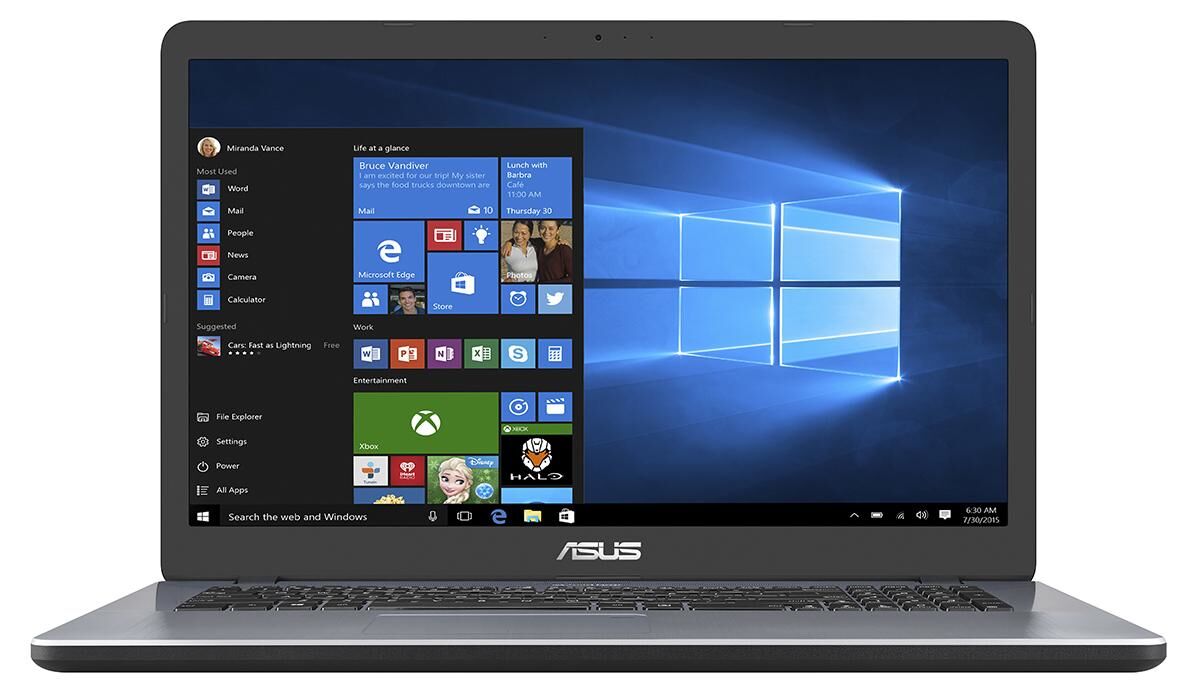
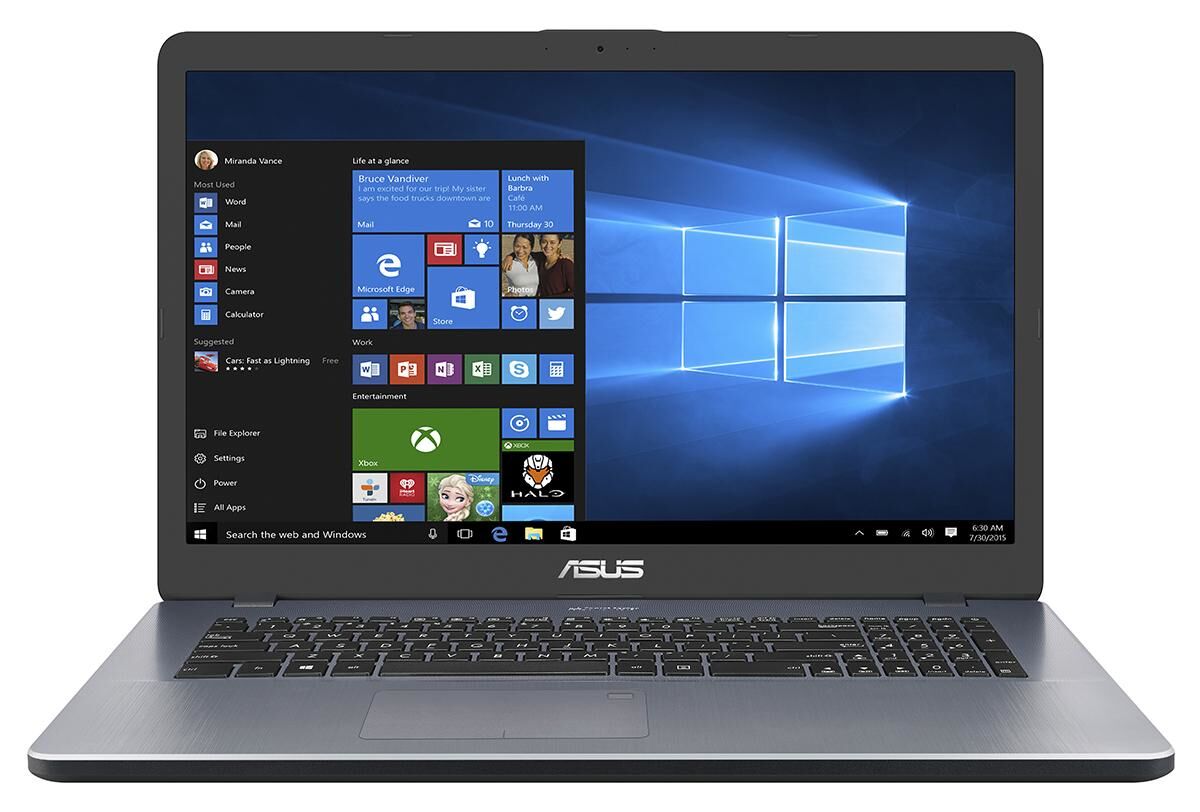
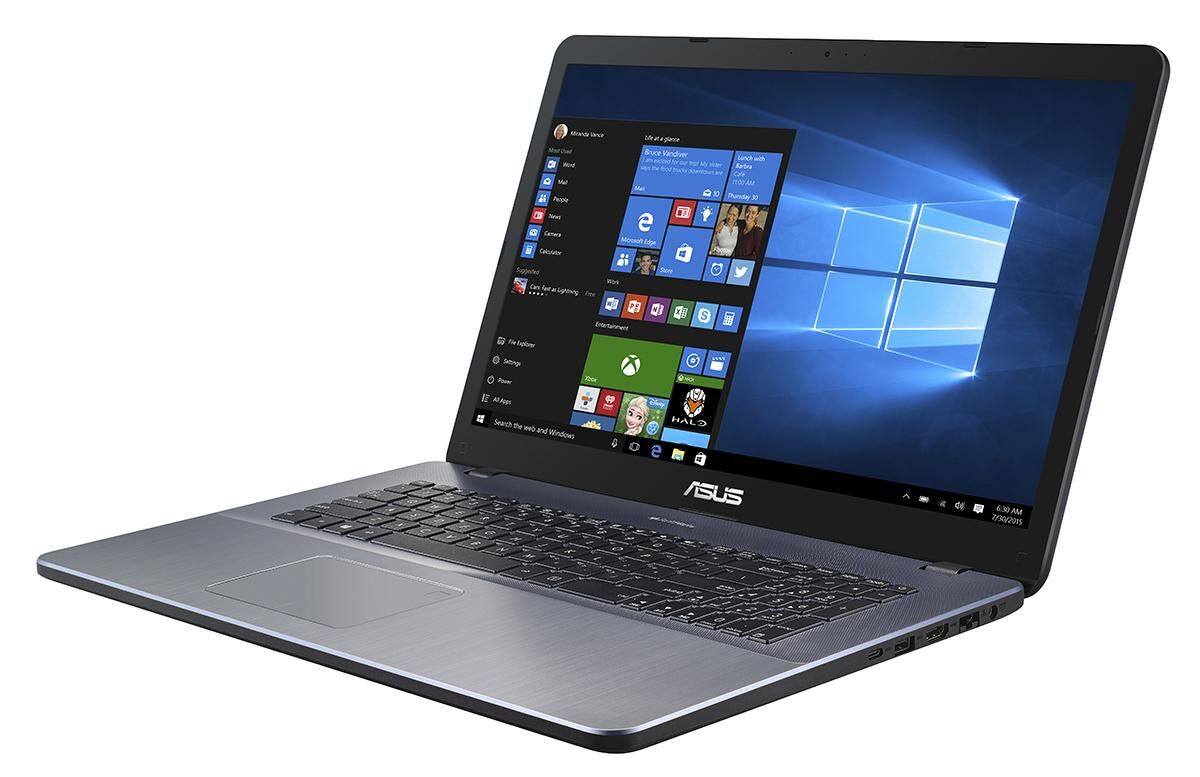
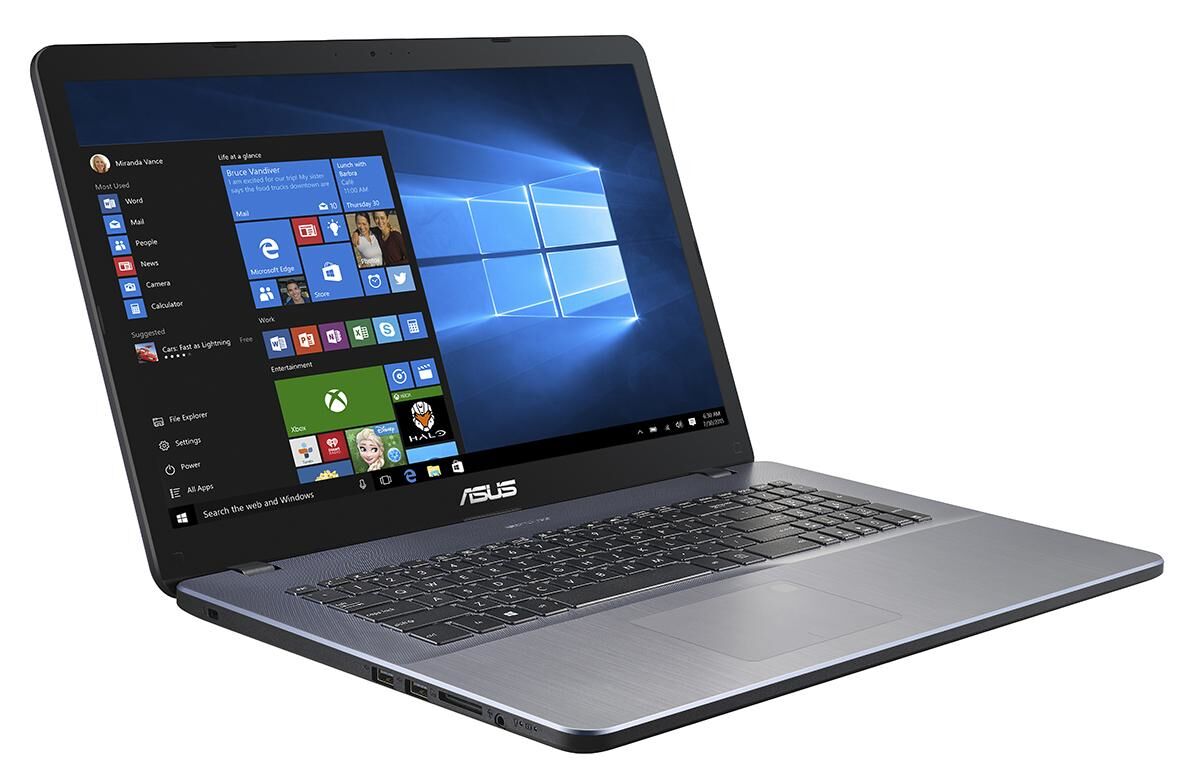
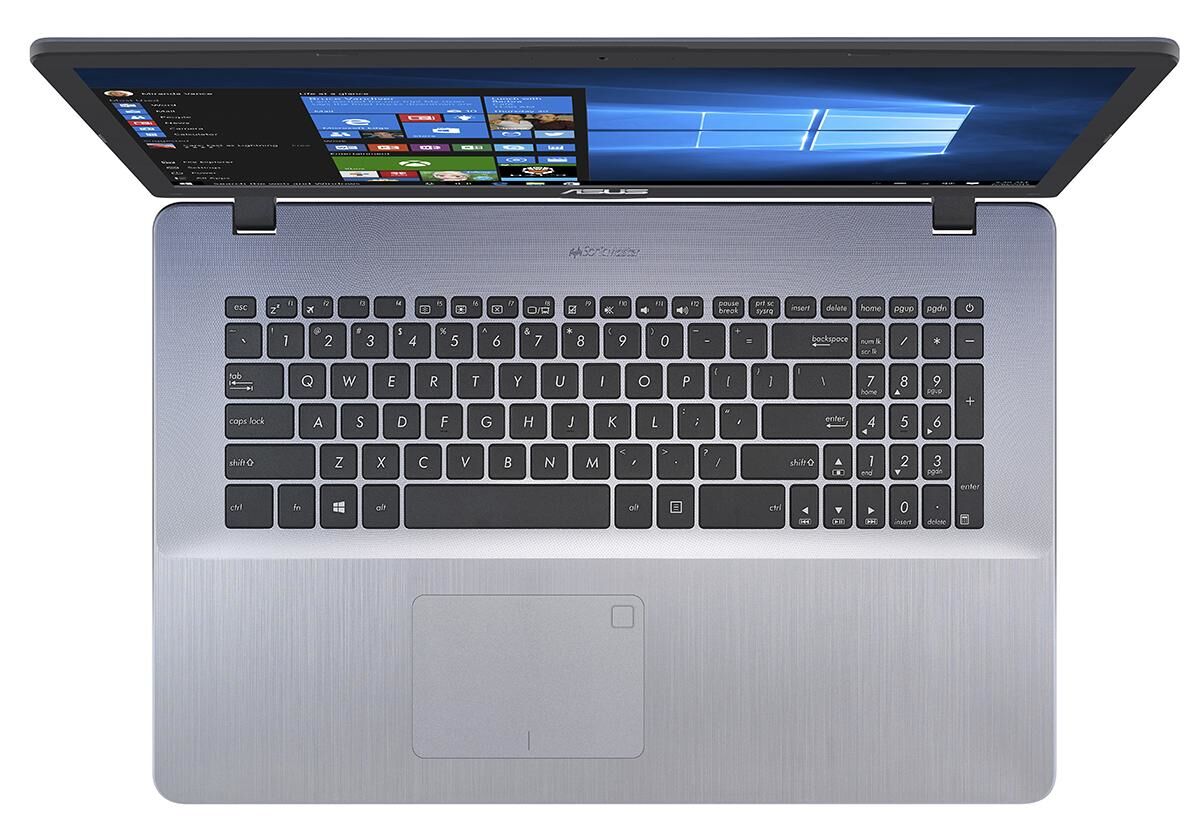
The ASUS Vivobook 17 Series X705UB-GC225 features two SO-DIMM memory slots supporting DDR4-SDRAM upgrades at 2400 MHz frequency. Compatible RAM upgrades expand the laptop's maximum memory capacity to 16 GB total. This specification indicates the laptop supports DDR4 memory modules in SO-DIMM form factor for enhanced multitasking performance and system responsiveness.
Memory Upgrade Specifications
| Specification | Value |
|---|---|
| Memory slots | 2x SO-DIMM |
| Form factor | SO-DIMM |
| Memory type | DDR4-SDRAM |
| Frequency | 2400 MHz |
| Maximum RAM | 16 GB |
| Voltage | 1.2V |
| Number of pins | 260-pin |
| Interface | PC4 |
| PC Speed Rating | PC4-2400 (PC4-19200) |
| Bandwidth | 19.2 GB/s |
| Laptop Release date | 27 January 2020 |
Additional Notes
- The ASUS Vivobook X705UB-GC225 accepts standard 260-pin SO-DIMM modules, which differ physically from desktop DIMM modules and cannot be interchanged.
- The 16 GB ceiling requires either a single 16 GB module in one slot or two 8 GB modules in dual-channel configuration, as DDR4 SO-DIMM modules larger than 16 GB are not standard consumer products.
- DDR4-2400 represents the validated speed threshold, meaning faster modules rated at 2666 MHz or 3200 MHz will downclock to 2400 MHz when installed.
- Dual-channel operation demands two identical modules (matching capacity, speed, and ideally timings) installed simultaneously to unlock the full memory bandwidth of 38.4 GB/s.
- Single-channel configurations halve the available memory bandwidth to 19.2 GB/s, creating potential bottlenecks in graphics-intensive tasks that rely on shared system memory.
- The chipset likely enforces DDR4 voltage standards at 1.2V, rejecting compatibility with DDR3L or DDR3 modules despite physical slot similarities.
- Access to memory slots on this 17-inch chassis typically requires removal of the bottom panel, which may involve multiple screw types and potential cable disconnections.
- Installing non-matching modules can force the memory controller into asymmetric mode (flex mode), where only the overlapping capacity operates in dual-channel while excess capacity runs in single-channel.
- The SO-DIMM form factor restricts heat dissipation compared to desktop modules, though DDR4-2400 generates minimal thermal output under standard operating conditions.
- Manufacturer warranty terms generally permit user-accessible memory upgrades without seal breakage, but verification of regional warranty policies remains advisable before disassembly.