ASUS Vivobook TP410UA-EC385T RAM upgrade specifications
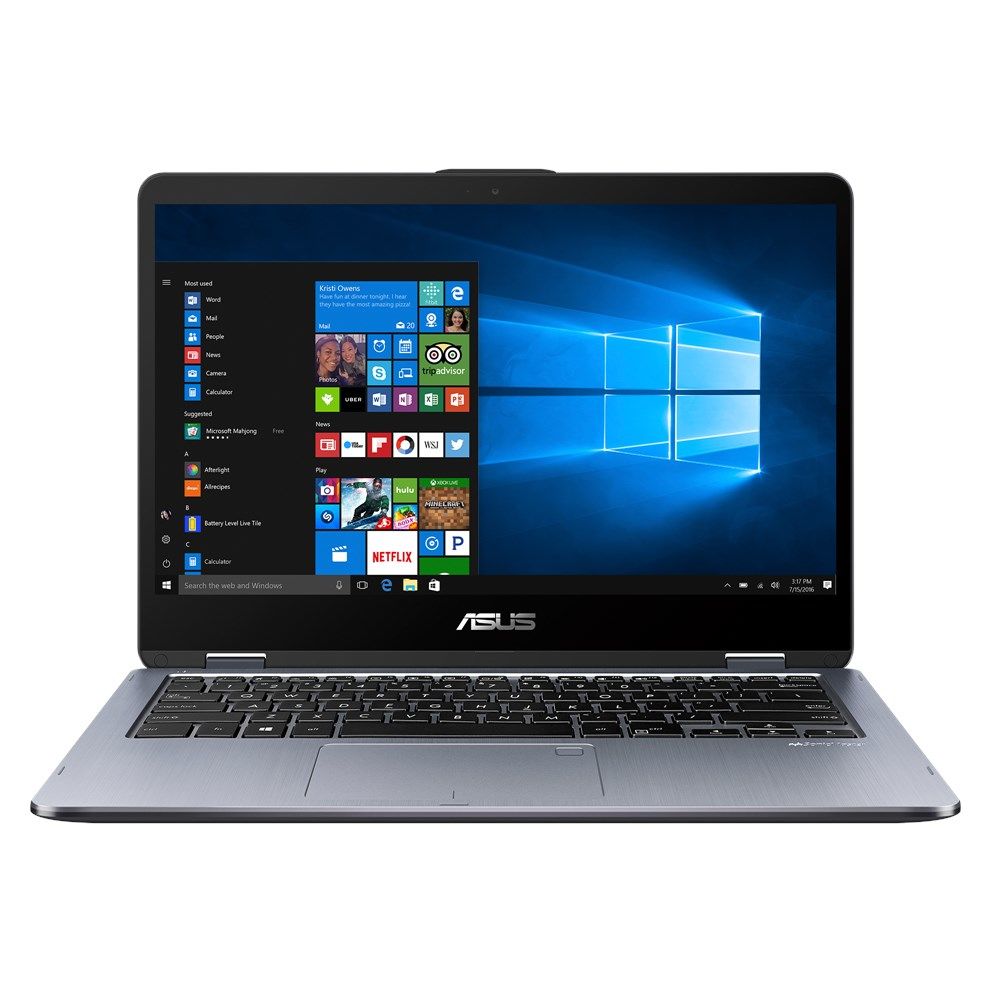
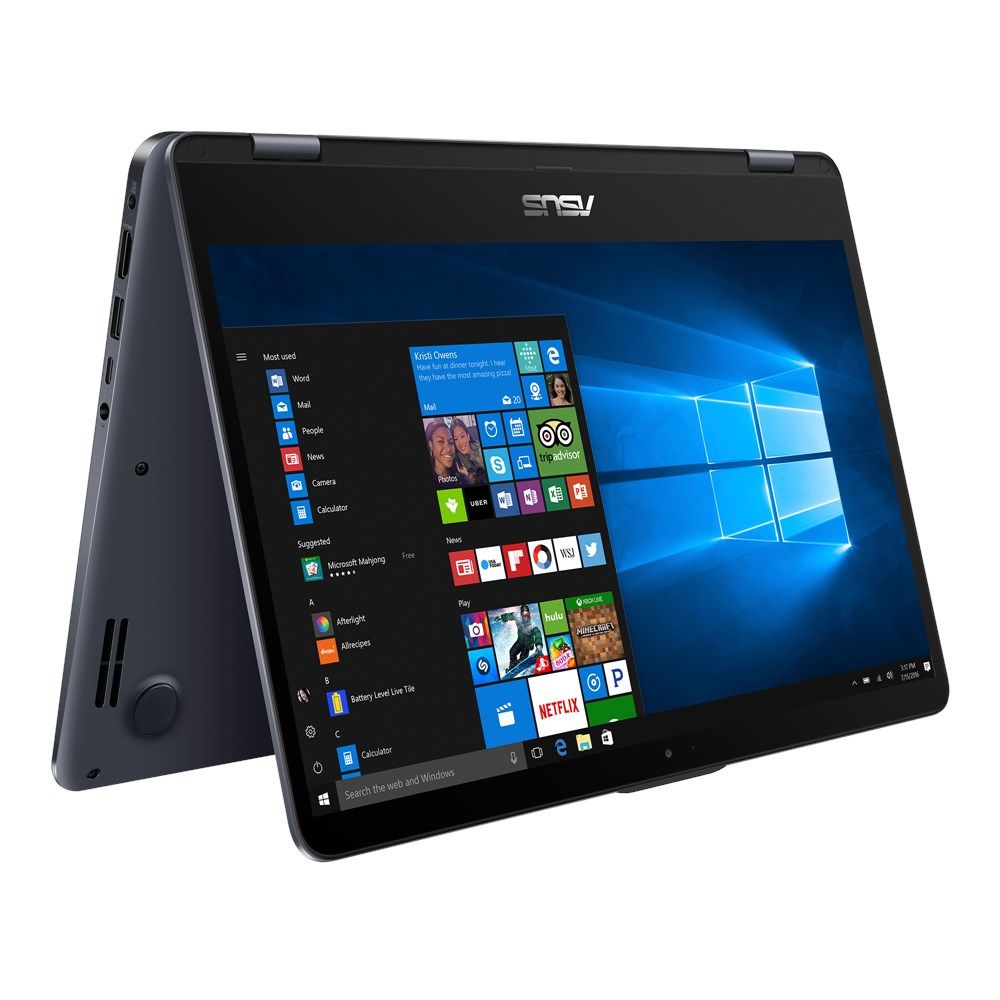
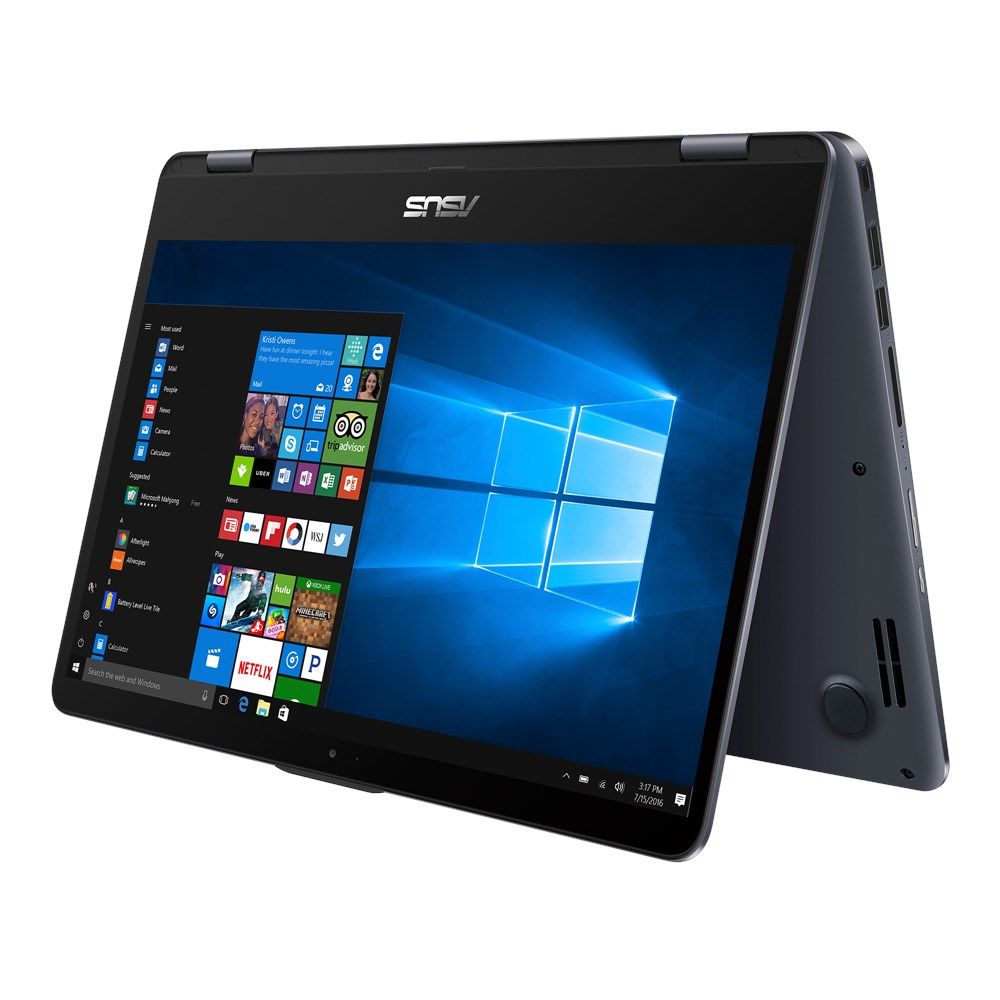
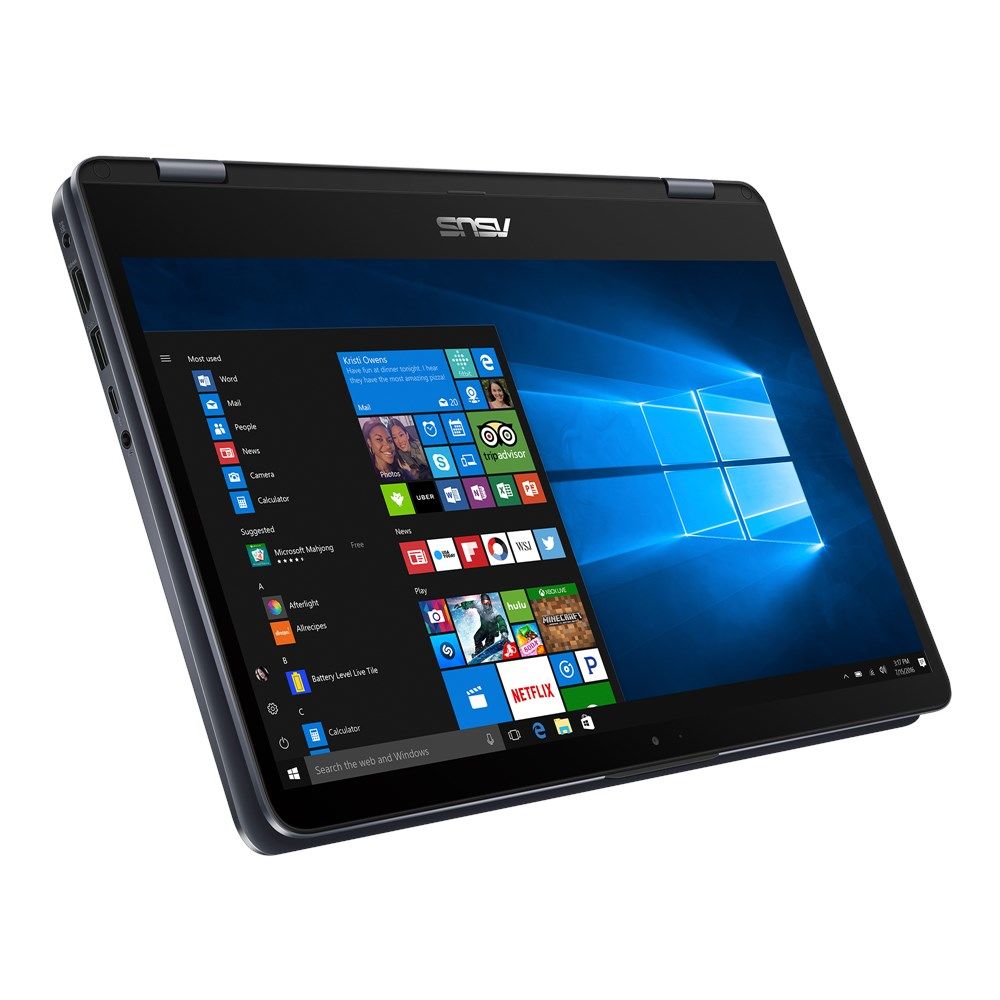
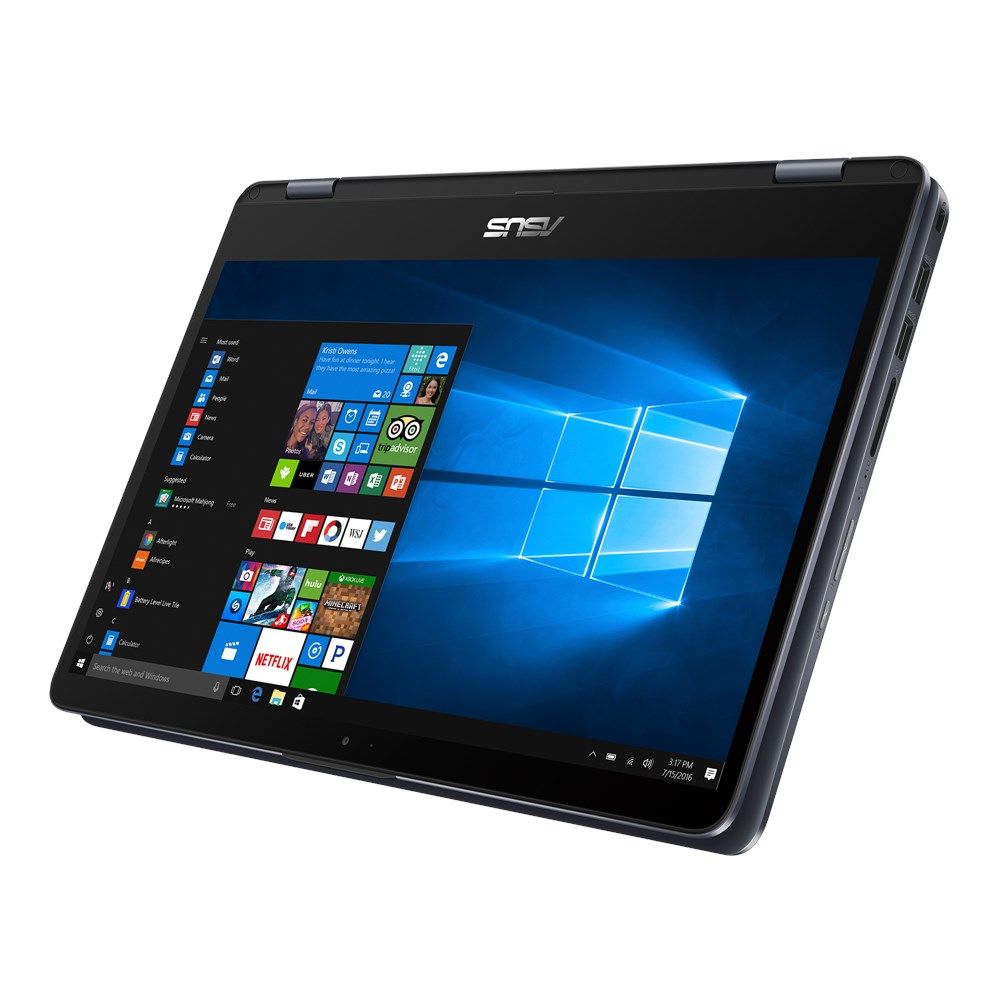
ASUS Vivobook Flip TP410UA-EC385T RAM upgrade specifications include one SO-DIMM memory slot supporting DDR4-SDRAM at 2133 MHz frequency. Maximum memory capacity reaches 12 GB with on-board and SO-DIMM configuration. Compatible memory modules must match DDR4-SDRAM specifications for proper installation and operation in this laptop model. Upgrade options depend on available slot capacity for additional memory installation.
Memory Upgrade Specifications
| Specification | Value |
|---|---|
| Memory slots | 1x SO-DIMM |
| Form factor | On-board + SO-DIMM |
| Memory type | DDR4-SDRAM |
| Frequency | 2133 MHz |
| Maximum RAM | 12 GB |
| Voltage | 1.2V |
| Number of pins | 260-pin |
| Interface | PC4 |
| PC Speed Rating | PC4-2133 (PC4-17064) |
| Bandwidth | 17.1 GB/s |
| Laptop Release date | 15 February 2019 |
Additional Notes
- The ASUS Vivobook TP410UA-EC385T features 4 GB soldered directly to the motherboard, which cannot be removed or replaced, limiting upgrade flexibility to the single accessible slot.
- The 12 GB maximum capacity indicates that only an 8 GB SO-DIMM module will achieve the advertised ceiling, as higher density modules would exceed system controller limitations.
- Installing modules rated above 2133 MHz will result in automatic downclocking to match the system's native frequency, offering no performance advantage despite higher cost.
- Dual-channel memory operation becomes possible when a SO-DIMM module is installed alongside the soldered memory, though asymmetric capacity configurations may cause portions of the total RAM to operate in slower single-channel mode.
- The single accessible slot design prevents warranty-preserved upgrades beyond one module installation, as further capacity increases would require motherboard replacement.
- DDR4 SO-DIMM voltage compatibility requires 1.2V modules; higher voltage DDR3L or DDR3 modules are physically incompatible and will not function despite similar form factors.
- The on-board memory architecture means total system failure occurs if the soldered chips develop faults, unlike systems with purely socketed configurations where individual modules can be isolated and replaced.
- Module height restrictions typical of convertible form factors may prevent installation of SO-DIMMs with tall heat spreaders or extended PCB designs, requiring standard low-profile specifications.