ASUS Vivobook N705FD-GC005T RAM upgrade specifications
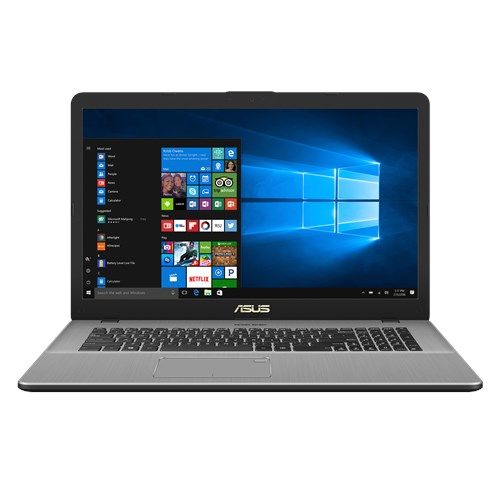
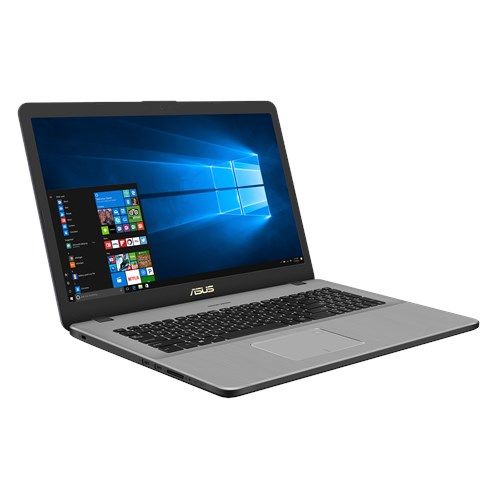
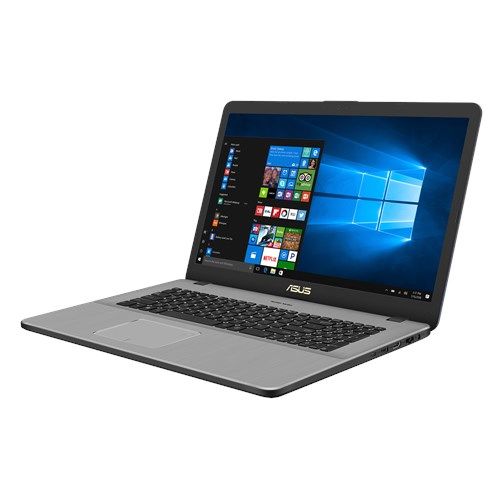
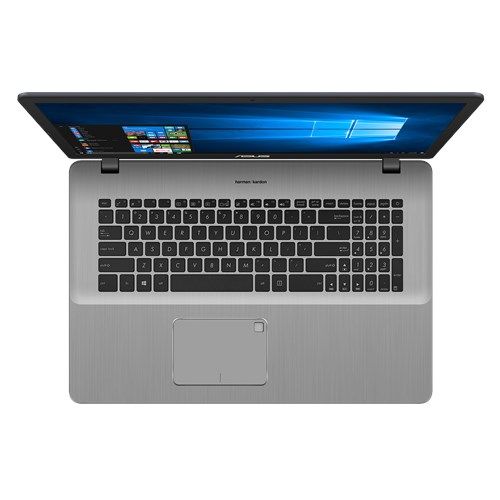
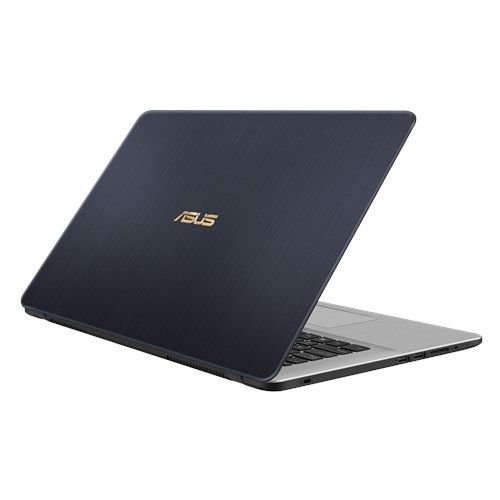
ASUS Vivobook Pro N705FD-GC005T RAM upgrade specifications include DDR4-SDRAM memory operating at 2400 MHz. The laptop features 2x SO-DIMM slots for memory expansion, supporting a maximum RAM capacity of 16 GB total. Compatible upgrade modules must use the SO-DIMM form factor standard. Specifications indicate the N705FD-GC005T model accepts DDR4 memory upgrades within these parameters.
Memory Upgrade Specifications
| Specification | Value |
|---|---|
| Memory slots | 2x SO-DIMM |
| Form factor | SO-DIMM |
| Memory type | DDR4-SDRAM |
| Frequency | 2400 MHz |
| Maximum RAM | 16 GB |
| Voltage | 1.2V |
| Number of pins | 260-pin |
| Interface | PC4 |
| PC Speed Rating | PC4-2400 (PC4-19200) |
| Bandwidth | 19.2 GB/s |
| Laptop Release date | 16 September 2018 |
Additional Notes
- The 16 GB ceiling reflects chipset or board-level limitations rather than physical slot restrictions, meaning paired 8 GB modules represent the highest stable configuration regardless of individual module density availability.
- SO-DIMM compatibility excludes standard desktop DIMM modules due to differing pin counts and voltage requirements, necessitating laptop-specific memory purchases.
- The 2400 MHz frequency specification indicates locked speed operation, where higher-rated modules automatically downclock to match the system bus, offering no performance advantage despite premium pricing.
- Dual-channel architecture requires matched module pairs for optimal bandwidth utilization, as mismatched capacities force the system into asymmetric or single-channel mode with measurable throughput reduction.
- DDR4 voltage standardization at 1.2V ensures backward incompatibility with DDR3/DDR3L modules, preventing physical insertion errors through notch repositioning but requiring generational awareness during procurement.
- The ASUS Vivobook N705FD-GC005T imposes no BIOS-level module rank restrictions, though maintaining identical rank configurations across slots minimizes latency inconsistencies during interleaved memory operations.
- Factory-installed modules typically occupy both slots in pre-configured systems, requiring complete removal rather than supplemental installation when approaching the 16 GB threshold.
- Non-ECC unbuffered modules remain the only compatible specification, as registered or error-correcting variants introduce incompatible signal timing that prevents POST completion.
- CAS latency variations within DDR4-2400 standards produce negligible real-world impact in this platform, making CL17 and CL19 modules functionally interchangeable despite specification sheet differences.
- Thermal design considerations favor standard-height SO-DIMM modules over low-profile variants, as chassis clearance in 17-inch form factors accommodates conventional dimensions without interference risks.