ASUS Vivobook N705FD-GC005T-BE RAM upgrade specifications
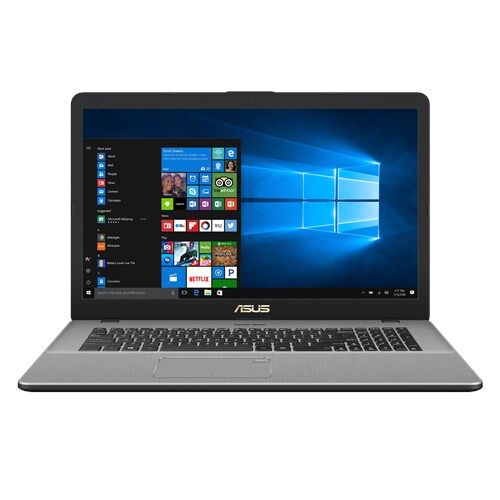
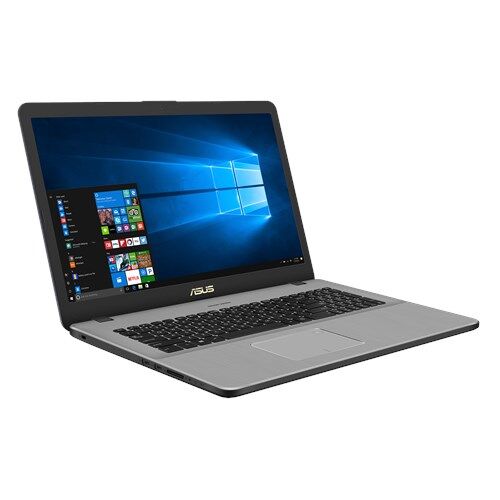
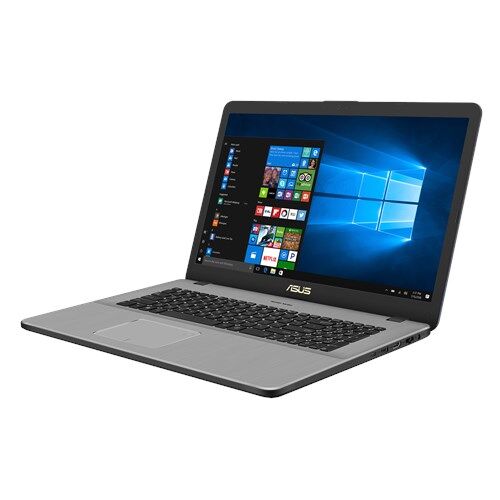
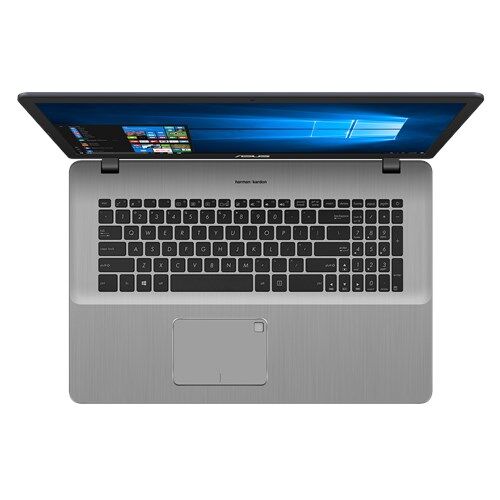
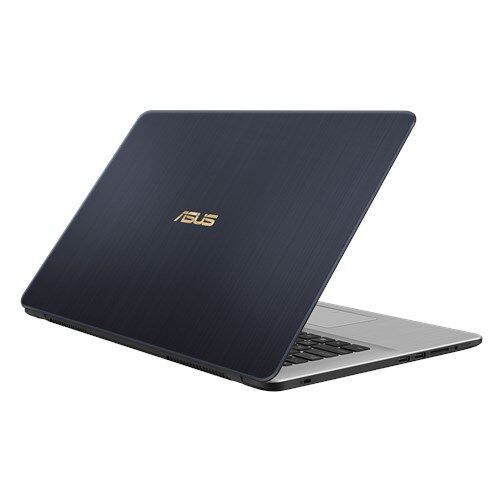
ASUS Vivobook Pro N705FD-GC005T-BE RAM upgrade specifications include DDR4-SDRAM memory type operating at 2400 MHz frequency. The laptop contains 2x SO-DIMM slots for memory expansion. Maximum supported RAM capacity reaches 16 GB total. Compatible memory modules must use SO-DIMM form factor specifications. Upgrade options allow users to increase existing memory capacity within the specified slot configuration and maximum RAM limitations.
Memory Upgrade Specifications
| Specification | Value |
|---|---|
| Memory slots | 2x SO-DIMM |
| Form factor | SO-DIMM |
| Memory type | DDR4-SDRAM |
| Frequency | 2400 MHz |
| Maximum RAM | 16 GB |
| Voltage | 1.2V |
| Number of pins | 260-pin |
| Interface | PC4 |
| PC Speed Rating | PC4-2400 (PC4-19200) |
| Bandwidth | 19.2 GB/s |
| Laptop Release date | 10 January 2019 |
Additional Notes
- The 16 GB ceiling reflects chipset-level addressing limits rather than physical slot capacity, preventing recognition of higher-density modules even when mechanically compatible.
- SO-DIMM slots require modules with 260-pin configuration and keying notch positioned for DDR4 voltage specifications, making DDR3L physically incompatible despite similar dimensions.
- Dual-channel architecture activates only when identical capacity modules populate both slots, otherwise defaulting to asymmetric or single-channel operation with measurable bandwidth reduction.
- The 2400 MHz specification represents JEDEC standard speed, meaning modules rated at 2666 MHz or 3200 MHz will downclock automatically to maintain system stability.
- Access to memory slots on this ASUS Vivobook N705FD-GC005T-BE requires bottom panel removal, with potential seal breakage that some regional warranty terms may classify as user-inflicted damage.
- Mixing modules with different ranks (single-rank versus dual-rank) can force the memory controller into lower performance modes or cause POST failures during boot sequence.
- Non-ECC unbuffered modules are mandatory, as the mobile chipset lacks error-correction circuitry and will reject registered or ECC-equipped SO-DIMMs.
- Operating voltage must remain at 1.2V standard, since low-voltage variants designed for different power envelopes may introduce thermal management conflicts.
- Populating only one slot halves available memory bandwidth to approximately 19 GB/s theoretical maximum, directly impacting integrated graphics performance that shares system memory.
- XMP or overclocked profiles embedded in enthusiast-grade modules remain inactive without BIOS support for SPD reprogramming, wasting premium pricing.