ASUS Vivobook N705FD-GC009T RAM upgrade specifications

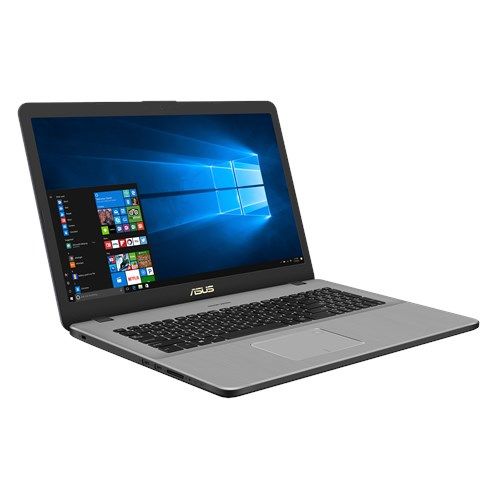

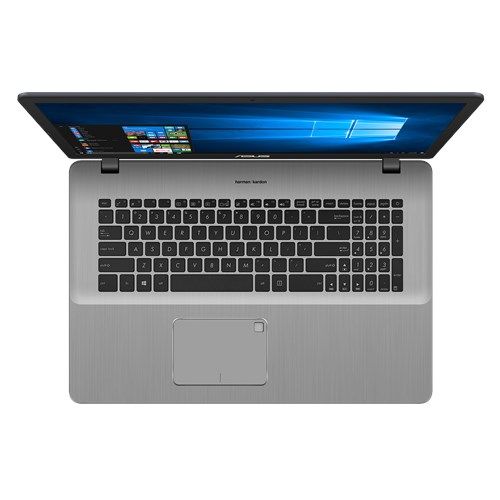
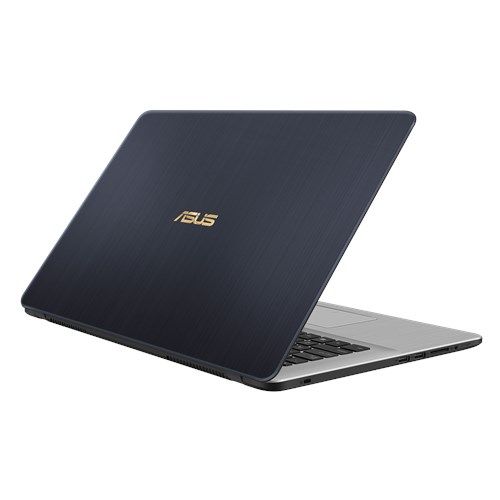
The ASUS Vivobook Pro N705FD-GC009T laptop features DDR4-SDRAM memory upgrade specifications with two SO-DIMM slots supporting a maximum RAM capacity of 16 GB. Compatible memory modules operate at 2400 MHz frequency. The upgrade slots accommodate standard SO-DIMM form factor memory modules, enabling users to expand the system's memory configuration according to specifications outlined for the N705FD-GC009T model.
Memory Upgrade Specifications
| Specification | Value |
|---|---|
| Memory slots | 2x SO-DIMM |
| Form factor | SO-DIMM |
| Memory type | DDR4-SDRAM |
| Frequency | 2400 MHz |
| Maximum RAM | 16 GB |
| Voltage | 1.2V |
| Number of pins | 260-pin |
| Interface | PC4 |
| PC Speed Rating | PC4-2400 (PC4-19200) |
| Bandwidth | 19.2 GB/s |
| Laptop Release date | 02 June 2019 |
Additional Notes
- The 16 GB ceiling represents a chipset-level restriction rather than a slot limitation, meaning installing two 16 GB modules will not yield 32 GB of usable memory.
- The 2400 MHz specification indicates a locked memory controller frequency, causing higher-speed modules rated at 2666 MHz or 3200 MHz to automatically downclock to 2400 MHz operation.
- SO-DIMM form factor compatibility excludes standard desktop DIMM modules due to the 260-pin versus 288-pin physical interface difference.
- Dual SO-DIMM configuration enables dual-channel memory bandwidth when populated with matched capacity modules, doubling theoretical throughput compared to single-channel operation.
- DDR4-SDRAM architecture operates at lower voltage (1.2V) than DDR3 standards, making cross-generation module installation physically and electrically incompatible.
- Accessing memory slots on the ASUS Vivobook N705FD-GC009T typically requires complete bottom panel removal, affecting upgrade complexity compared to models with dedicated access doors.
- The 2400 MHz JEDEC standard supports non-XMP modules, ensuring broad compatibility with value-tier memory without requiring BIOS profile activation.
- Memory controller bandwidth at 2400 MHz delivers 19.2 GB/s per channel in dual-channel mode, potentially constraining integrated graphics performance during VRAM-intensive tasks.
- Mismatched module capacities between slots will force asymmetric dual-channel operation, reducing effective memory bandwidth in the non-interleaved portion.
- Warranty preservation requires using non-conductive tools during installation to avoid ESD damage to the memory controller integrated within the CPU package.