ASUS Vivobook N705FD-GC014T RAM upgrade specifications
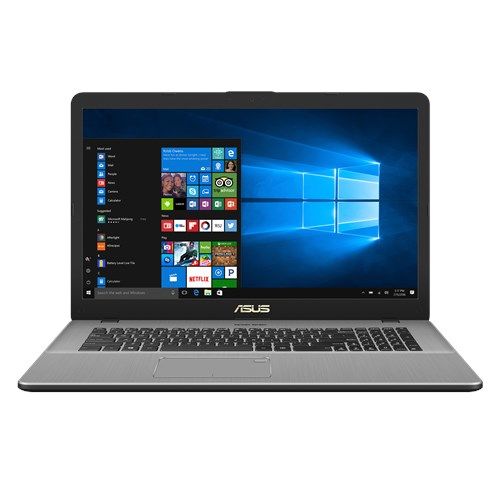
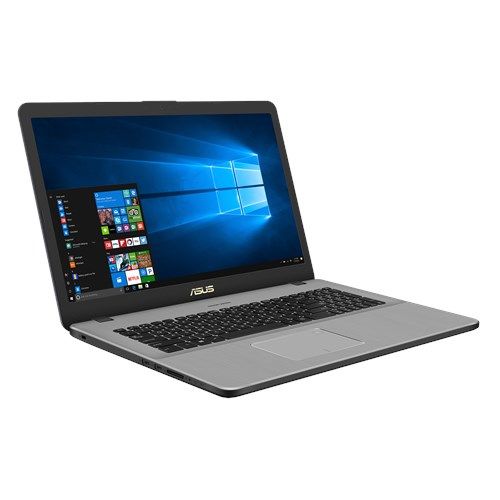
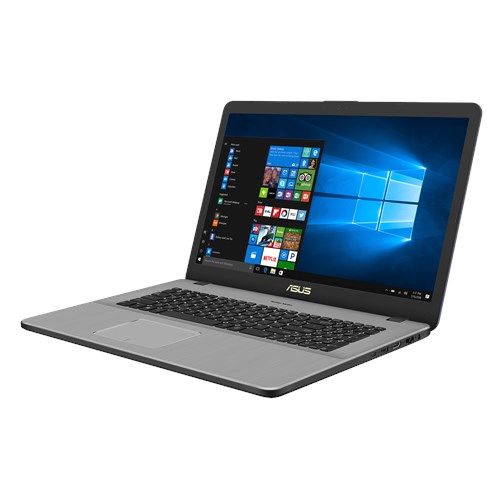
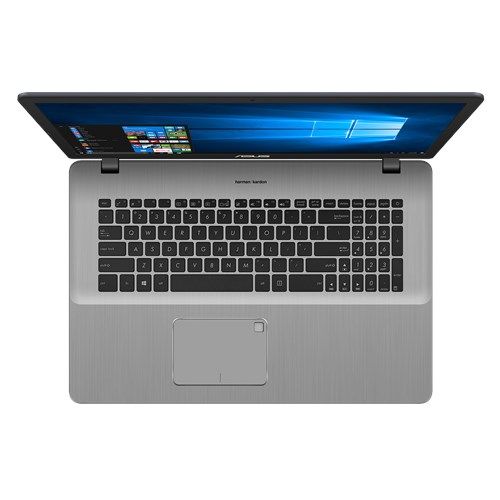
ASUS Vivobook Pro N705FD-GC014T RAM upgrade specifications include DDR4-SDRAM memory compatible with two SO-DIMM slots. Maximum memory capacity reaches 16 GB total. The laptop supports DDR4-SDRAM modules operating at 2400 MHz frequency. Current memory configuration and available upgrade options depend on factory-installed capacity. SO-DIMM form factor modules are required for compatible memory upgrades. This configuration enables users to expand memory capacity up to the maximum 16 GB specification by replacing or supplementing existing RAM modules in available slots.
Memory Upgrade Specifications
| Specification | Value |
|---|---|
| Memory slots | 2x SO-DIMM |
| Form factor | SO-DIMM |
| Memory type | DDR4-SDRAM |
| Frequency | 2400 MHz |
| Maximum RAM | 16 GB |
| Voltage | 1.2V |
| Number of pins | 260-pin |
| Interface | PC4 |
| PC Speed Rating | PC4-2400 (PC4-19200) |
| Bandwidth | 19.2 GB/s |
| Laptop Release date | 04 September 2019 |
Additional Notes
- The ASUS Vivobook N705FD-GC014T accepts standard 260-pin SO-DIMM modules, which rules out desktop-class DIMM sticks that physically cannot fit the smaller laptop slot architecture.
- The 16 GB maximum capacity constraint typically stems from chipset addressing limitations, meaning that installing modules larger than 8 GB per slot will either fail to boot or cause the system to recognize only 16 GB total.
- DDR4-2400 operates at a lower bandwidth than current DDR4-3200 standards, which may create a performance gap in memory-intensive workloads compared to systems with higher-frequency support.
- Installing mixed-frequency modules will force all memory to downclock to the slowest stick's speed, eliminating any benefit from higher-rated replacements.
- The dual-slot configuration allows asymmetric population, though single-channel operation from using only 1 occupied slot will halve memory bandwidth compared to matched pairs running in dual-channel mode.
- Non-matching module capacities between slots will limit dual-channel operation to the size of the smaller module, with excess capacity on the larger stick running in slower single-channel mode.
- Voltage variations outside the DDR4 standard 1.2V specification may cause boot failures or system instability, particularly with modules designed for overclocking or extreme-performance desktops.
- Access to the memory compartment determines whether upgrades void warranty seals, as some laptop designs require full bottom-panel removal rather than dedicated RAM doors.
- Mixing brands or different latency timings between slots can trigger compatibility issues during POST, even when capacity and frequency match specification requirements.
- The 2400 MHz native speed means faster modules will automatically downclock, offering no performance advantage while potentially costing more than specification-matching alternatives.