ASUS Vivobook N705FD-GC038T-BE RAM upgrade specifications
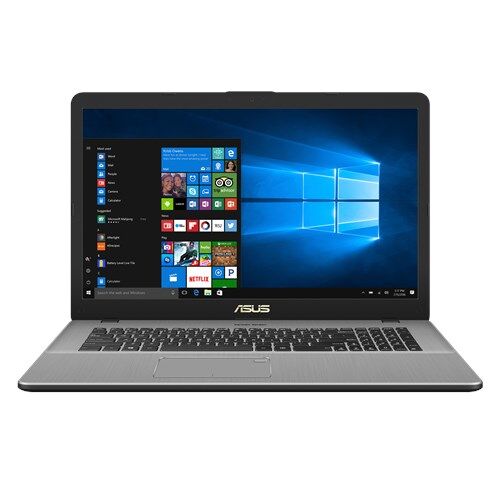
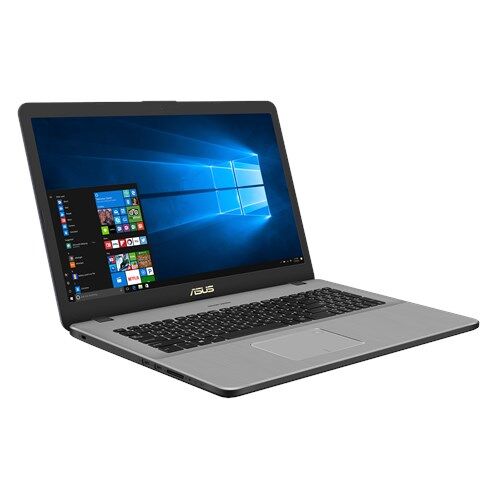
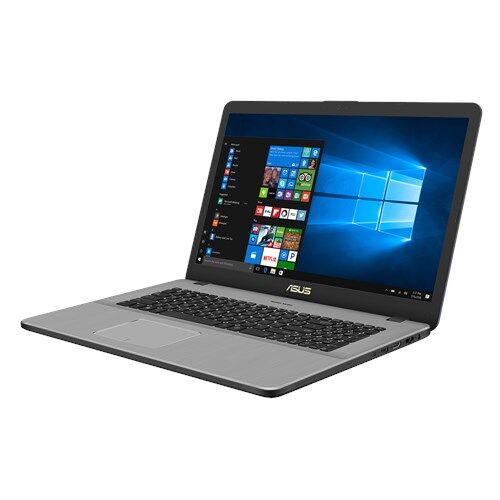
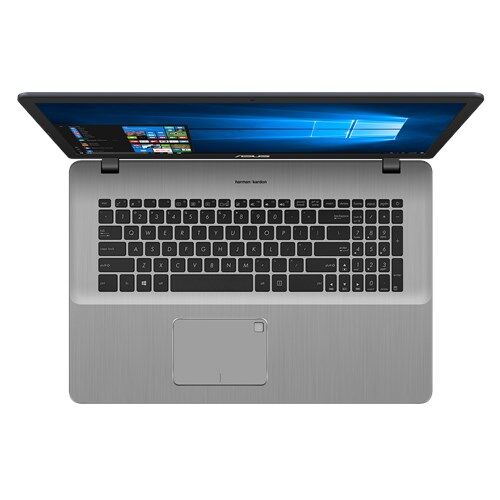
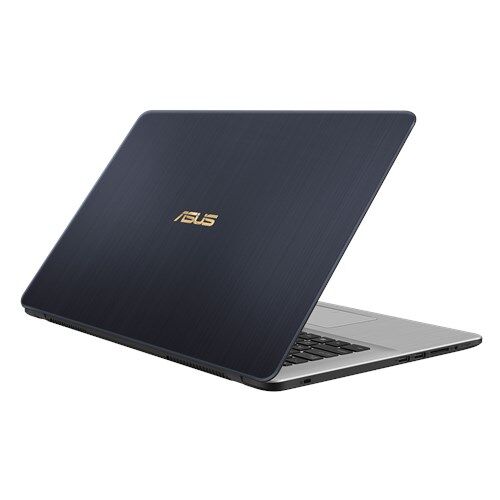
ASUS Vivobook Pro N705FD-GC038T-BE RAM upgrade specifications indicate DDR4-SDRAM memory compatibility with 2x SO-DIMM slots supporting maximum capacity of 16 GB total. Memory operates at 2400 MHz frequency. Compatible memory modules utilize SO-DIMM form factor. Upgrade options range from single-slot installations to dual-slot configurations reaching maximum RAM capacity. Specifications define memory upgrade parameters for extended performance enhancement on this ASUS laptop model.
Memory Upgrade Specifications
| Specification | Value |
|---|---|
| Memory slots | 2x SO-DIMM |
| Form factor | SO-DIMM |
| Memory type | DDR4-SDRAM |
| Frequency | 2400 MHz |
| Maximum RAM | 16 GB |
| Voltage | 1.2V |
| Number of pins | 260-pin |
| Interface | PC4 |
| PC Speed Rating | PC4-2400 (PC4-19200) |
| Bandwidth | 19.2 GB/s |
| Laptop Release date | 10 January 2019 |
Additional Notes
- The 16 GB maximum capacity limitation stems from chipset-level address space constraints rather than physical slot availability, making any attempt to install higher-density modules futile regardless of their technical specifications.
- Both SO-DIMM slots must remain accessible without disassembling heat pipes or removing the motherboard, though the bottom panel removal typically voids manufacturer seals on this ASUS Vivobook N705FD-GC038T-BE configuration.
- DDR4-2400 represents the locked frequency ceiling enforced by the memory controller, causing any DDR4-2666 or DDR4-3200 modules to automatically downclock during POST without performance penalty beyond the price premium paid for unused speed headroom.
- Mixing modules with different densities across the 2 slots disables dual-channel mode, halving memory bandwidth to integrated graphics operations that share system memory rather than dedicated VRAM.
- The SO-DIMM form factor specification excludes standard DIMM desktop memory despite identical DDR4 voltage requirements, as the 67.6 mm module length physically cannot insert into the 260-pin SO-DIMM connectors.
- Unofficial memory configurations exceeding manufacturer specifications may function temporarily but create unpredictable stability issues under sustained workloads, particularly when the thermal design cannot dissipate heat from unapproved high-density chips.
- Non-ECC unbuffered modules represent the only compatible architecture for this consumer platform, rendering any server-grade ECC or registered memory incompatible regardless of matching speed and capacity specifications.
- Single-rank versus dual-rank module architecture affects interleaving efficiency on the memory bus, though this distinction rarely appears in consumer product specifications despite measurable impact on sustained transfer rates.