ASUS Vivobook N705FD-GC043T-BE RAM upgrade specifications
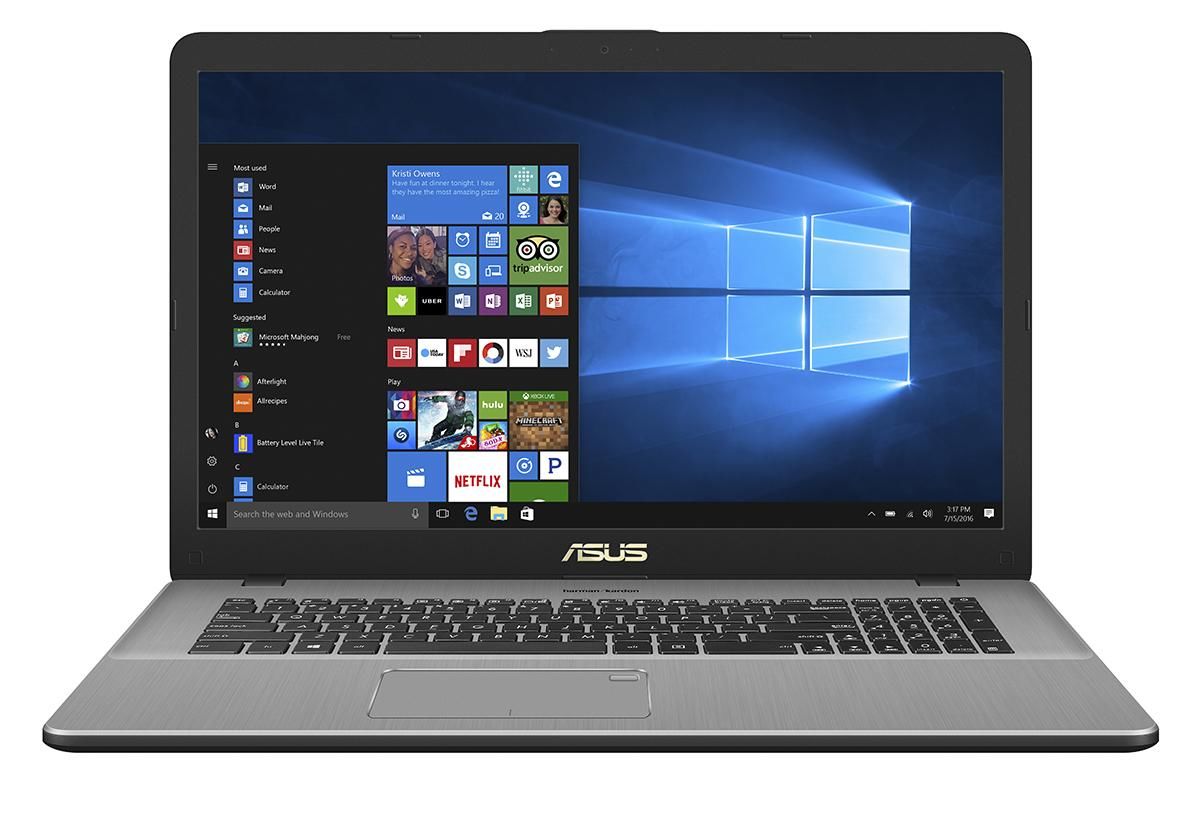
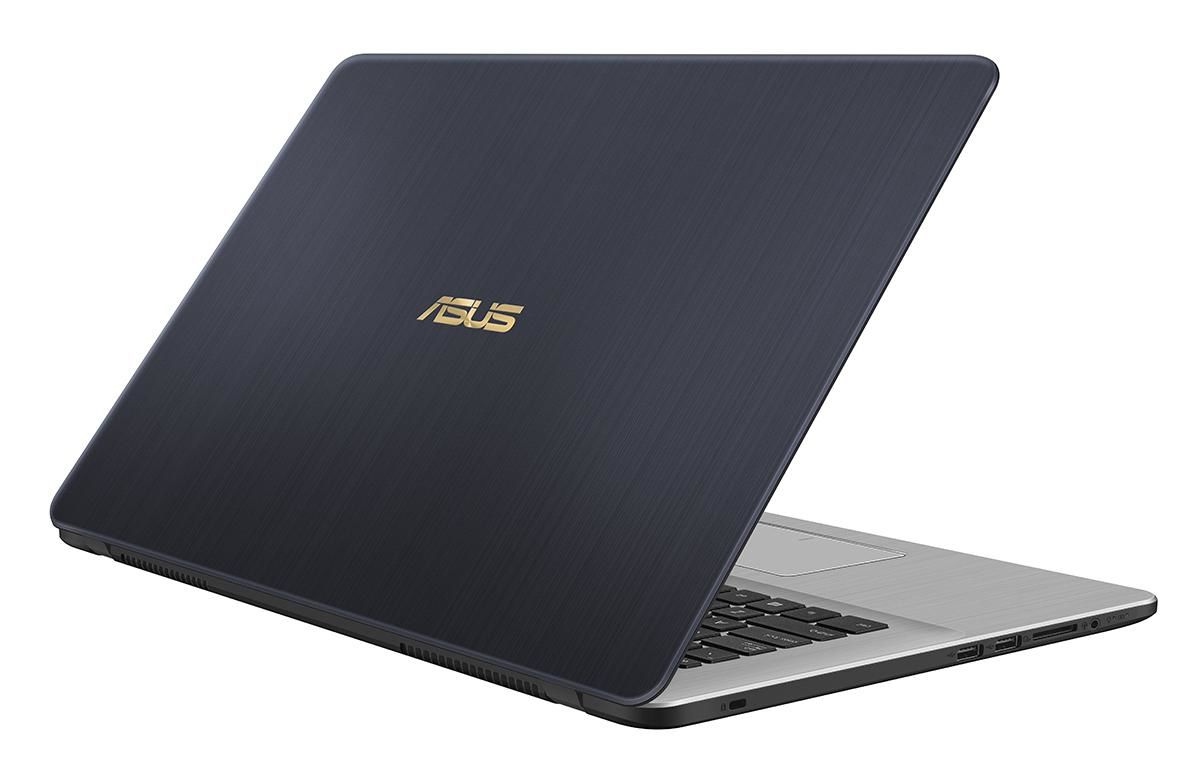
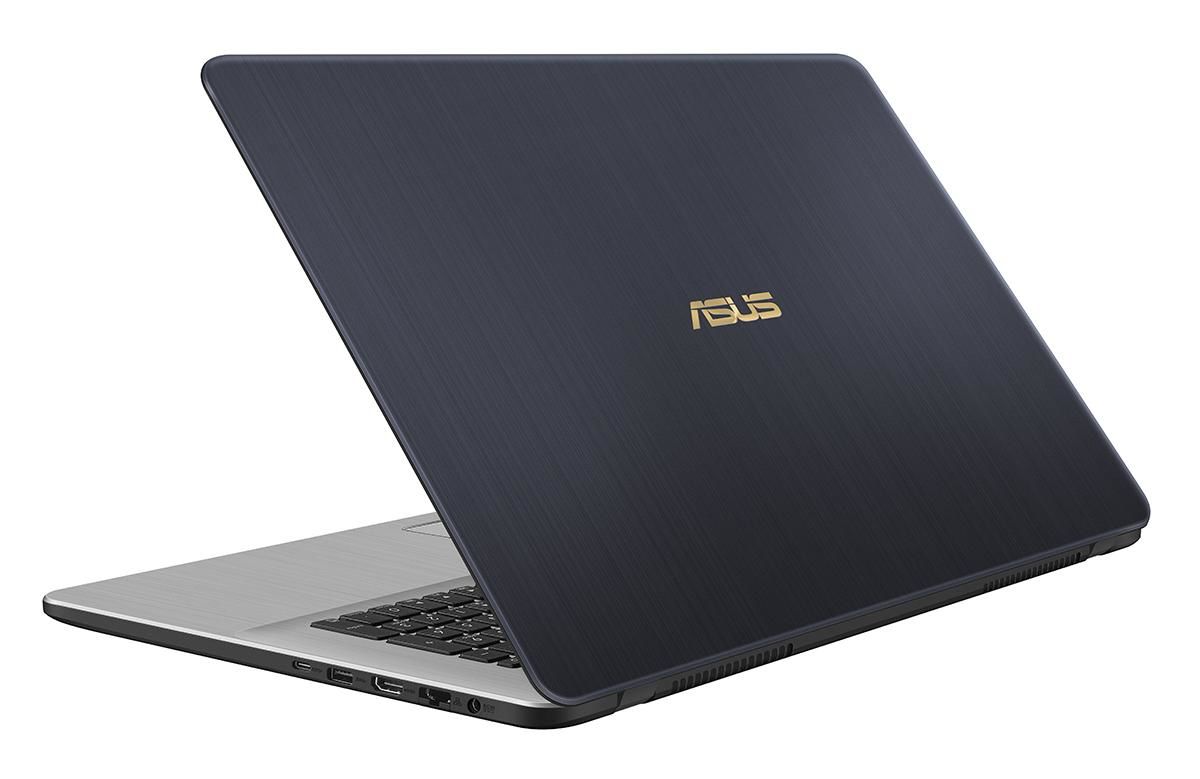
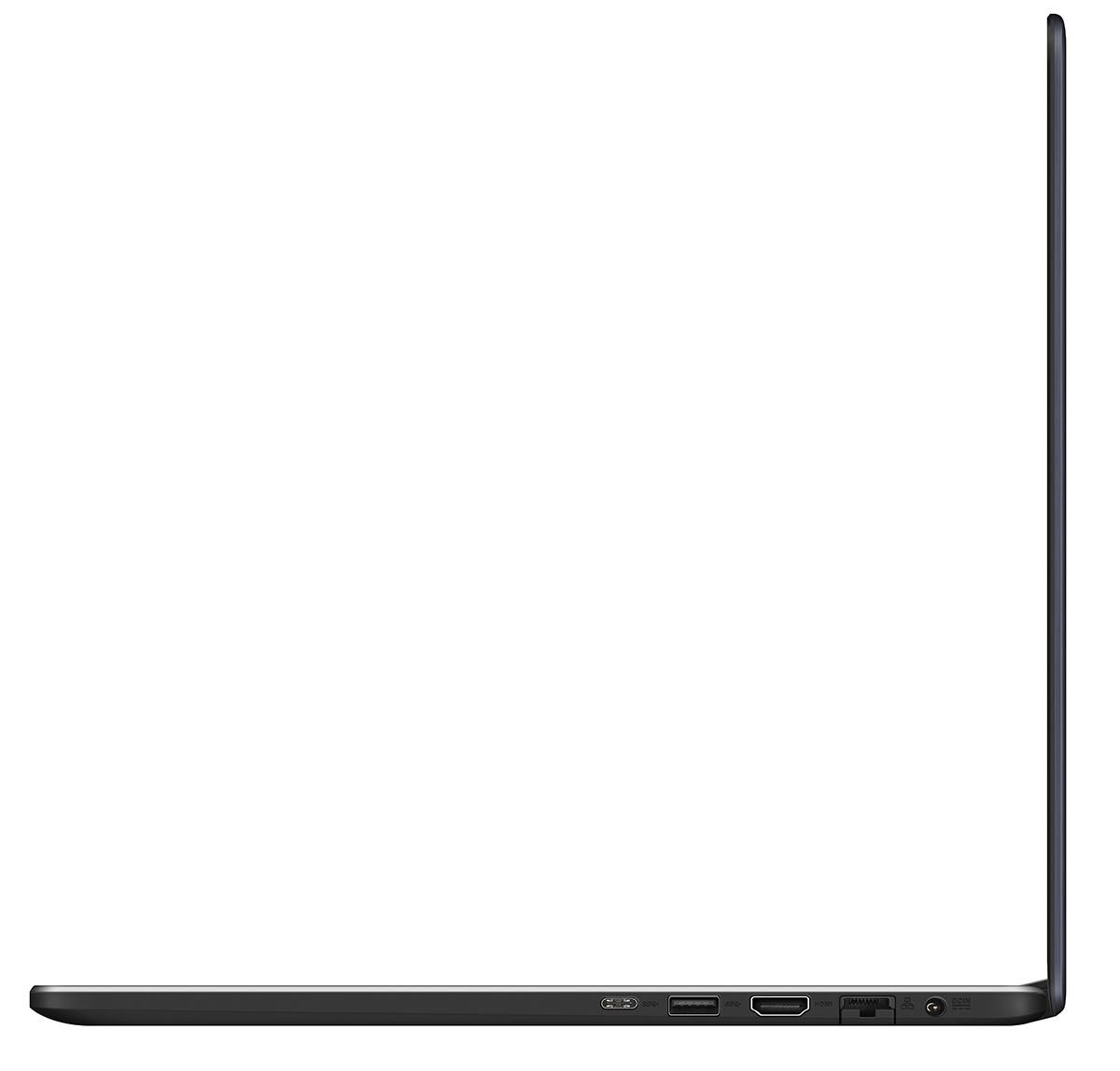
ASUS Vivobook Pro N705FD-GC043T-BE laptop features DDR4-SDRAM memory upgrade specifications with two SO-DIMM slots supporting maximum capacity of 16 GB total. Memory operates at 2400 MHz frequency. Compatible RAM upgrade modules utilize SO-DIMM form factor for this specific model. Specifications indicate upgrade slots accommodate standard DDR4 memory configurations meeting ASUS specifications for Vivobook Pro series N705FD-GC043T-BE units.
Memory Upgrade Specifications
| Specification | Value |
|---|---|
| Memory slots | 2x SO-DIMM |
| Form factor | SO-DIMM |
| Memory type | DDR4-SDRAM |
| Frequency | 2400 MHz |
| Maximum RAM | 16 GB |
| Voltage | 1.2V |
| Number of pins | 260-pin |
| Interface | PC4 |
| PC Speed Rating | PC4-2400 (PC4-19200) |
| Bandwidth | 19.2 GB/s |
| Laptop Release date | 17 December 2018 |
Additional Notes
- The 16 GB maximum RAM capacity is constrained by the Intel 8th generation mobile chipset architecture, not by the number of physical slots available.
- Both memory slots must operate at 2400 MHz regardless of module rated speed due to frequency locking by the integrated memory controller.
- Installing memory faster than 2400 MHz will result in automatic downclocking to the supported frequency without performance benefit.
- Single-channel memory operation will halve theoretical memory bandwidth until a second matched module populates the empty slot.
- The SO-DIMM form factor prohibits use of standard desktop DIMM modules due to physical pin count and notch position differences.
- Memory upgrades exceeding 16 GB total capacity may prevent POST completion or cause system instability regardless of individual module density.
- Dual-channel configuration requires identical speed and timing specifications across both slots to avoid forced single-channel fallback mode.
- Non-matching memory modules can force the memory controller to operate at the lowest common timings, introducing latency penalties.
- The DDR4 generation specification excludes backward compatibility with DDR3 or DDR3L modules due to voltage and signaling protocol differences.
- Accessing the SO-DIMM slots typically requires bottom panel removal, which may void warranty seals depending on regional service policies.
- ECC memory modules are incompatible with this consumer-grade platform due to lack of error-correction support in the mobile chipset.
- Mismatched module capacities between slots will limit dual-channel operation to the size of the smaller module, operating remaining capacity in single-channel mode.