DELL Inspiron 3535 RAM upgrade specifications



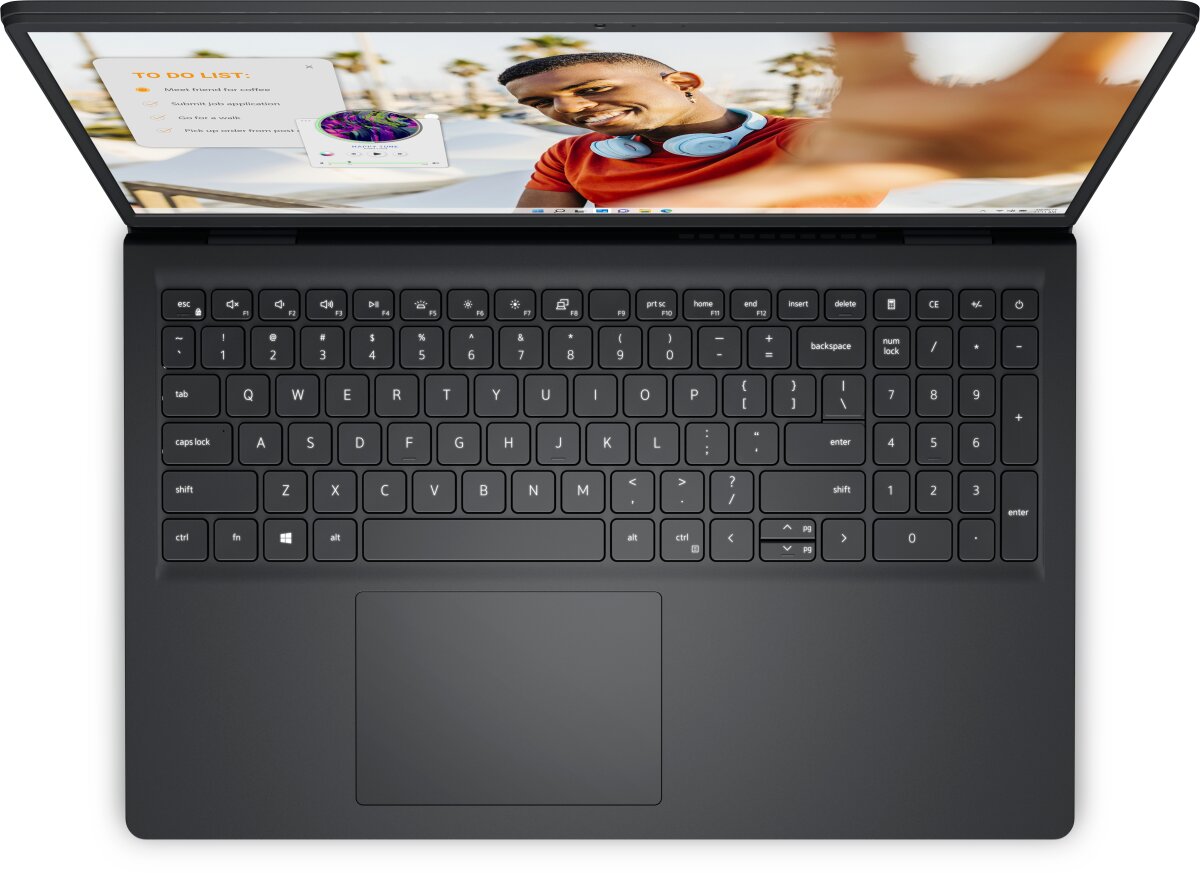
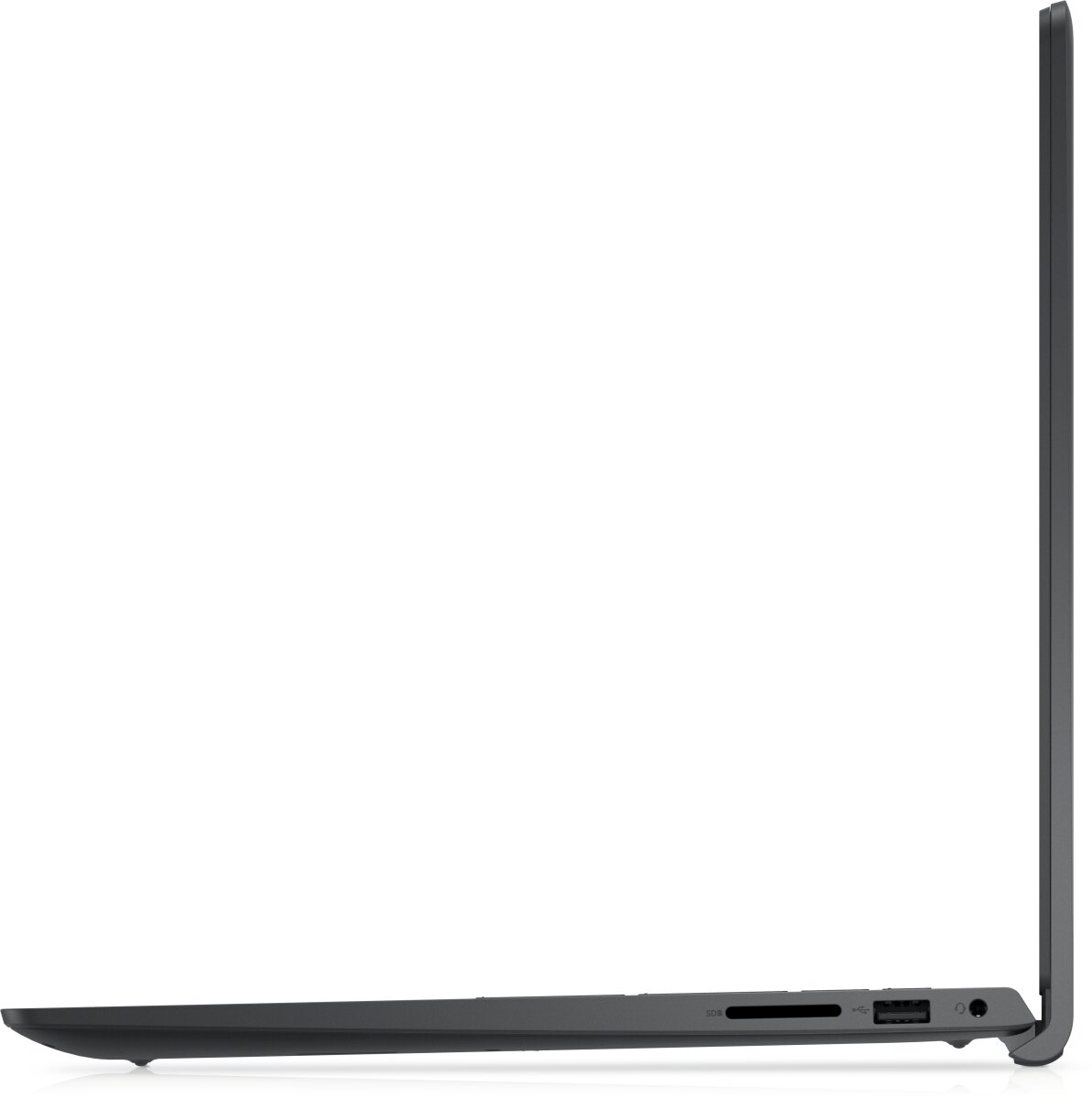
Dell Inspiron 3000 Series Model 3535 RAM upgrade specifications include DDR4-SDRAM memory compatible with 2x SO-DIMM slots. Maximum memory capacity reaches 16 GB total. Memory modules operate at 3200 MHz frequency using the SO-DIMM form factor. Upgrade options support standard DDR4 specifications for memory expansion within the stated maximum capacity limitations.
Memory Upgrade Specifications
| Specification | Value |
|---|---|
| Memory slots | 2x SO-DIMM |
| Form factor | SO-DIMM |
| Memory type | DDR4-SDRAM |
| Frequency | 3200 MHz |
| Maximum RAM | 16 GB |
| Voltage | 1.2V |
| Number of pins | 260-pin |
| Interface | PC4 |
| PC Speed Rating | PC4-3200 (PC4-25600) |
| Bandwidth | 25.6 GB/s |
Additional Notes
- The DDR4-3200 specification indicates this DELL Inspiron 3535 operates on a non-upgraded platform, as DDR5 variants in the same chassis generation support higher frequencies and improved power efficiency.
- The 16 GB ceiling across 2 slots restricts dual-channel configurations to either 2x8 GB or asymmetric pairings like 4 GB + 12 GB, though the latter introduces performance penalties in bandwidth-sensitive workloads.
- SO-DIMM modules rated below 3200 MHz will function but default to their native speed rather than the system's supported ceiling, reducing memory bandwidth proportionally.
- Mixing modules with different CAS latencies (CL22 vs. CL19) forces the memory controller to adopt the slower timing across all installed RAM, degrading access speeds even when frequency remains matched.
- Unbuffered non-ECC SO-DIMMs remain the only compatible architecture, as registered or ECC variants introduce electrical incompatibilities with consumer-grade memory controllers.
- Single-rank versus dual-rank module topology affects interleaving efficiency, with dual-rank configurations offering marginal bandwidth improvements in memory-intensive applications despite identical capacity and frequency ratings.
- Operating voltage must remain within the DDR4 standard 1.2V envelope, as higher-voltage XMP/overclocked modules may either fail POST routines or throttle to JEDEC fallback speeds.
- The physical SO-DIMM retention mechanism requires 30-degree insertion angles, and reverse installation attempts risk damaging both the module notch key and motherboard slot guides.
- Warranty preservation depends on avoiding forced insertions or third-party tools during installation, as socket damage from improper seating techniques falls outside standard coverage terms.
- Thermal headroom in compact chassis designs means sustained memory operations at 3200 MHz generate approximately 15-20% more heat than DDR4-2666 alternatives, potentially affecting module longevity in poorly ventilated environments.