DELL Inspiron 5625 RAM upgrade specifications



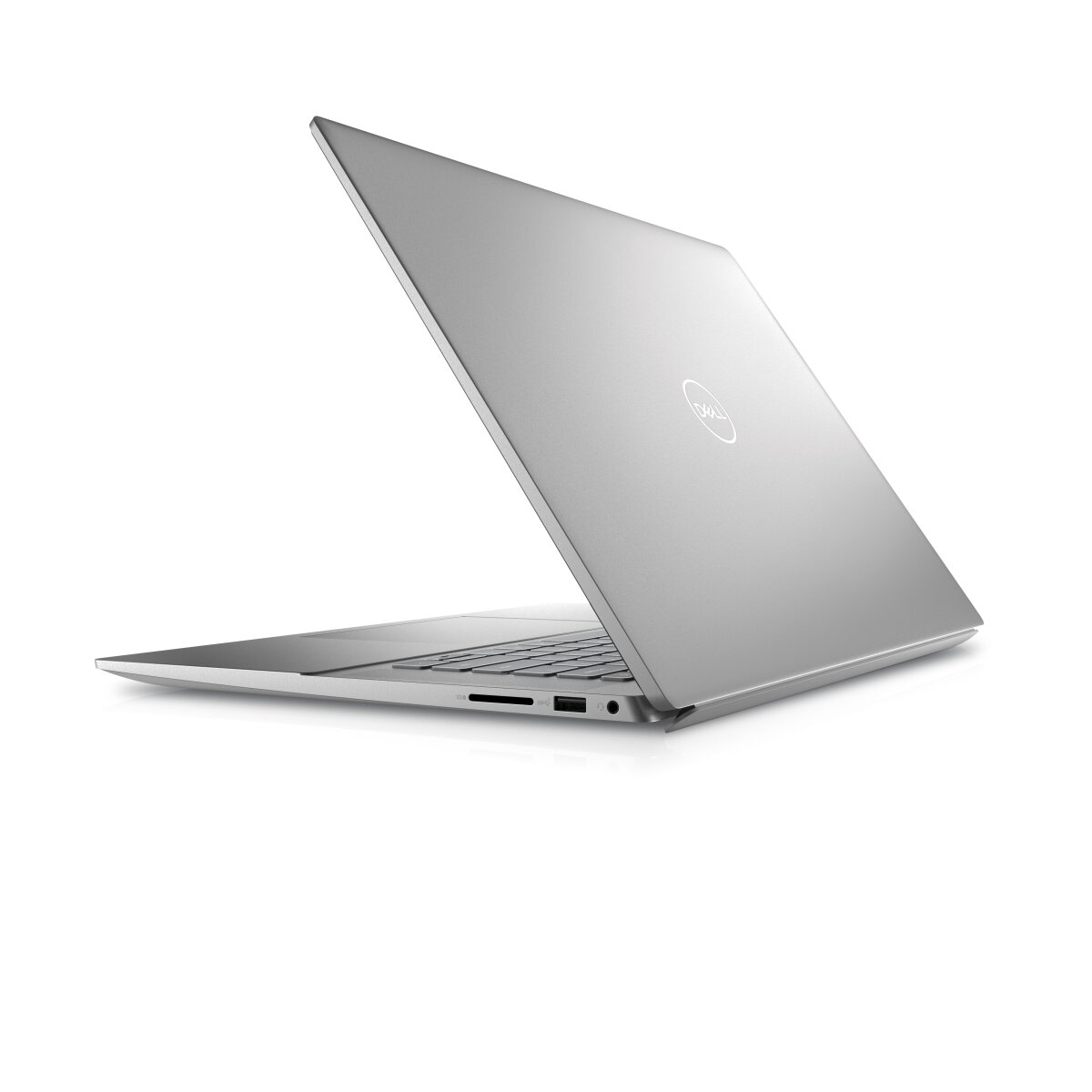
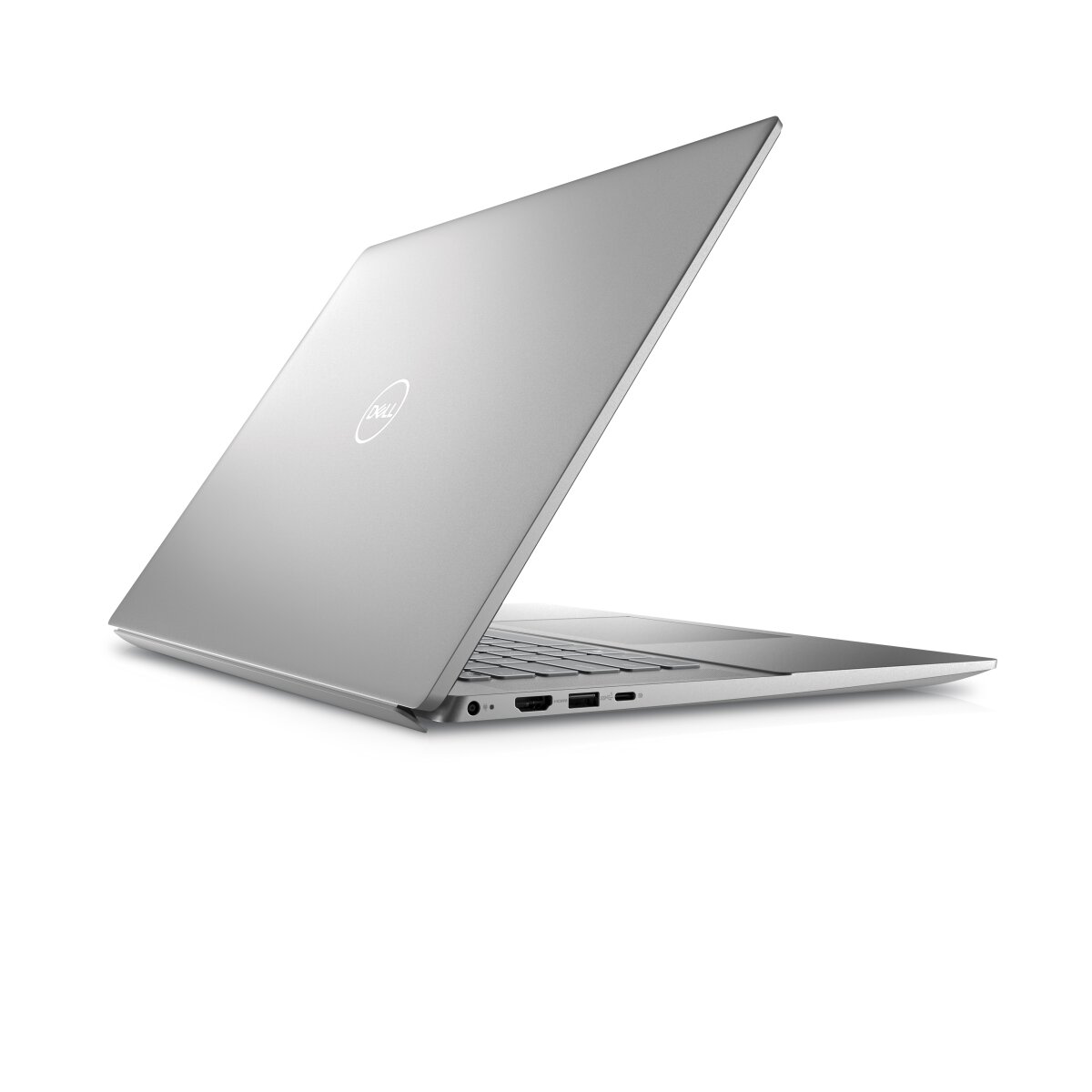
Dell Inspiron 5000 Series model 5625 supports DDR4-SDRAM memory upgrades with maximum capacity of 32 GB. The laptop features 2x SO-DIMM slots for memory expansion. Compatible RAM specifications include DDR4-SDRAM operating at 3200 MHz frequency with SO-DIMM form factor. Upgrade slots accommodate standard notebook memory modules for enhanced system performance and multitasking capabilities.
Memory Upgrade Specifications
| Specification | Value |
|---|---|
| Memory slots | 2x SO-DIMM |
| Form factor | SO-DIMM |
| Memory type | DDR4-SDRAM |
| Frequency | 3200 MHz |
| Maximum RAM | 32 GB |
| Voltage | 1.2V |
| Number of pins | 260-pin |
| Interface | PC4 |
| PC Speed Rating | PC4-3200 (PC4-25600) |
| Bandwidth | 25.6 GB/s |
| Laptop Release date | 11 March 2022 |
Additional Notes
- The DELL Inspiron 5625 system architecture imposes a 32 GB total memory ceiling, limiting each SO-DIMM slot to a maximum 16 GB module regardless of higher density availability.
- DDR4-3200 represents the validated frequency specification, though actual operating speed depends on processor memory controller capabilities and may downclock modules rated above 3200 MHz.
- Dual SO-DIMM configuration enables dual-channel memory operation when matched modules populate both slots, effectively doubling memory bandwidth compared to single-channel arrangements.
- Physical access to memory slots typically requires complete bottom panel removal on this chassis design, necessitating attention to standoff locations and internal cable routing during reassembly.
- Mixing module capacities or speeds across the 2 slots forces the memory controller to operate all modules at the lowest common frequency and may disable dual-channel mode.
- Voltage compatibility requires DDR4 modules adhering to the 1.2V standard specification, as non-standard voltage modules risk system instability or POST failure.
- Third-party memory installation generally preserves warranty coverage under Magnuson-Moss provisions, though OEM-specific implementations should be verified against regional service policies.
- SO-DIMM latency ratings (CAS timings) affect real-world performance, with tighter timings at the same 3200 MHz frequency reducing memory access delays in latency-sensitive applications.
- Module rank configuration (single-rank versus dual-rank) influences memory controller load characteristics, with some systems exhibiting marginal stability differences at maximum capacity.