DELL Latitude 3540 RAM upgrade specifications
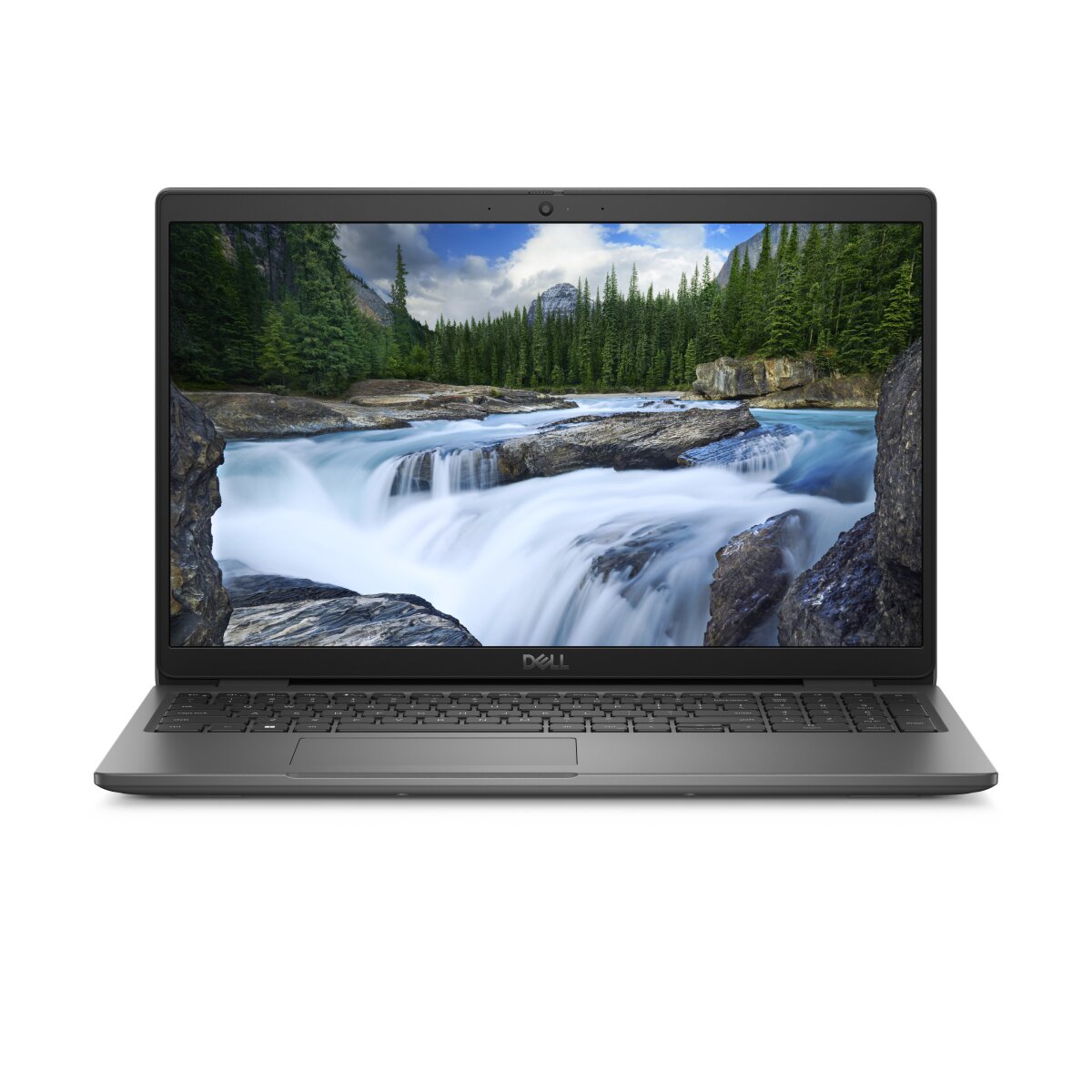
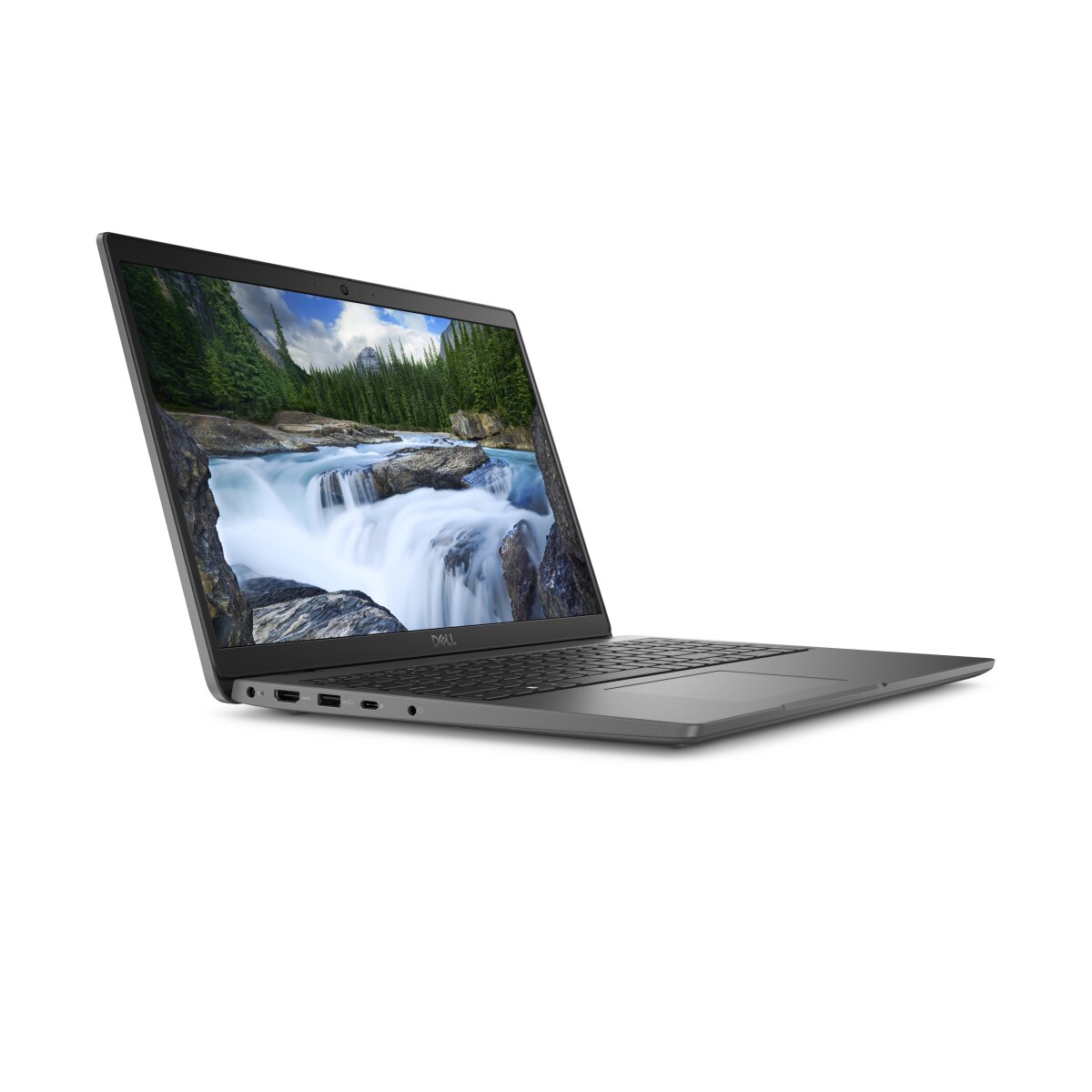
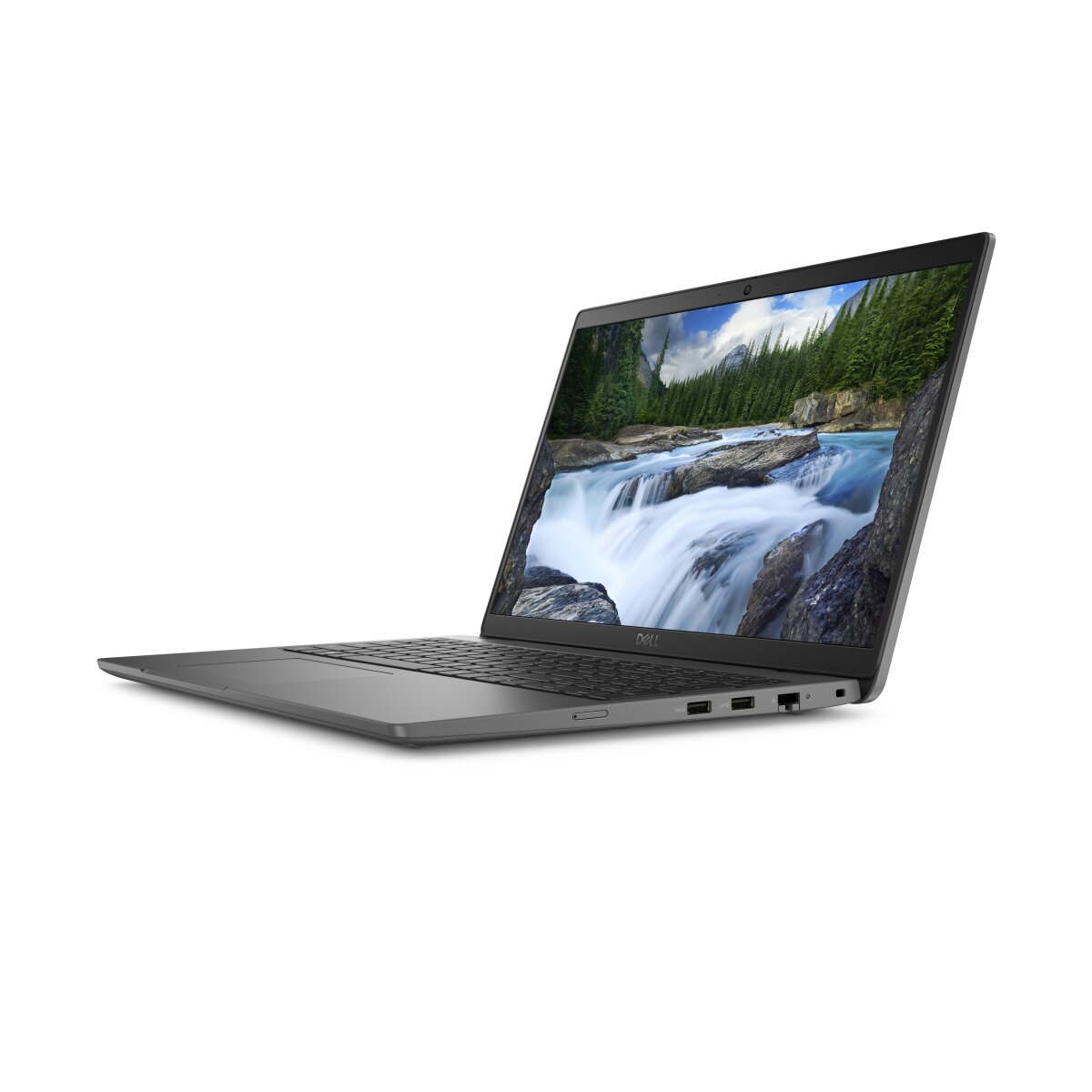
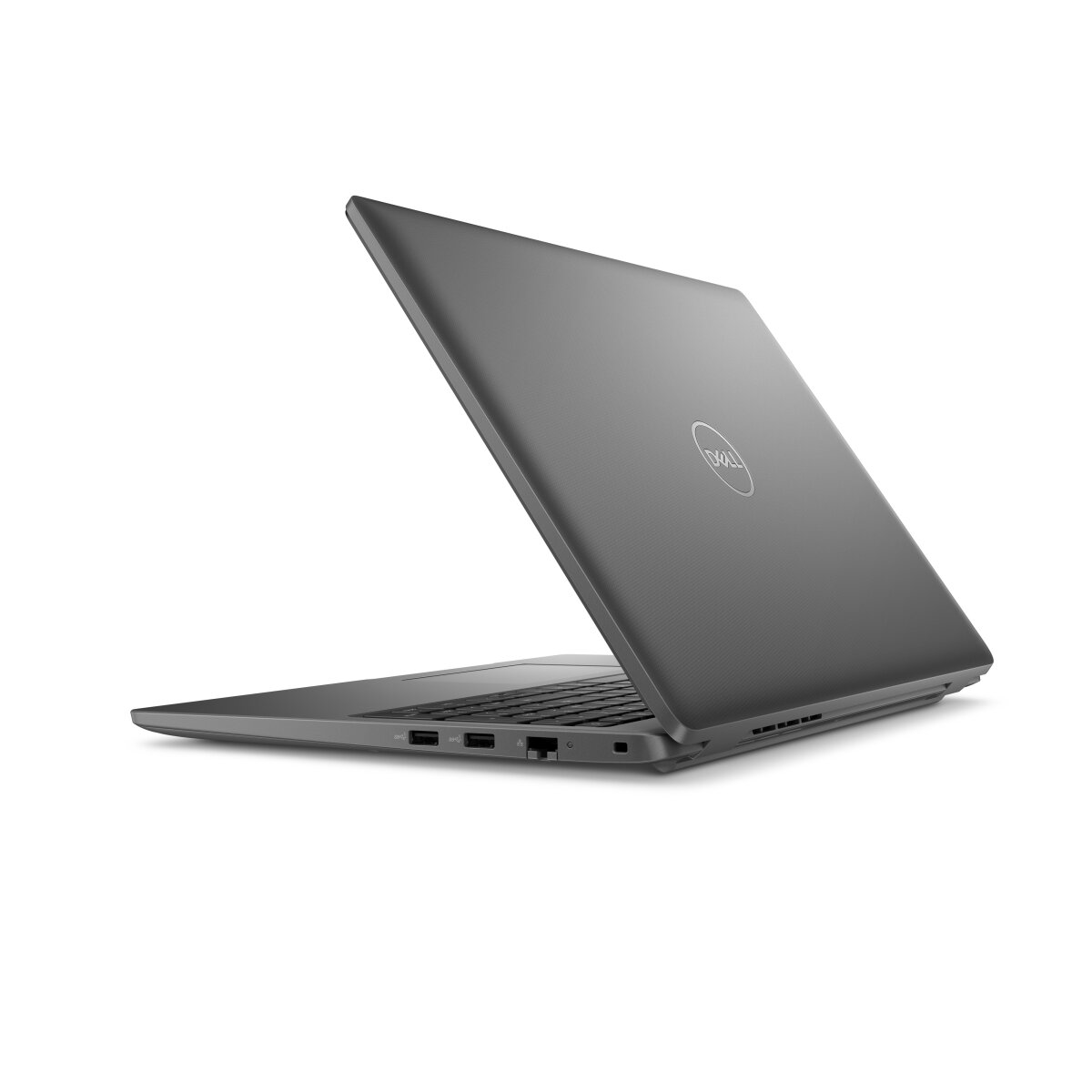
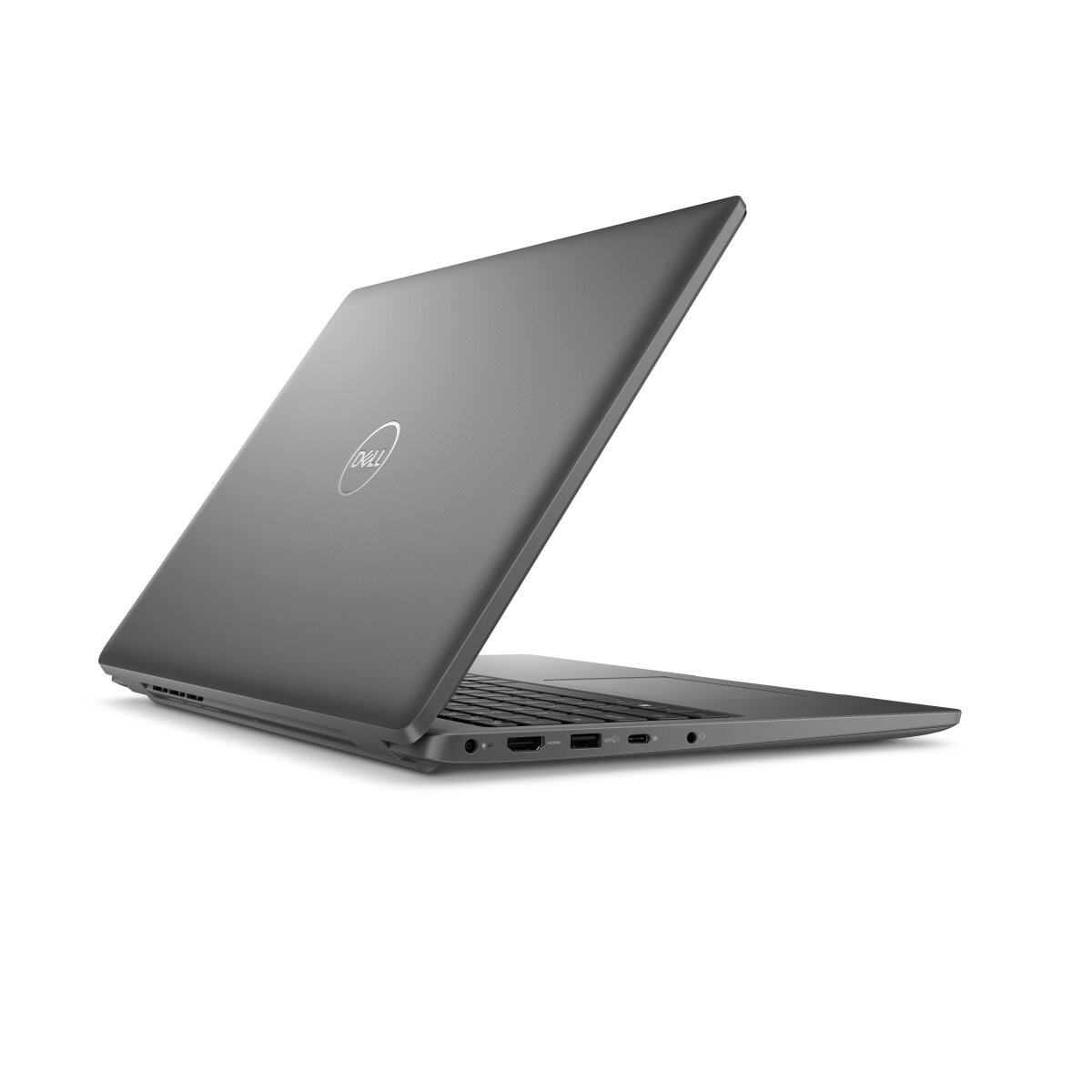
Dell Latitude 3540 laptop supports DDR4-SDRAM memory upgrades with 2x SO-DIMM slots. Maximum memory capacity reaches 64 GB. Compatible memory modules operate at 3200 MHz frequency and utilize SO-DIMM form factor. Upgrade specifications enable users to expand RAM beyond factory configuration for enhanced system performance and multitasking capabilities.
Memory Upgrade Specifications
| Specification | Value |
|---|---|
| Memory slots | 2x SO-DIMM |
| Form factor | SO-DIMM |
| Memory type | DDR4-SDRAM |
| Frequency | 3200 MHz |
| Maximum RAM | 64 GB |
| Voltage | 1.2V |
| Number of pins | 260-pin |
| Interface | PC4 |
| PC Speed Rating | PC4-3200 (PC4-25600) |
| Bandwidth | 25.6 GB/s |
| Laptop Release date | 01 April 2023 |
Additional Notes
- DDR4-SDRAM operates at 3200 MHz, establishing a memory bandwidth ceiling of 51.2 GB/s per channel. Upgrade modules must match this frequency to avoid forced downclocking to the slowest module's speed, resulting in potential 15-20% performance degradation in memory-intensive workflows.
- The Dell Latitude 3540 contains 2 SO-DIMM slots with a 64 GB aggregate ceiling. Upgrading to maximum capacity requires replacing existing modules rather than supplementing them, as single-slot population leaves no expansion room beyond initial configuration.
- SO-DIMM form factor is physically smaller than standard UDIMM, measuring 67.6 mm in length. Clearance constraints beneath the keyboard or near heatsinks may limit module height to 30 mm or less; taller aftermarket modules risk contact with internal components during reinstallation.
- Mixing DDR4 modules of different capacities (for example, 8 GB plus 16 GB) activates dual-channel operation only for the lower capacity, degrading the 16 GB module to single-channel performance. Symmetrical pairing maximizes throughput utilization across both slots.
- Non-ECC DDR4-SDRAM is standard for this business-class laptop line. ECC modules are incompatible with the memory controller and will either fail to initialize or force fallback to non-ECC mode, negating error-correction benefits.
- BIOS updates may impose stricter module validation protocols, potentially refusing to boot with older-generation DDR4 modules that use non-standard voltage profiles. Verification against the latest BIOS changelog prevents unexpected incompatibility after firmware updates.