DELL Latitude 3570 RAM upgrade specifications
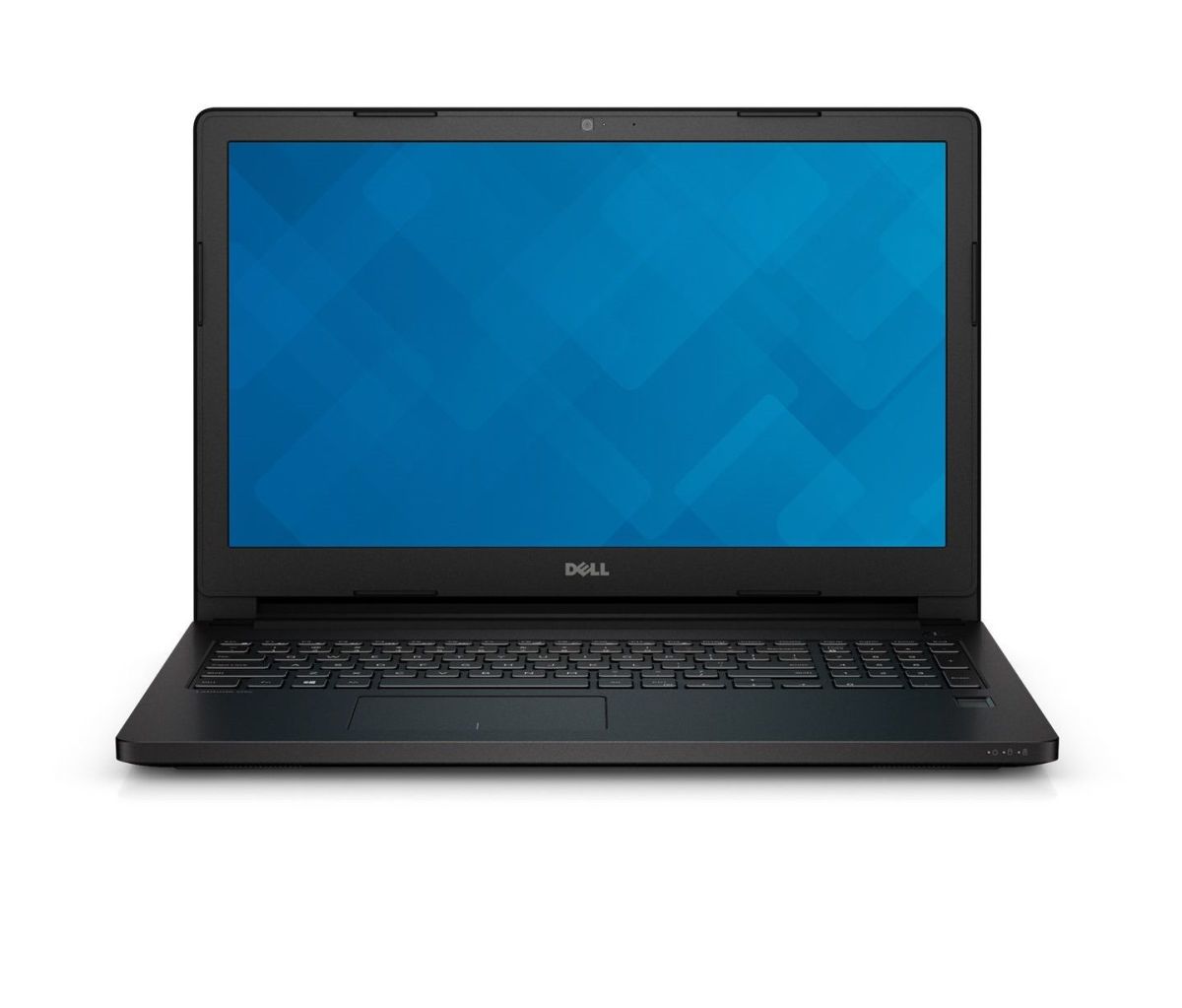
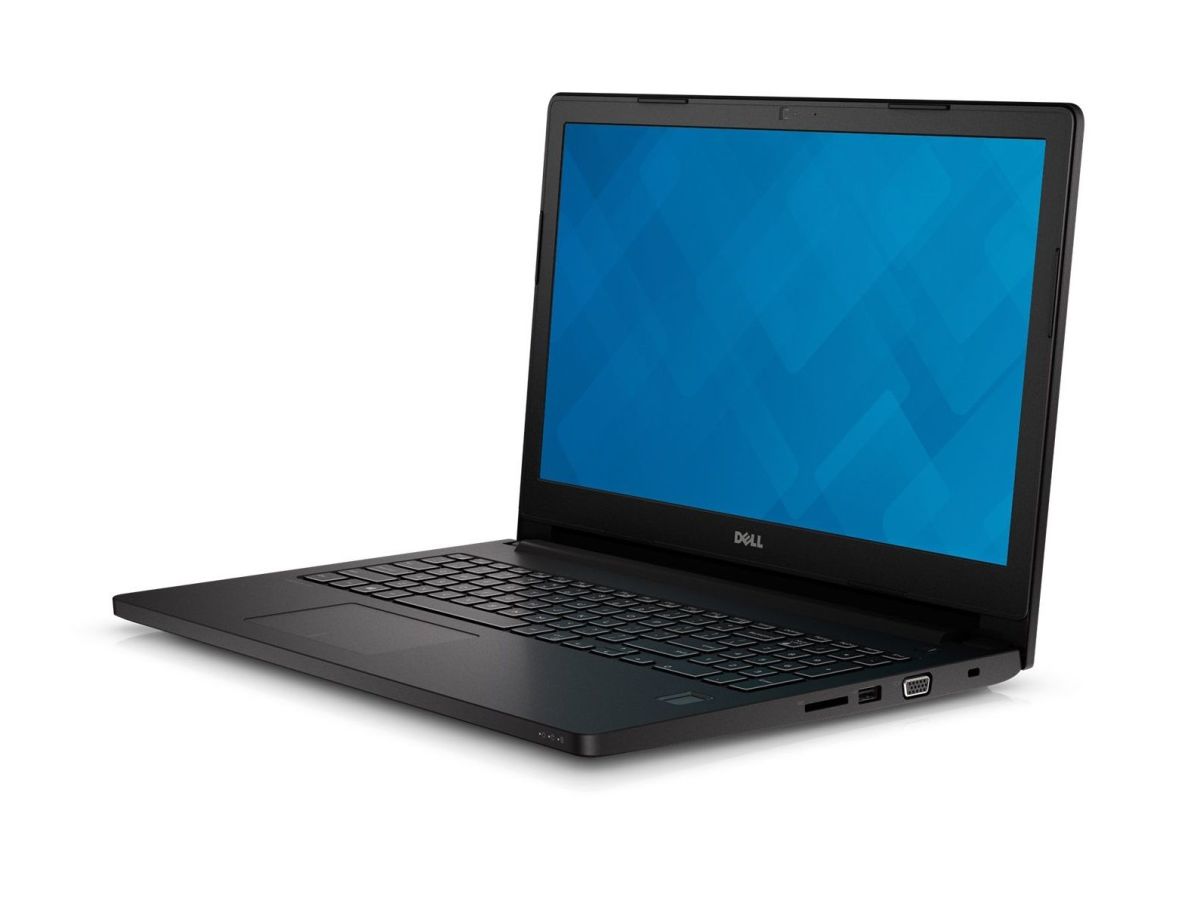
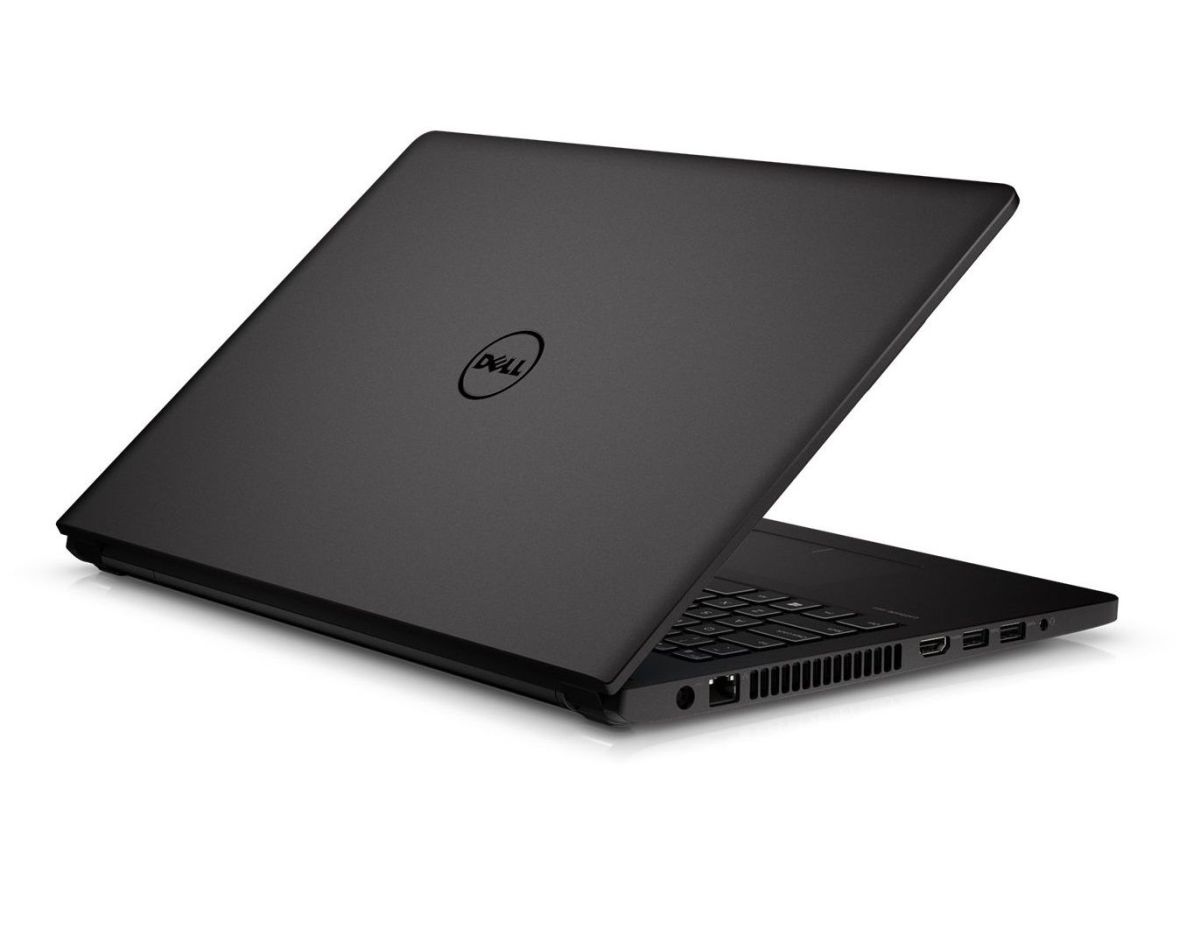

DELL Latitude 3000 Series model 3570 supports DDR3L-SDRAM memory upgrades with specifications of 2x SO-DIMM slots capable of maximum 16 GB total capacity. Compatible memory modules operate at 1600 MHz frequency. Existing memory can be expanded using standard SO-DIMM form factor upgrades. Maximum supported RAM capacity is 16 GB across both available memory slots. Specifications define compatibility requirements for RAM upgrade modules on this Latitude 3570 laptop model.
Memory Upgrade Specifications
| Specification | Value |
|---|---|
| Memory slots | 2x SO-DIMM |
| Form factor | SO-DIMM |
| Memory type | DDR3L-SDRAM |
| Frequency | 1600 MHz |
| Maximum RAM | 16 GB |
| Voltage | 1.35V (Low Voltage) |
| Number of pins | 204-pin |
| Interface | PC3L |
| PC Speed Rating | PC3L-1600 (PC3L-12800) |
| Bandwidth | 12.8 GB/s |
| Laptop Release date | 23 August 2017 |
Additional Notes
- The DDR3L specification requires low-voltage modules operating at 1.35V rather than standard 1.5V DDR3, preventing compatibility with non-L variants despite identical physical form factors.
- The 16 GB maximum capacity limits the system to either 2x8GB modules or asymmetric configurations like 4GB+12GB, with the latter potentially disabling dual-channel mode on some memory controllers.
- 1600 MHz represents PC3L-12800 transfer rate specifications, meaning modules rated at higher frequencies will downclock but maintain compatibility within voltage requirements.
- Dual SO-DIMM slot architecture enables dual-channel memory access only when matched capacity modules populate both slots, otherwise defaulting to single-channel bandwidth.
- SO-DIMM accessibility in the Latitude 3570 typically requires bottom panel removal, though Dell service manuals should be consulted as some configurations may position slots beneath the keyboard assembly.
- Memory upgrades on this model fall within user-serviceable components under Dell warranty terms, unlike soldered RAM configurations found in ultraportable lines.
- The chipset supporting DDR3L-1600 likely predates DDR4 adoption, indicating this platform cannot accept DDR4 modules regardless of adapter attempts due to incompatible electrical signaling.
- Mixing modules with different CAS latencies will force all installed RAM to operate at the slowest timing values present in the configuration.
- Single-rank versus dual-rank module topology affects maximum capacity per slot, with some 8GB SO-DIMMs using dual-rank design that may face chipset limitations on certain motherboard revisions.
- Non-ECC unbuffered modules are required for consumer Latitude models, as registered or error-correcting memory types target server platforms with incompatible memory controllers.