DELL Latitude 3550 RAM upgrade specifications
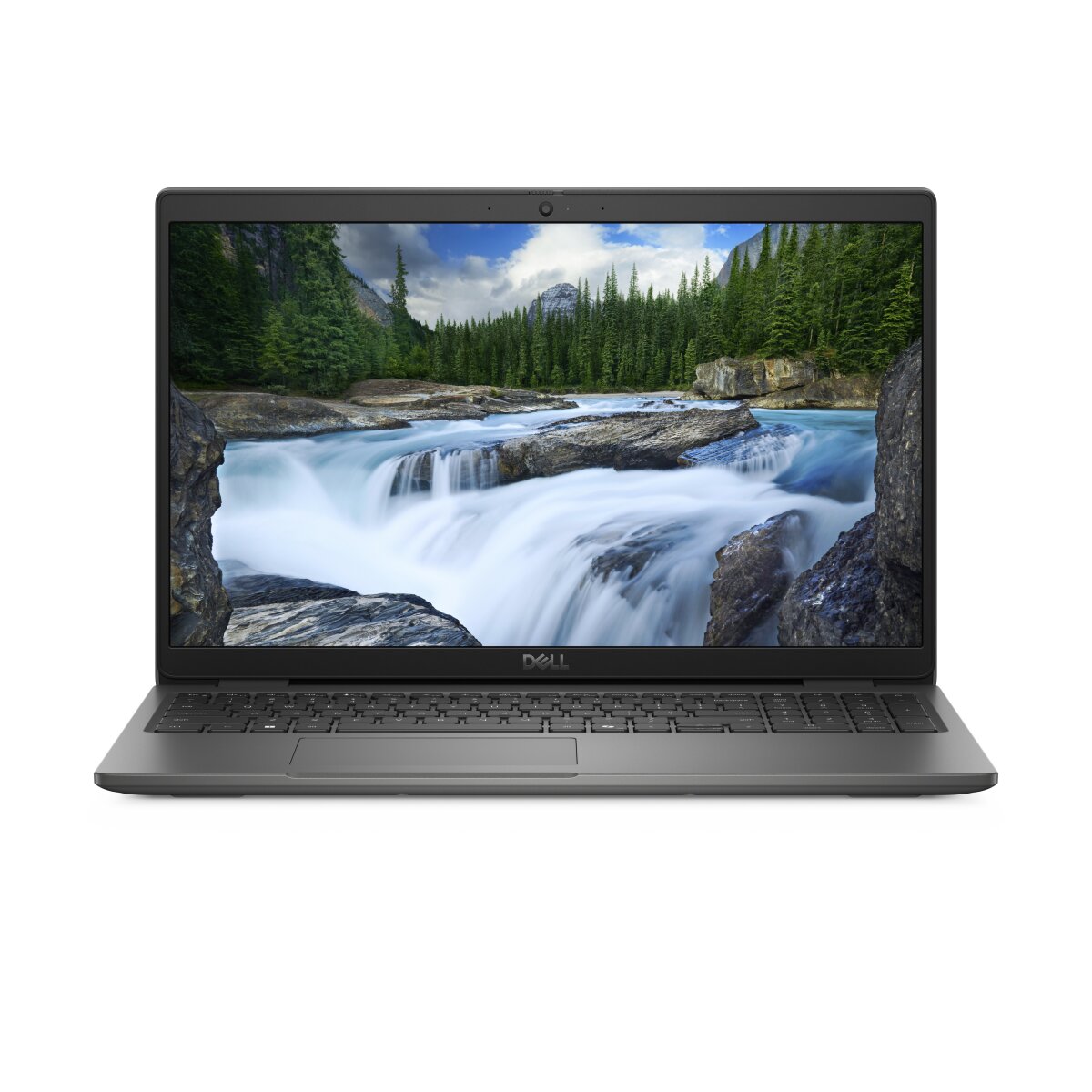
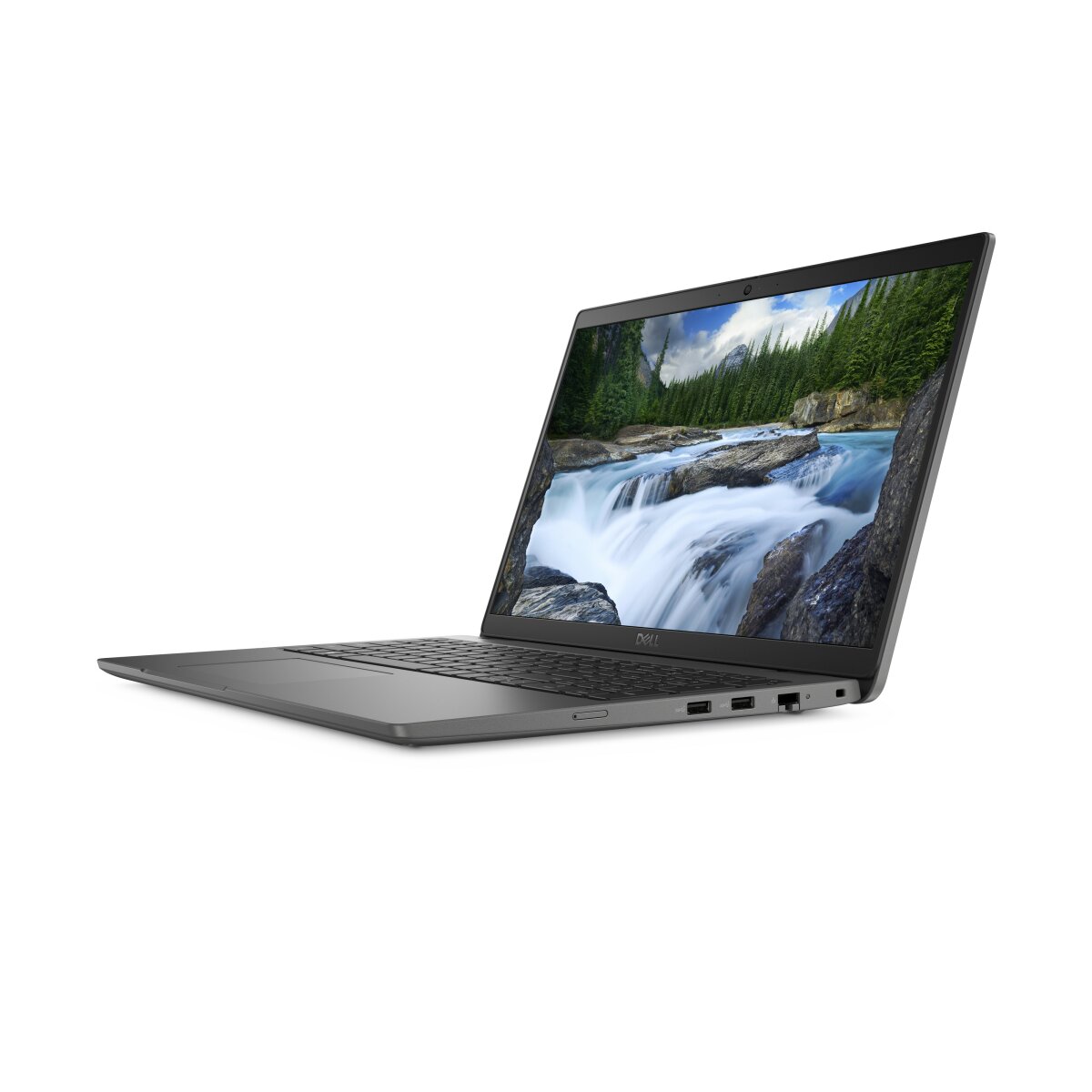
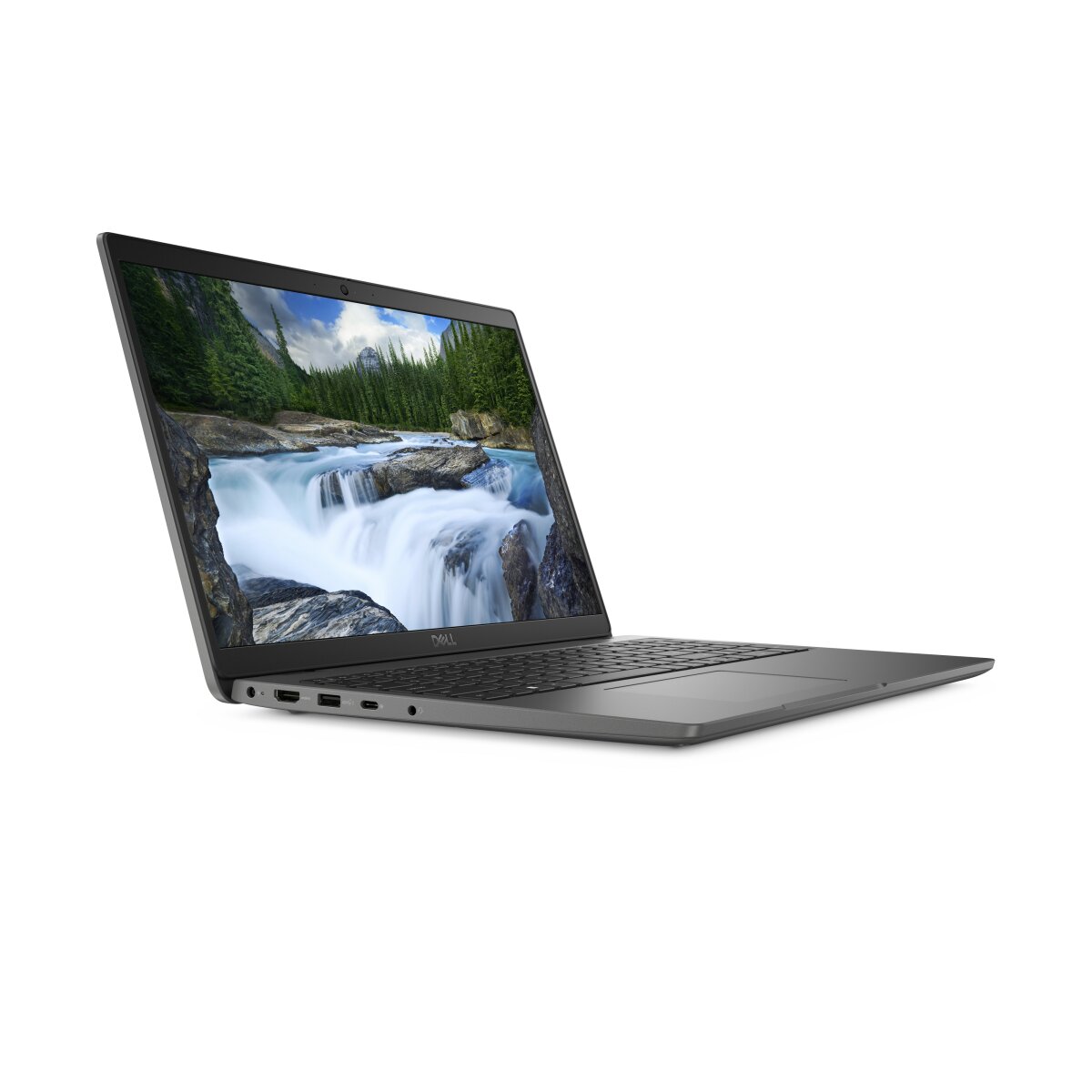
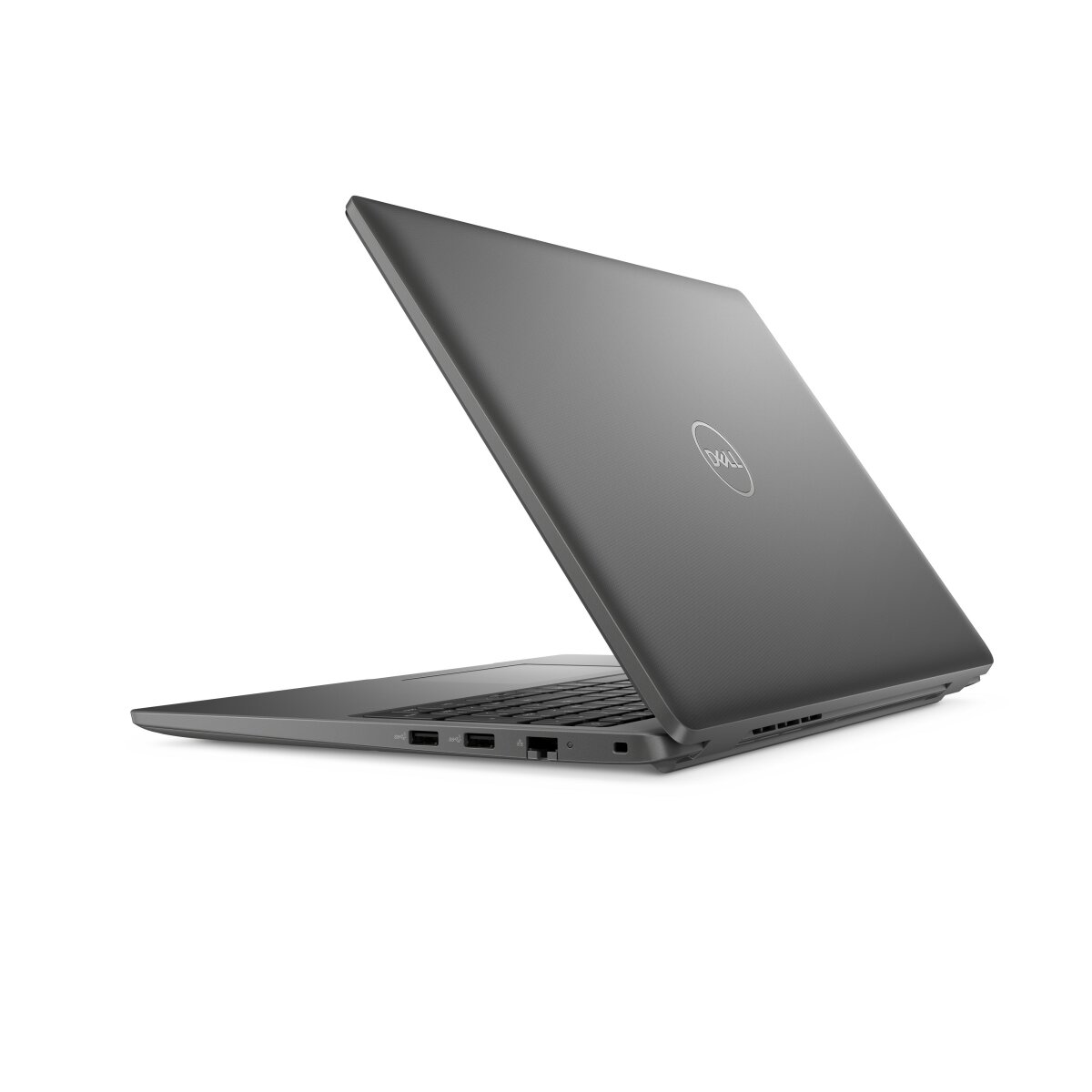
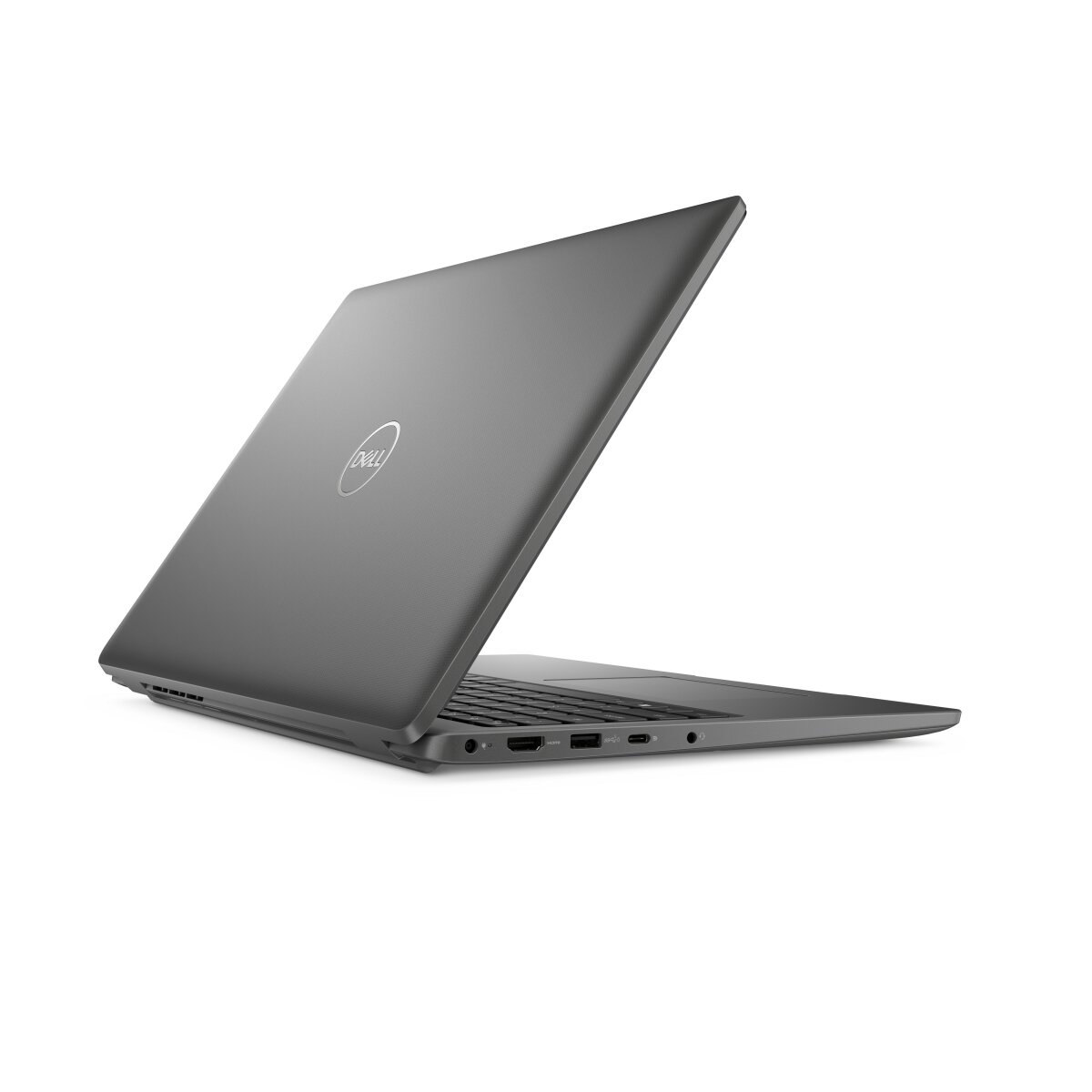
Dell Latitude 3550 laptop memory upgrade specifications include two SO-DIMM slots supporting DDR5-SDRAM modules at 5600 MHz frequency. Maximum RAM capacity reaches 64 GB total. Compatible memory upgrades utilize SO-DIMM form factor specifications. Current configuration and available slot capacity determine upgrade potential for this Dell Latitude 3000 series model.
Memory Upgrade Specifications
| Specification | Value |
|---|---|
| Memory slots | 2x SO-DIMM |
| Form factor | SO-DIMM |
| Memory type | DDR5-SDRAM |
| Frequency | 5600 MHz |
| Maximum RAM | 64 GB |
| Voltage | 1.1V |
| Number of pins | 262-pin |
| Interface | PC5 |
| PC Speed Rating | PC5-5600 (PC5-44800) |
| Bandwidth | 44.8 GB/s |
Additional Notes
- The DELL Latitude 3550 requires DDR5 SO-DIMM modules, which are physically incompatible with older DDR4 slots due to different notch positions and electrical signaling, preventing any cross-generation mixing.
- At 5600 MHz, the memory controller operates at JEDEC standard DDR5-5600 speed, meaning modules rated for higher frequencies will downclock to this baseline unless XMP/EXPO profiles are supported and enabled in BIOS.
- The 64 GB maximum capacity constraint indicates a dual-channel configuration supporting 32 GB modules per slot, requiring matched density modules to avoid performance asymmetry in interleaved mode.
- DDR5 architecture implements on-die ECC internally regardless of module type, but unbuffered SO-DIMMs lack the full RAS features of registered server memory, limiting error correction to single-bit fixes within the chip.
- Dual-channel bandwidth at 5600 MHz delivers 89.6 GB/s theoretical throughput, though real-world performance depends on memory controller efficiency and whether both slots are populated with identical specifications.
- SO-DIMM installation typically requires bottom panel removal and possible battery disconnect on modern ultraportables, where soldered components may occupy nearby PCB space limiting physical access.
- Mixing different module capacities such as 16 GB and 32 GB will function but forces the memory controller into flex mode, reducing performance compared to symmetric configurations.
- DDR5's higher voltage regulation demands compared to DDR4 mean power management integrated circuits on the motherboard govern thermal limits, potentially throttling sustained memory-intensive workloads.
- Warranty preservation typically requires using modules meeting JEDEC specifications rather than extreme overclocking variants, as non-standard voltages may void manufacturer support agreements.
- The absence of ECC designation in standard consumer SO-DIMM configurations means undetected multi-bit errors remain possible during critical operations, unlike workstation-class systems with full ECC validation.