DELL Latitude 5424 RAM upgrade specifications

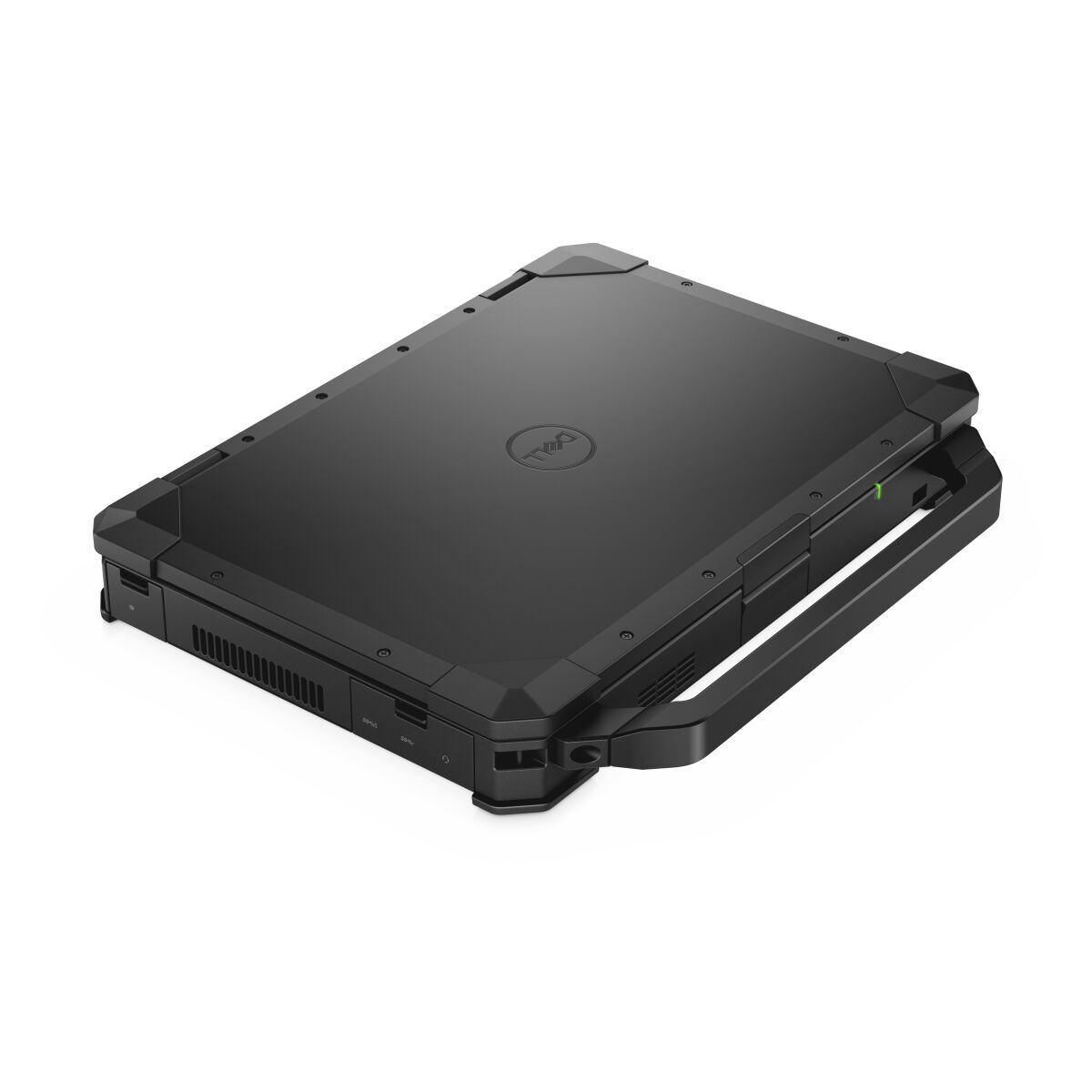

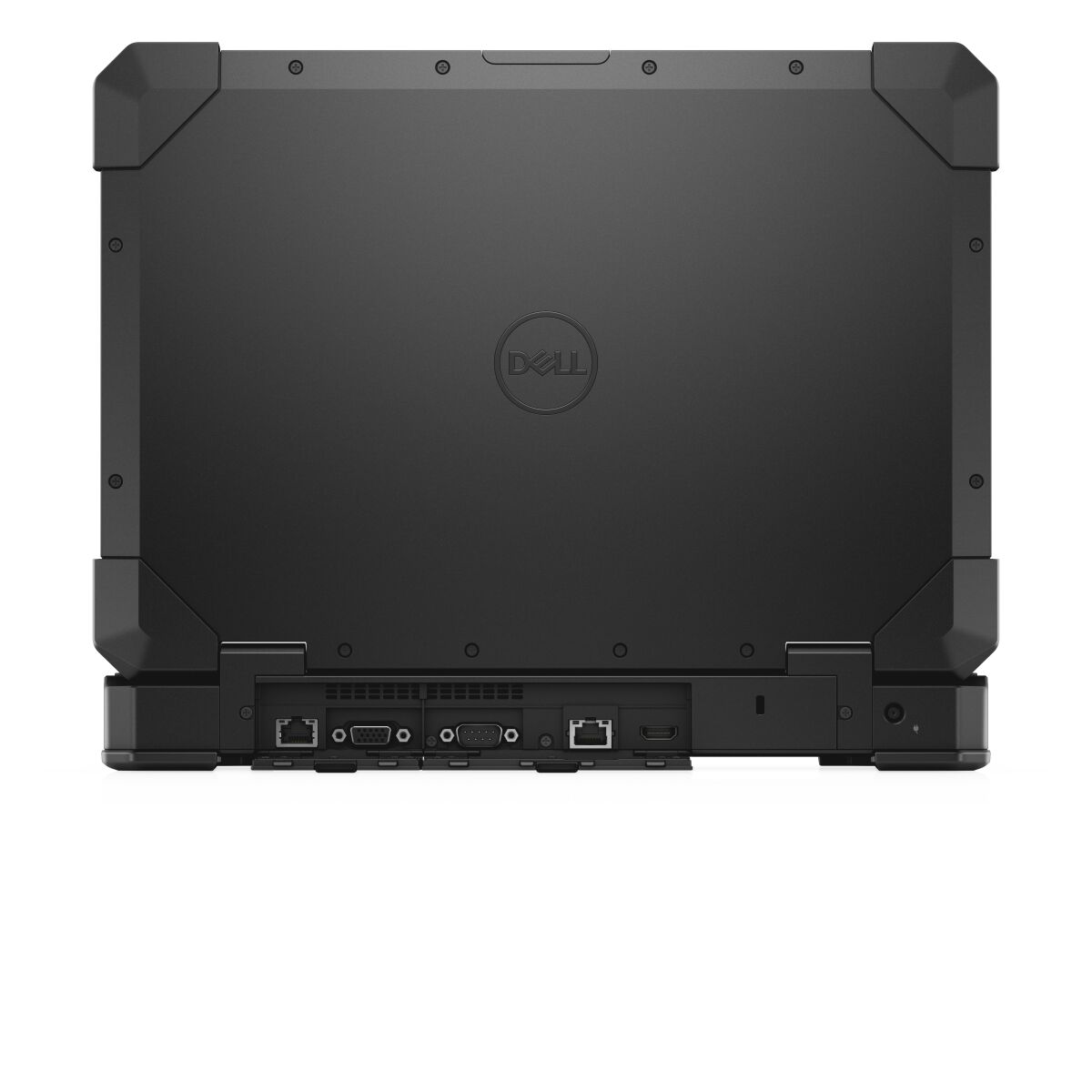
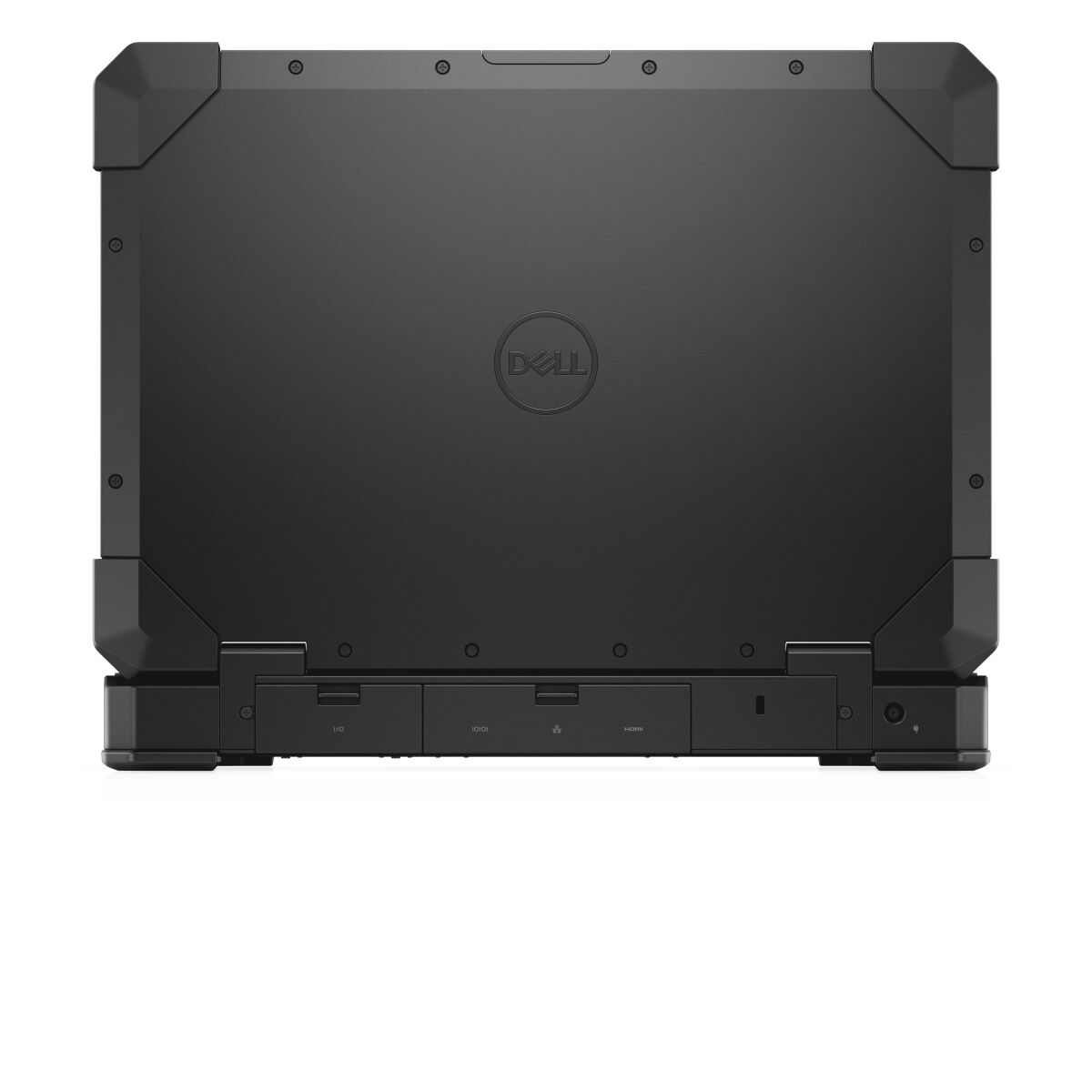
Dell Latitude 5000 series model 5424 supports DDR4-SDRAM memory upgrades through 2x SO-DIMM slots. Maximum RAM capacity reaches 32 GB total. Memory operates at 2400 MHz frequency with SO-DIMM form factor. Compatible RAM upgrades allow expansion from standard configurations to maximum specifications. This laptop model accommodates memory module upgrades for enhanced multitasking and application performance capabilities.
Memory Upgrade Specifications
| Specification | Value |
|---|---|
| Memory slots | 2x SO-DIMM |
| Form factor | SO-DIMM |
| Memory type | DDR4-SDRAM |
| Frequency | 2400 MHz |
| Maximum RAM | 32 GB |
| Voltage | 1.2V |
| Number of pins | 260-pin |
| Interface | PC4 |
| PC Speed Rating | PC4-2400 (PC4-19200) |
| Bandwidth | 19.2 GB/s |
| Laptop Release date | 30 April 2021 |
Additional Notes
- The Dell Latitude 5424 supports DDR4-SDRAM at 2400 MHz, which operates at a lower frequency tier than contemporary DDR4 standards (3200 MHz+). This constrains memory bandwidth to approximately 19.2 GB/s per channel, potentially creating a performance ceiling for memory-intensive workloads such as large dataset processing or concurrent virtualization tasks.
- The 2x SO-DIMM configuration requires matched pairs for optimal dual-channel performance. Installing a single module or mismatched capacity modules will force single-channel operation, reducing effective bandwidth by 50 percent and degrading system responsiveness during memory-intensive operations.
- The 32 GB maximum capacity ceiling is determined by SO-DIMM form factor constraints and firmware limitations. Upgrading beyond 16 GB per module is not supported, establishing a hard upgrade boundary regardless of future DRAM availability.
- SO-DIMM memory modules are physically smaller than full-size DIMMs and require careful insertion at a 45-degree angle followed by pressure to secure retention clips. Access typically involves removing base panels or keyboard assemblies, which may affect warranty coverage if performed outside manufacturer-authorized service.
- Mixing DDR4-2400 MHz modules with faster DDR4 variants (3000 MHz, 3200 MHz) will downclock all memory to the slowest module's specification. This negates any performance benefit from higher-speed modules and should be avoided during incremental upgrades.
- The 2-slot architecture offers no expansion redundancy. A single slot failure eliminates half of the maximum accessible memory capacity, whereas 4-slot systems provide degraded-mode operation alternatives.