DELL Latitude 5430 RAM upgrade specifications
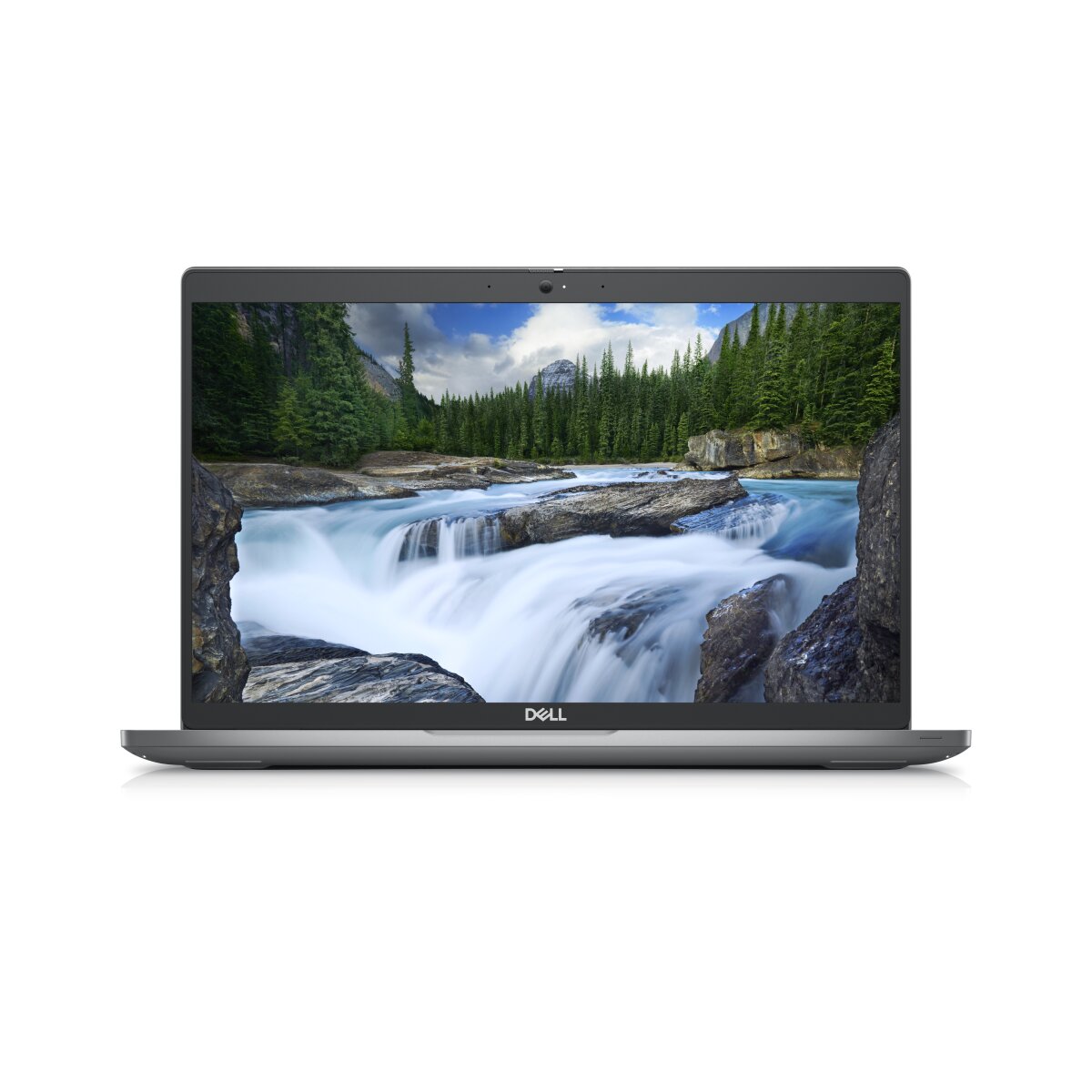
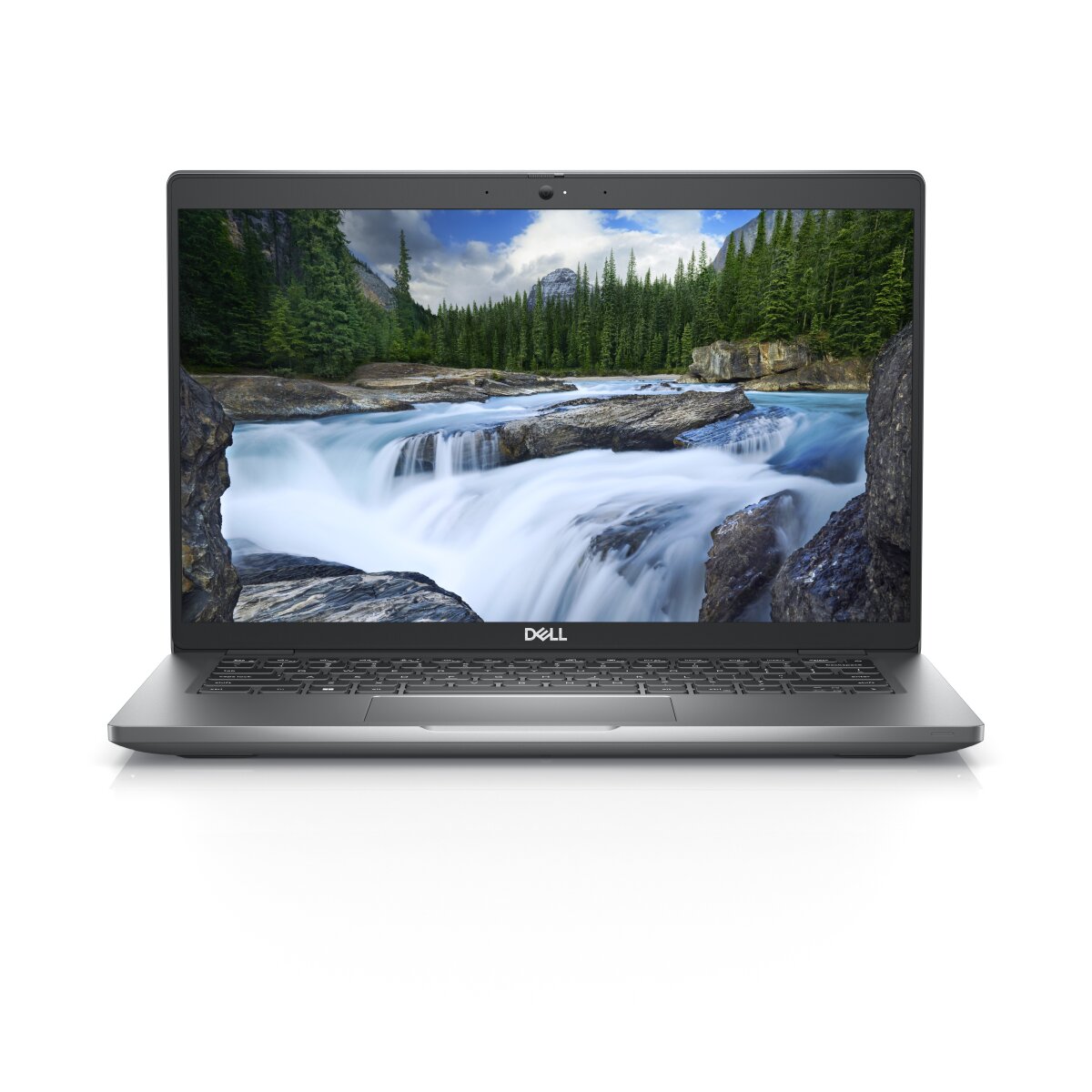
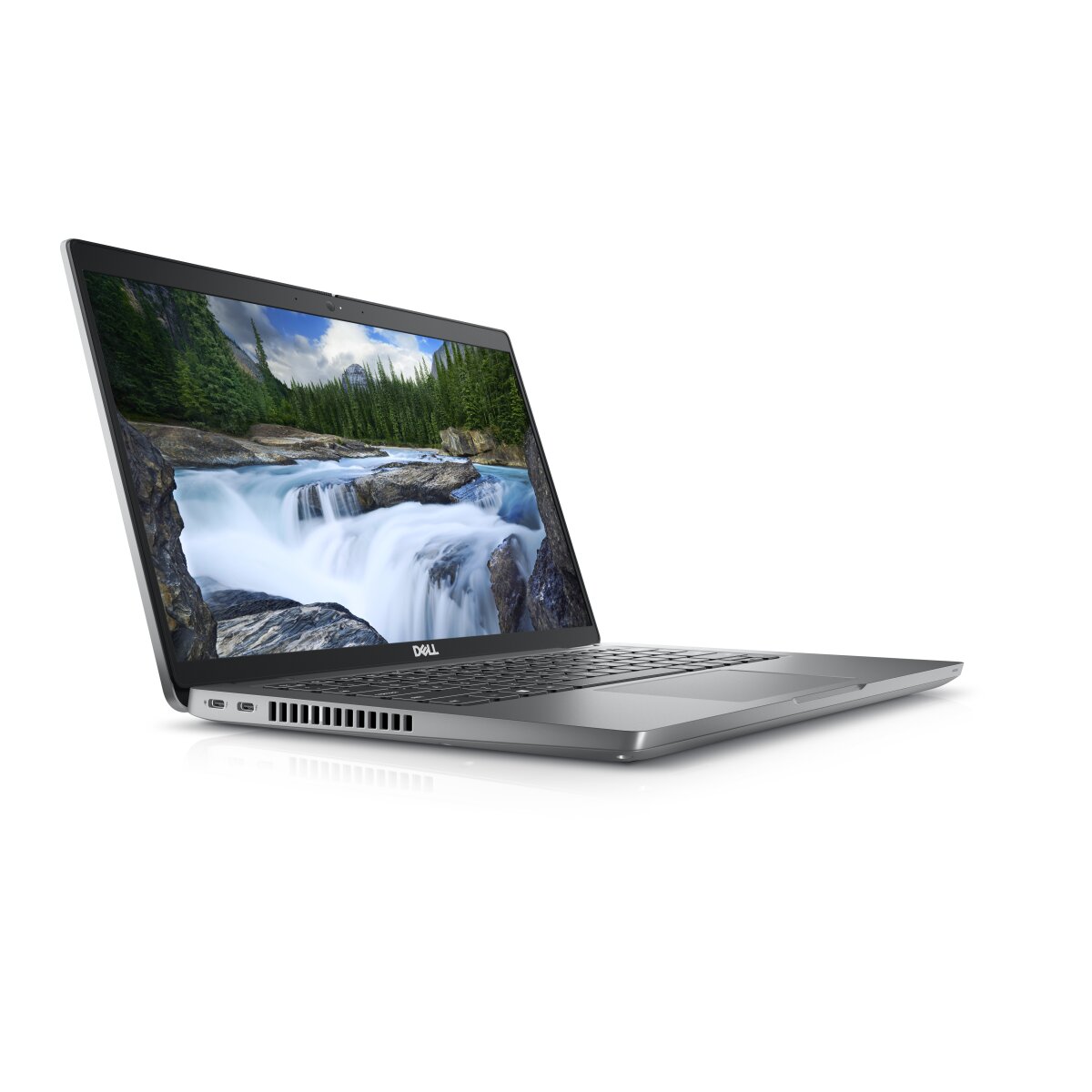
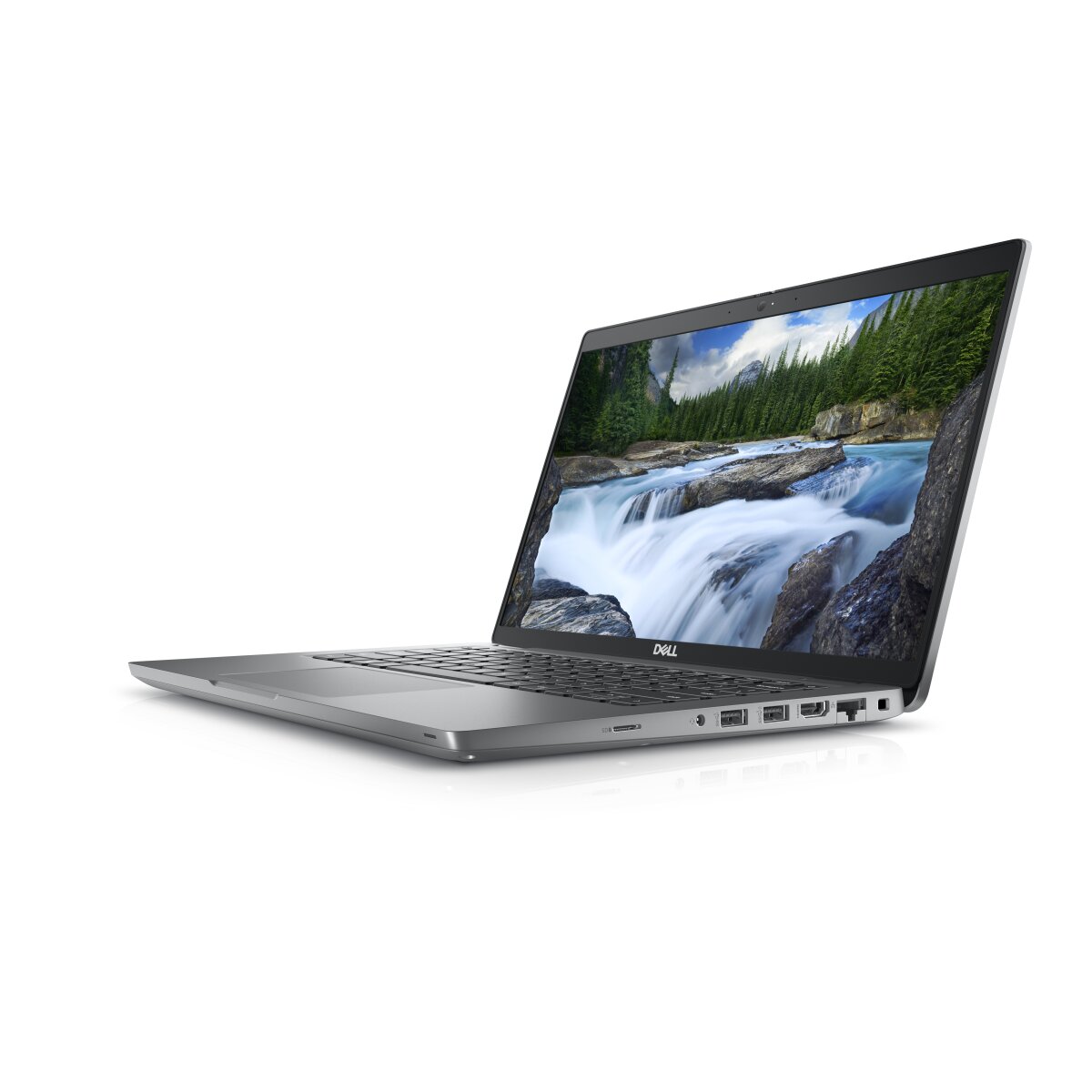
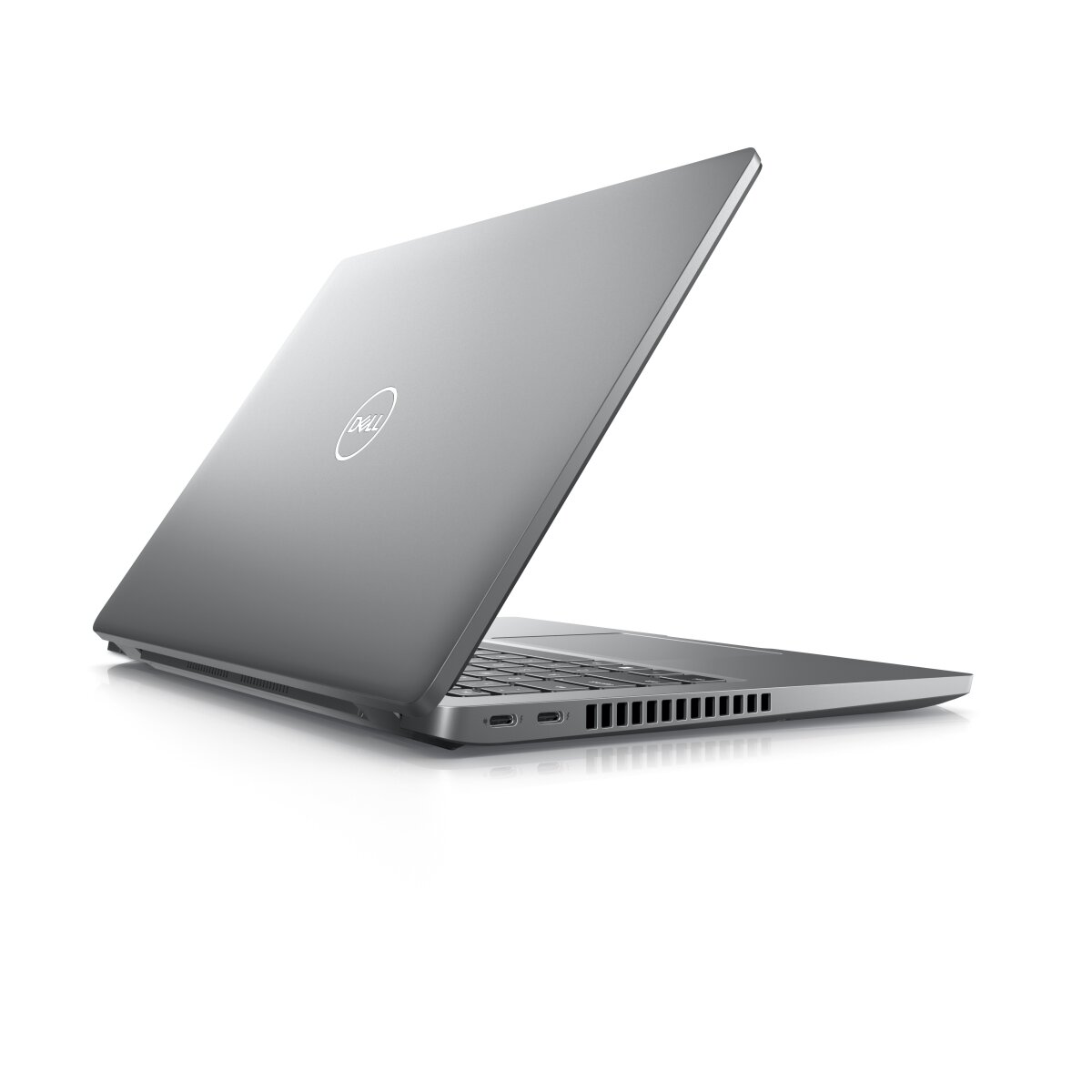
The Dell Latitude 5430 laptop supports DDR4-SDRAM memory upgrades with specifications including two SO-DIMM slots for maximum capacity of 64 GB. Memory modules operate at 3200 MHz frequency. Compatible RAM upgrades utilize the SO-DIMM form factor standard. Maximum configuration allows dual modules totaling 64 GB capacity. Specifications define upgrade compatibility for Dell Latitude 5000 series model 5430.
Memory Upgrade Specifications
| Specification | Value |
|---|---|
| Memory slots | 2x SO-DIMM |
| Form factor | SO-DIMM |
| Memory type | DDR4-SDRAM |
| Frequency | 3200 MHz |
| Maximum RAM | 64 GB |
| Voltage | 1.2V |
| Number of pins | 260-pin |
| Interface | PC4 |
| PC Speed Rating | PC4-3200 (PC4-25600) |
| Bandwidth | 25.6 GB/s |
| Laptop Release date | 26 January 2023 |
Additional Notes
- The DELL Latitude 5430 accepts DDR4 SO-DIMM modules exclusively, preventing the use of newer DDR5 technology or desktop-sized DIMM form factors.
- Both memory slots support dual-channel architecture when populated with matched modules, potentially doubling theoretical memory bandwidth compared to single-channel configurations.
- The 64 GB maximum capacity requires 2 modules of 32 GB each, which represents a specific density requirement not met by lower-capacity configurations.
- The 3200 MHz frequency specification indicates compatibility with JEDEC standard DDR4-3200 modules, though higher-speed modules will downclock to this rated speed.
- Non-ECC unbuffered memory is standard for this platform, as SO-DIMM slots in mobile workstations typically lack error-correction support found in server-grade systems.
- The dual-slot configuration limits upgrade flexibility compared to 4-slot systems, as capacity expansion requires replacing existing modules rather than adding to them.
- Accessing SO-DIMM slots on this chassis typically requires bottom panel removal, which may affect warranty status if seals are broken or improper disassembly occurs.
- The 3200 MHz native speed operates at 1.2V standard voltage, ensuring compatibility with power management features and thermal design constraints of mobile platforms.
- Mixed-capacity configurations remain functional but may sacrifice performance optimization, as asymmetric memory allocation can limit dual-channel benefits on certain memory regions.
- The DDR4 specification supports latencies typically ranging from CL19 to CL22 at 3200 MHz, though the system BIOS ultimately determines operational timings regardless of module SPD ratings.