DELL Latitude 5530 RAM upgrade specifications
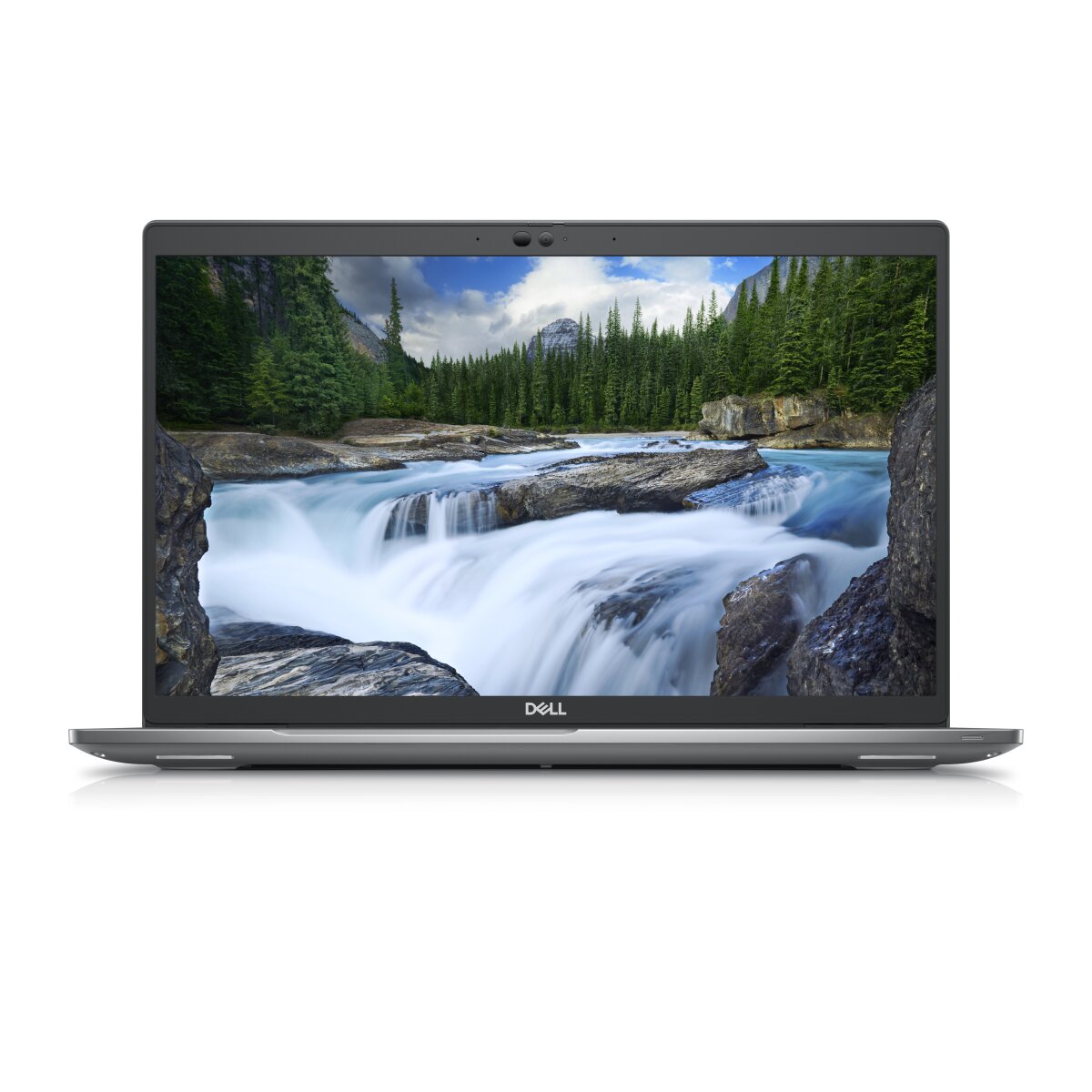
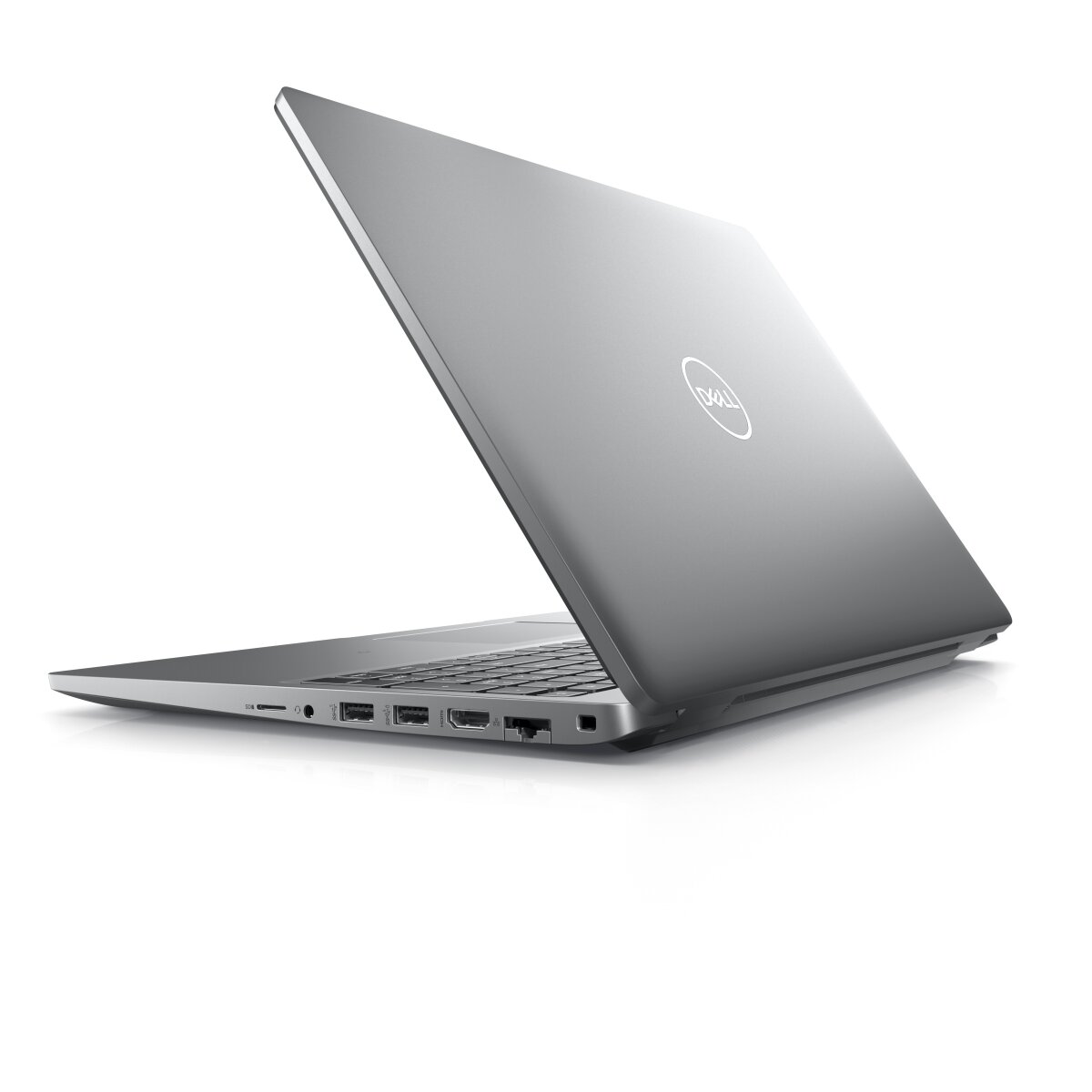
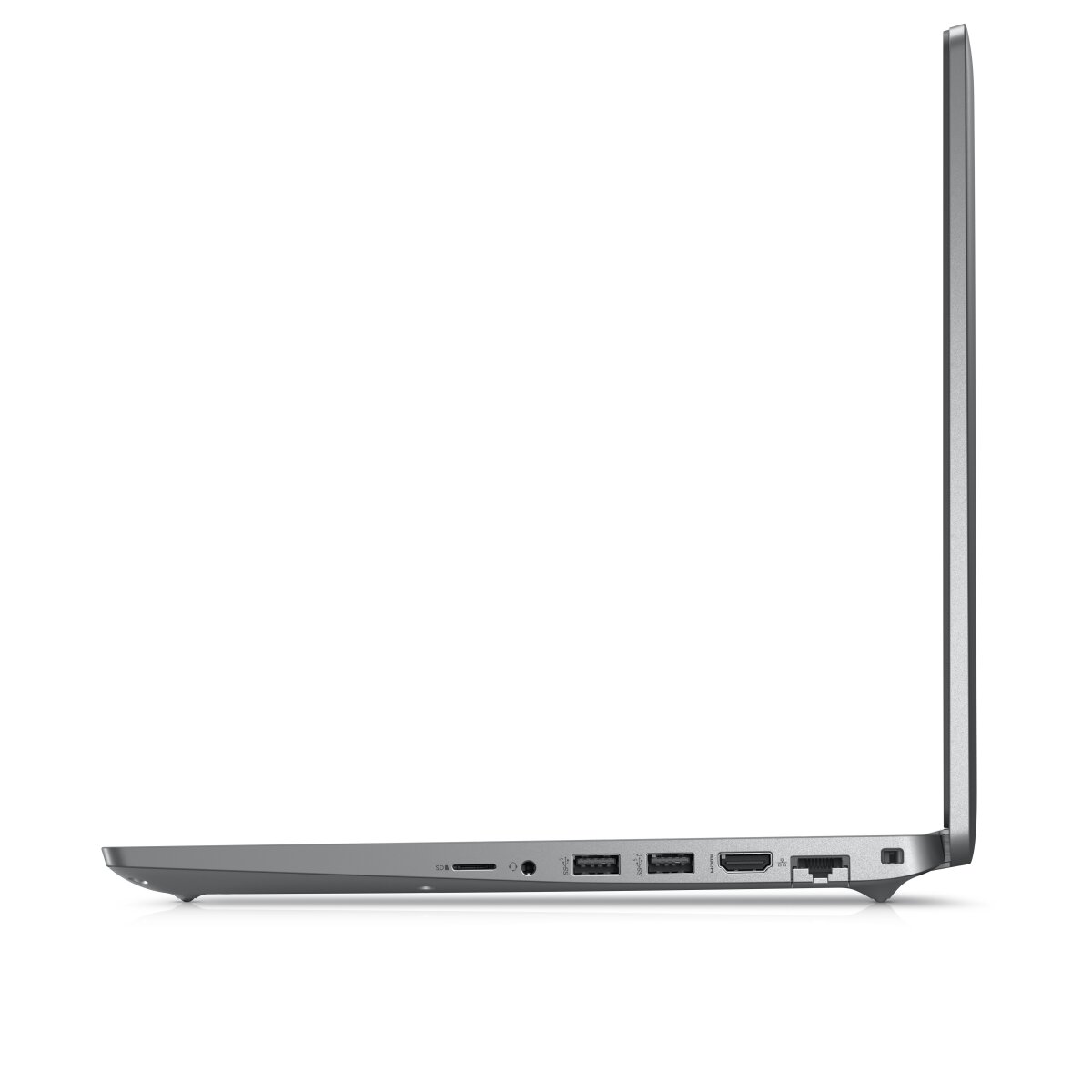
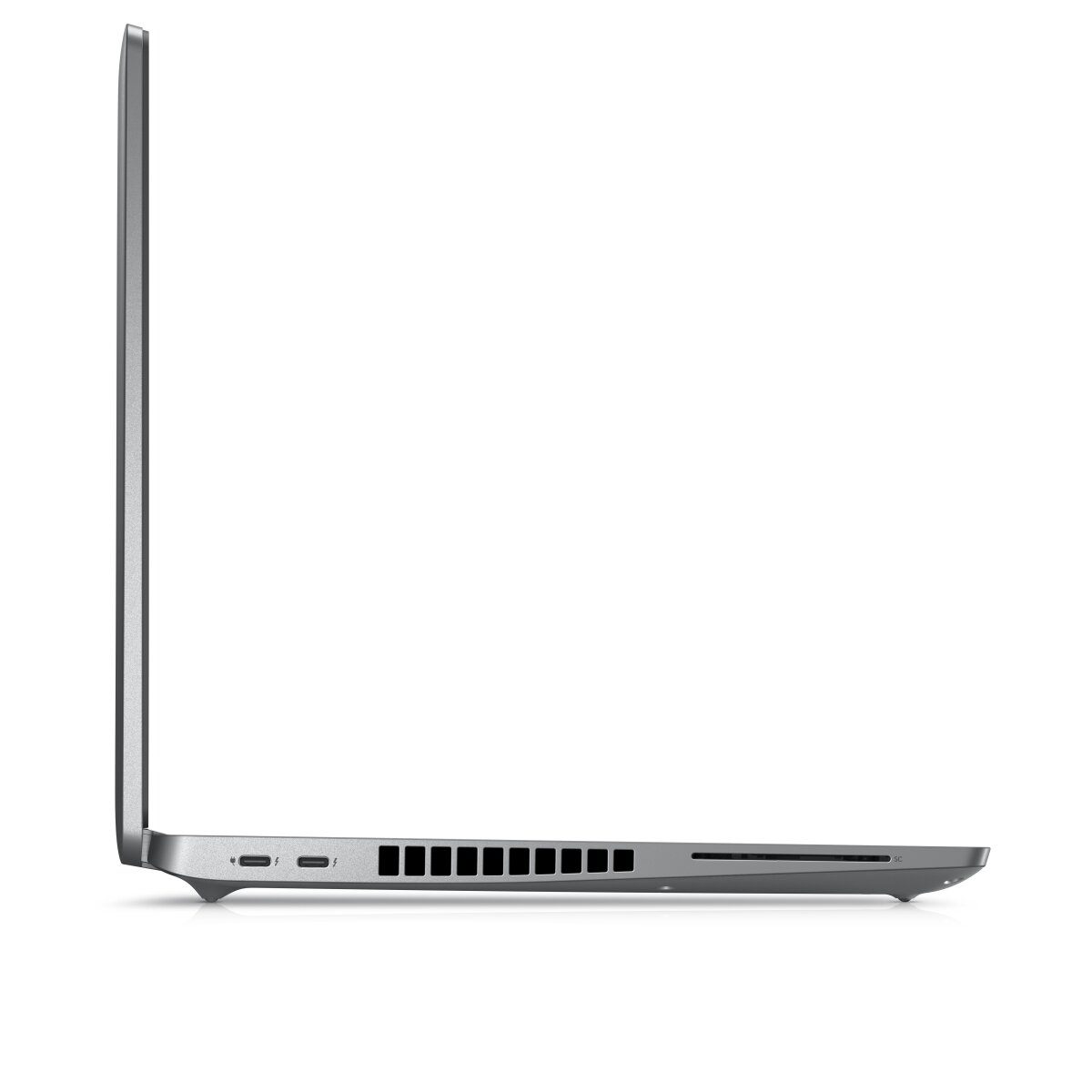

The DELL Latitude 5530 supports DDR4-SDRAM memory upgrades through two SO-DIMM slots. The maximum RAM capacity for this laptop model is 64 GB. Compatible memory modules operate at 3200 MHz frequency. Specifications indicate the 5000 series Latitude 5530 accepts standard SO-DIMM form factor memory upgrades, enabling users to expand system memory beyond factory configurations. Memory upgrade slots accommodate dual modules to reach the specified maximum capacity.
Memory Upgrade Specifications
| Specification | Value |
|---|---|
| Memory slots | 2x SO-DIMM |
| Form factor | SO-DIMM |
| Memory type | DDR4-SDRAM |
| Frequency | 3200 MHz |
| Maximum RAM | 64 GB |
| Voltage | 1.2V |
| Number of pins | 260-pin |
| Interface | PC4 |
| PC Speed Rating | PC4-3200 (PC4-25600) |
| Bandwidth | 25.6 GB/s |
| Laptop Release date | 26 January 2023 |
Additional Notes
- The DELL Latitude 5530 memory controller supports DDR4 modules running at 3200 MHz, which operates within the JEDEC standard voltage range of 1.2V, reducing thermal output compared to legacy DDR3 systems.
- Installing a single module results in single-channel operation, halving theoretical memory bandwidth to approximately 25.6 GB/s compared to dual-channel configuration's 51.2 GB/s.
- The 64 GB maximum capacity requires two 32 GB SO-DIMM modules, which must utilize dual-rank architecture given current DDR4 density limitations per chip.
- Non-matching module capacities or speed grades force the memory controller to operate all installed RAM at the lowest common frequency and timing specifications.
- The SO-DIMM form factor measures 67.6 mm in length with a 260-pin edge connector, incompatible with desktop DIMM slots despite identical DDR4 protocol support.
- Upgrading beyond factory configuration typically preserves manufacturer warranty coverage since the system includes user-accessible memory compartment design without seal-breaking requirements.
- Mixing modules from different manufacturers can introduce timing mismatches at the SPD level, potentially requiring manual BIOS configuration or defaulting to conservative JEDEC baseline speeds.
- The 3200 MHz native frequency classification corresponds to PC4-25600 module designation in alternative naming conventions used by some memory vendors.
- Systems shipped with lower-frequency modules can accept 3200 MHz upgrades, though the controller will not exceed the originally specified maximum frequency without BIOS support for XMP profiles.
- Dual-rank modules impose slightly higher electrical load on the memory controller compared to single-rank equivalents, which may affect stability when populating both slots at maximum capacity.