DELL Latitude 5531 RAM upgrade specifications
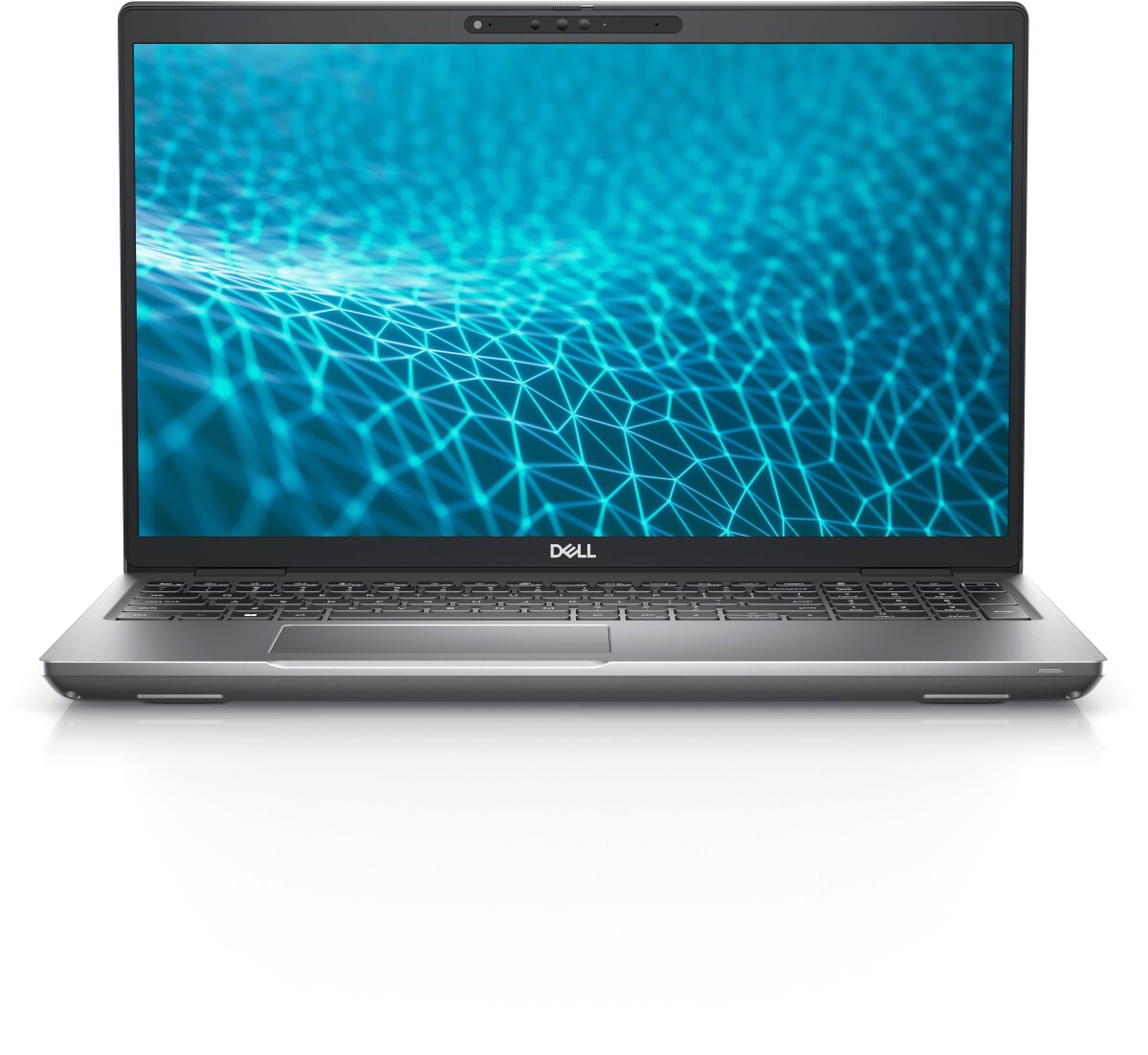
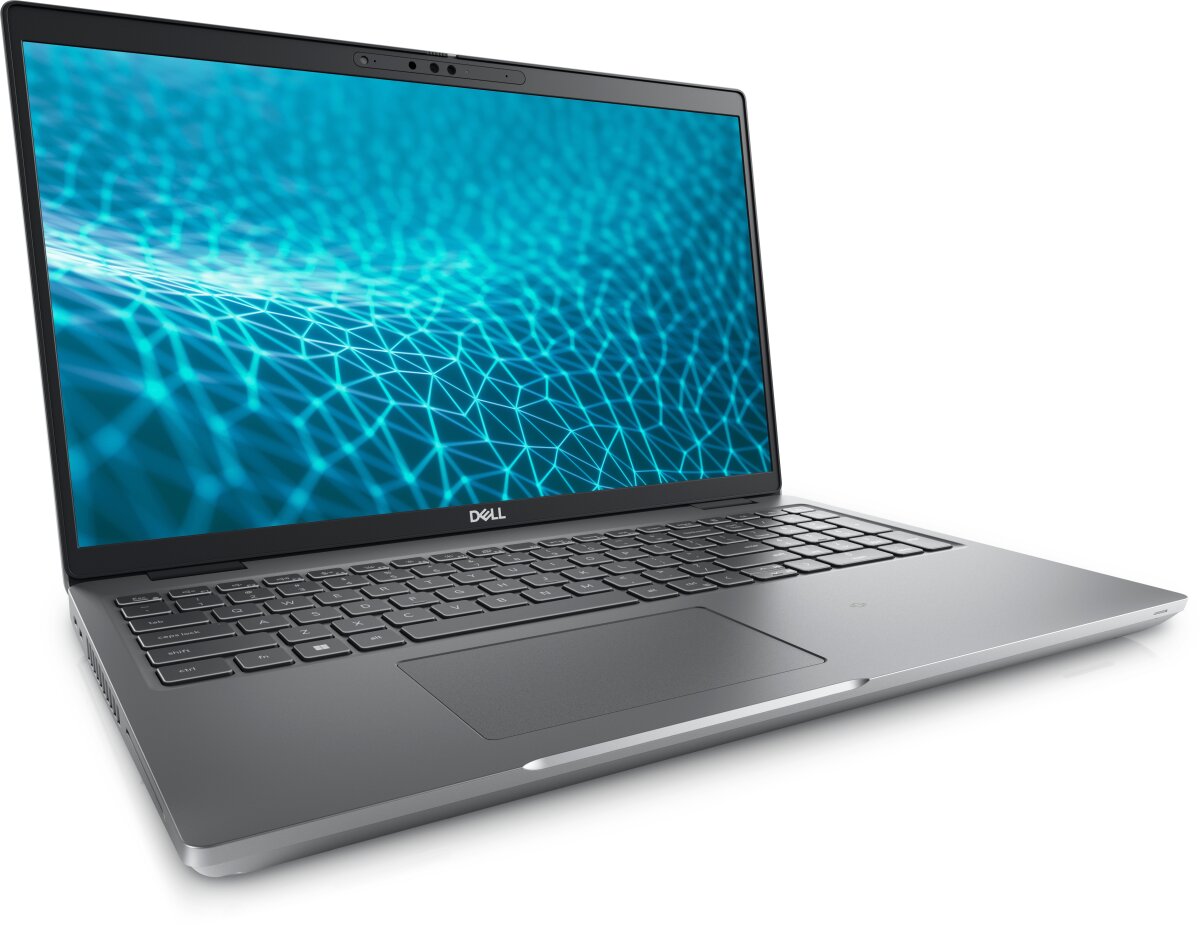
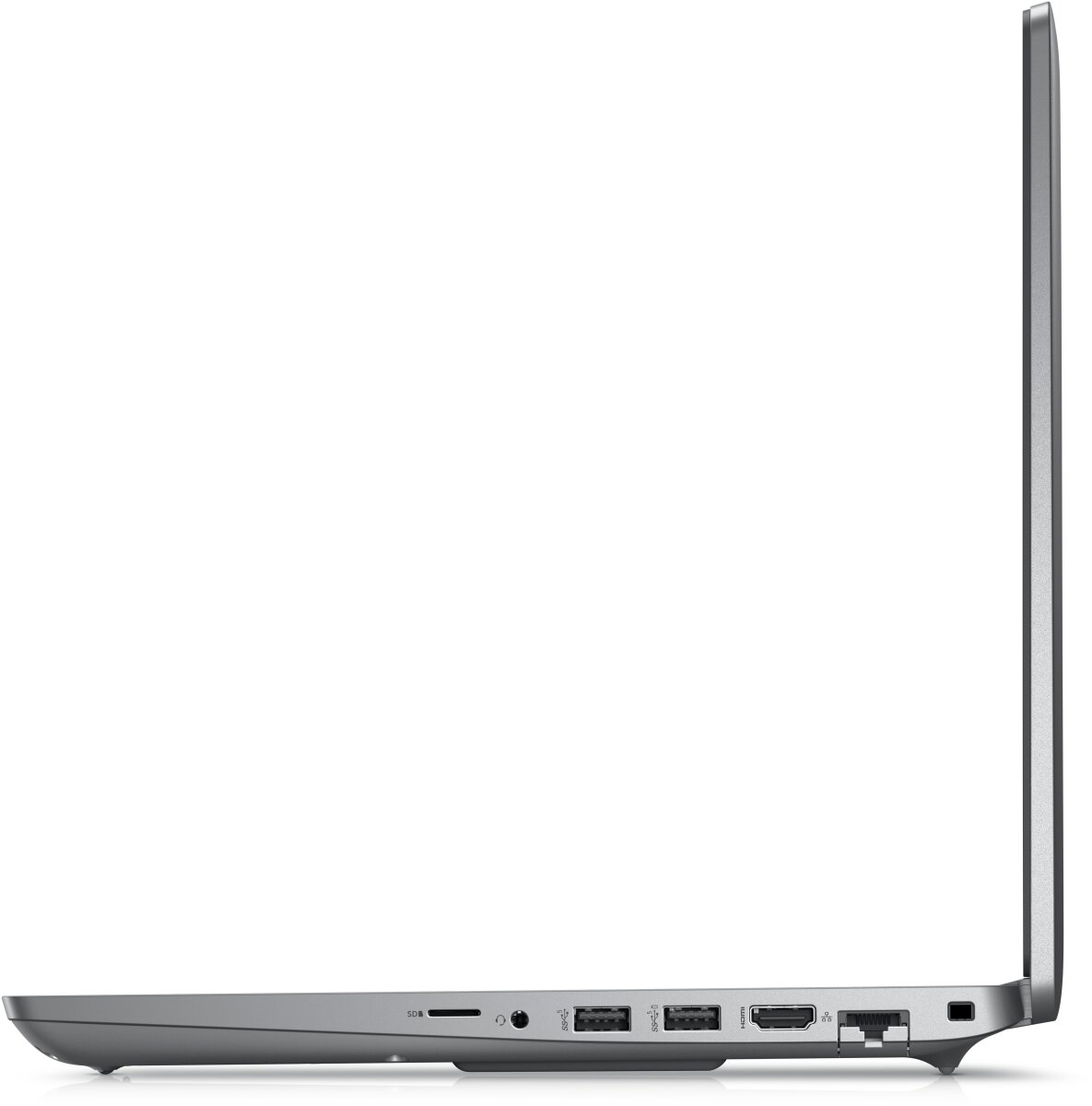
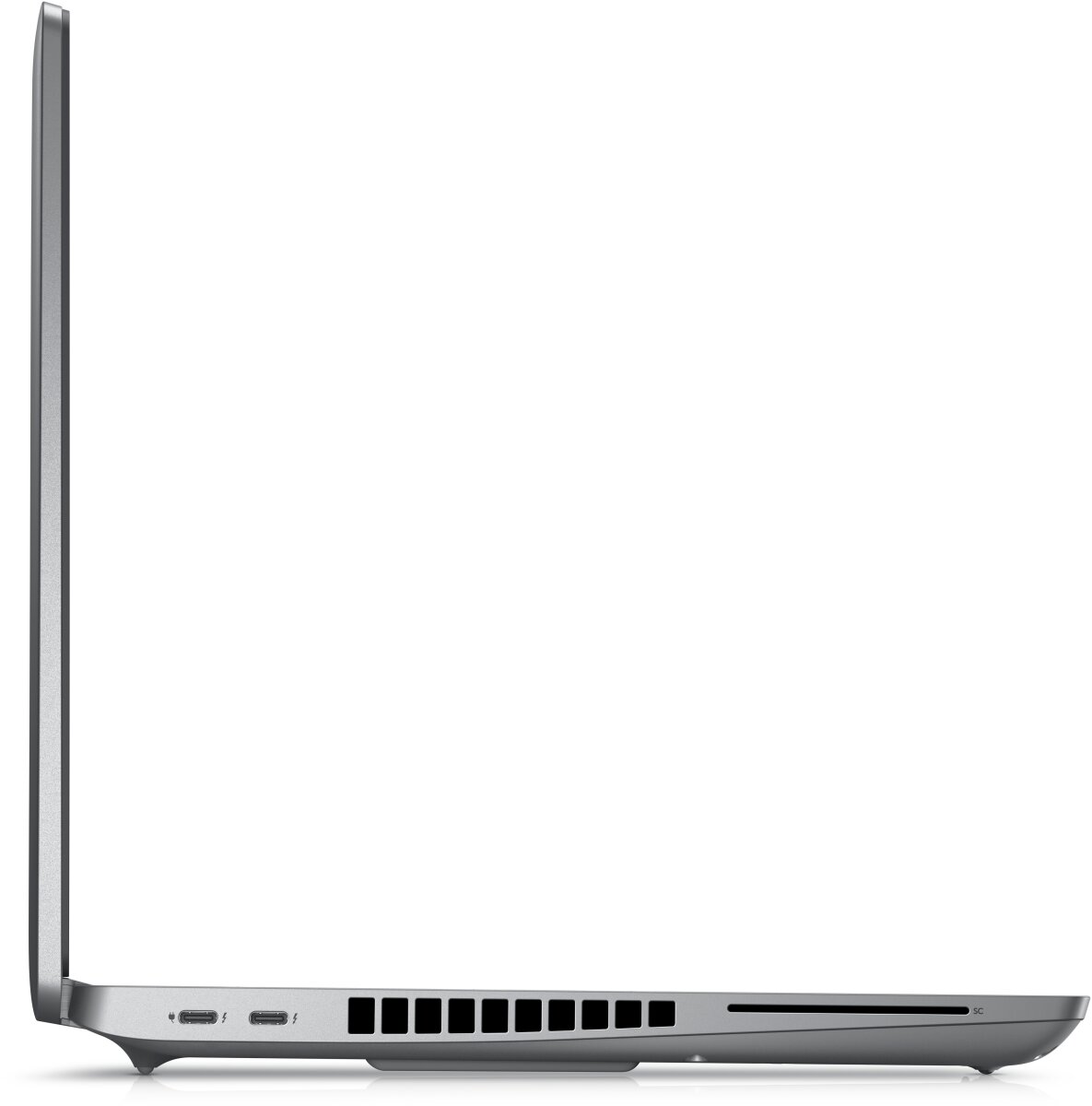
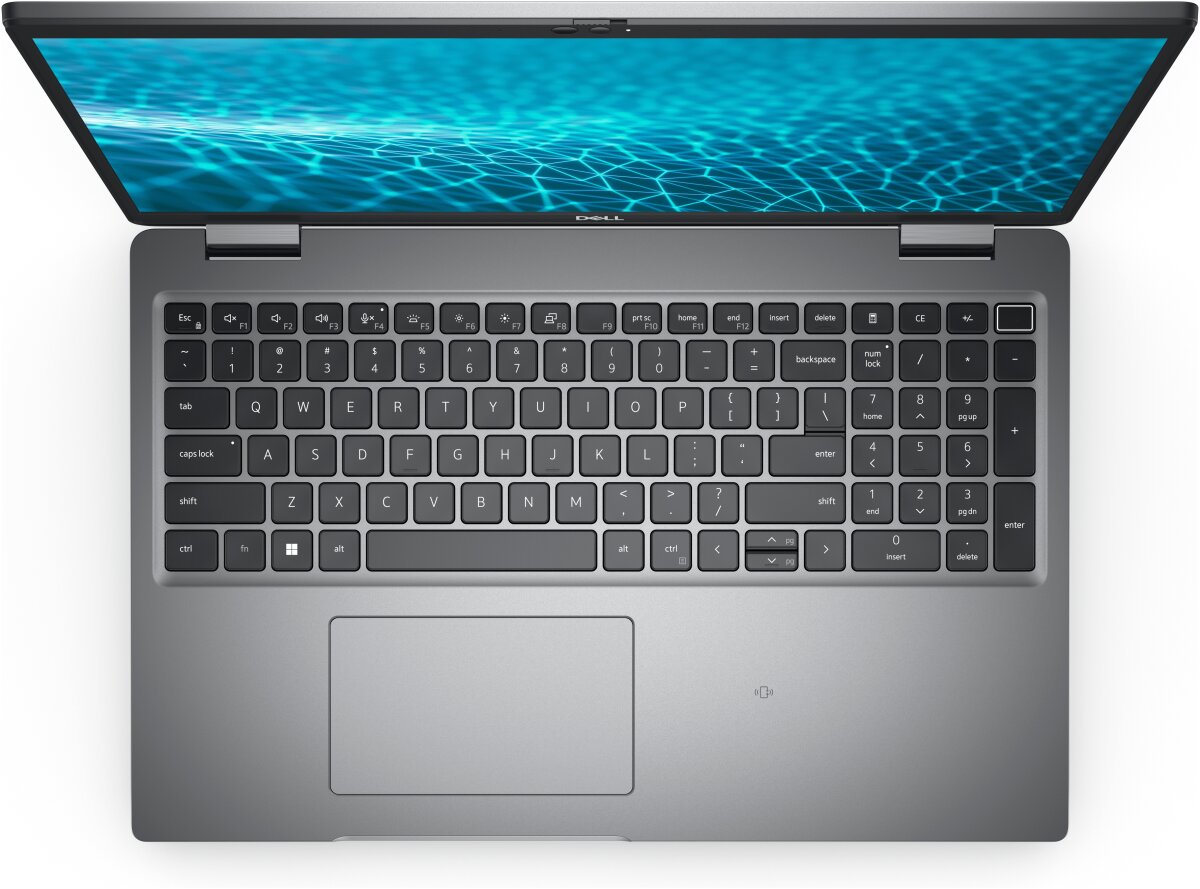
The DELL Latitude 5000 Series model 5531 laptop features DDR5-SDRAM memory upgrade specifications with two SO-DIMM slots supporting maximum RAM capacity of 64 GB. Compatible memory modules operate at 4800 MHz frequency. The upgrade specifications indicate SO-DIMM form factor specifications for memory expansion, allowing users to upgrade the laptop's memory configuration for enhanced performance requirements.
Memory Upgrade Specifications
| Specification | Value |
|---|---|
| Memory slots | 2x SO-DIMM |
| Form factor | SO-DIMM |
| Memory type | DDR5-SDRAM |
| Frequency | 4800 MHz |
| Maximum RAM | 64 GB |
| Voltage | 1.1V |
| Number of pins | 262-pin |
| Interface | PC5 |
| PC Speed Rating | PC5-4800 (PC5-38400) |
| Bandwidth | 38.4 GB/s |
| Laptop Release date | 20 April 2022 |
Additional Notes
- The DELL Latitude 5531 architecture divides the 64 GB ceiling across 2 slots, limiting each SO-DIMM to 32 GB maximum density when reaching full capacity.
- DDR5-SDRAM at 4800 MHz operates on a dual-channel architecture requiring matched pairs for optimal bandwidth utilization, otherwise the system defaults to single-channel mode with halved throughput.
- The 4800 MHz frequency represents JEDEC baseline specification for DDR5, providing lower latency compared to overclocked modules but eliminating compatibility risks from XMP profile failures.
- SO-DIMM modules physically measure 67.6 mm in length compared to 133.35 mm desktop DIMMs, preventing installation of standard desktop memory despite electrical compatibility.
- DDR5 operates at 1.1 volts compared to DDR4's 1.2 volts, meaning DDR4 modules cannot function in this platform due to incompatible voltage regulation and pin configuration.
- The 2-slot configuration eliminates future expansion options once populated with 2 modules, requiring complete replacement rather than incremental additions.
- DDR5-4800 SO-DIMMs featuring on-die ECC may exhibit error correction independently of system-level ECC support, though reporting remains unavailable without chipset integration.
- Mixing modules with different densities across slots maintains functionality but forces all modules to operate at the slowest common specifications for frequency and timing.
- The platform lacks support for DDR5-5200 or higher JEDEC speeds, causing faster-rated modules to downclock automatically to 4800 MHz without performance penalty.
- Non-soldered SO-DIMM slots preserve user serviceability under most regional warranty terms, though verification of specific coverage remains necessary before installation.