DELL Latitude E5250 RAM upgrade specifications
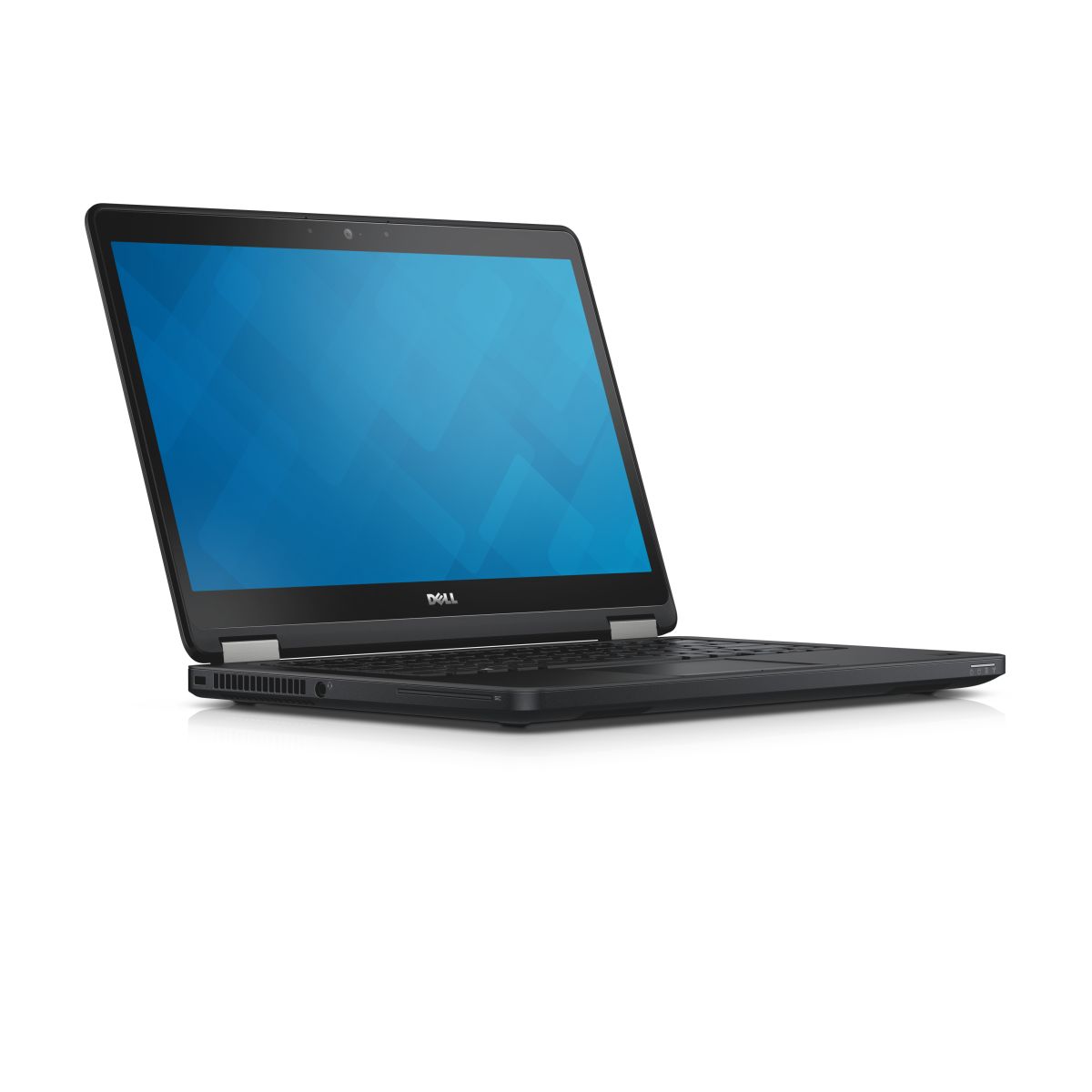
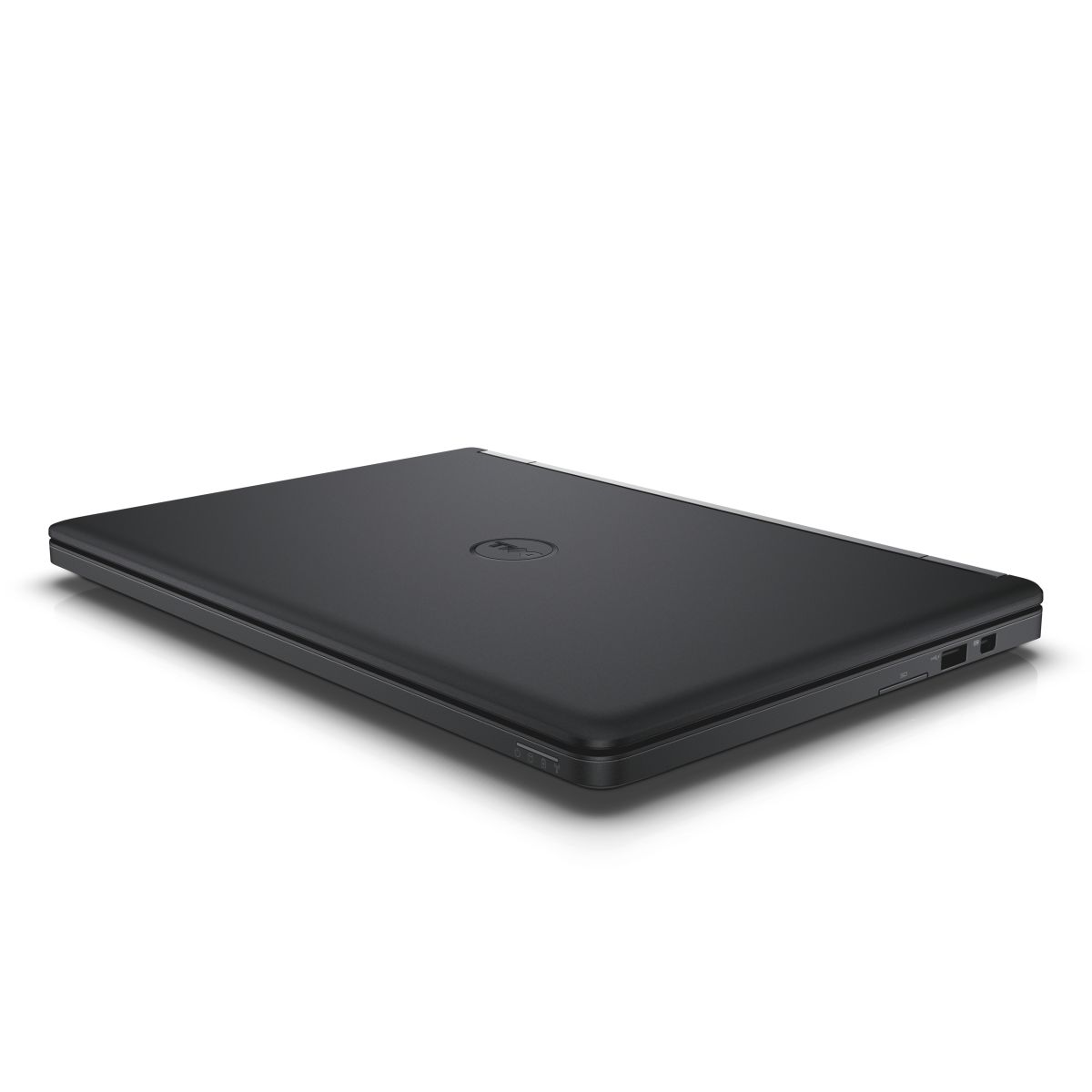
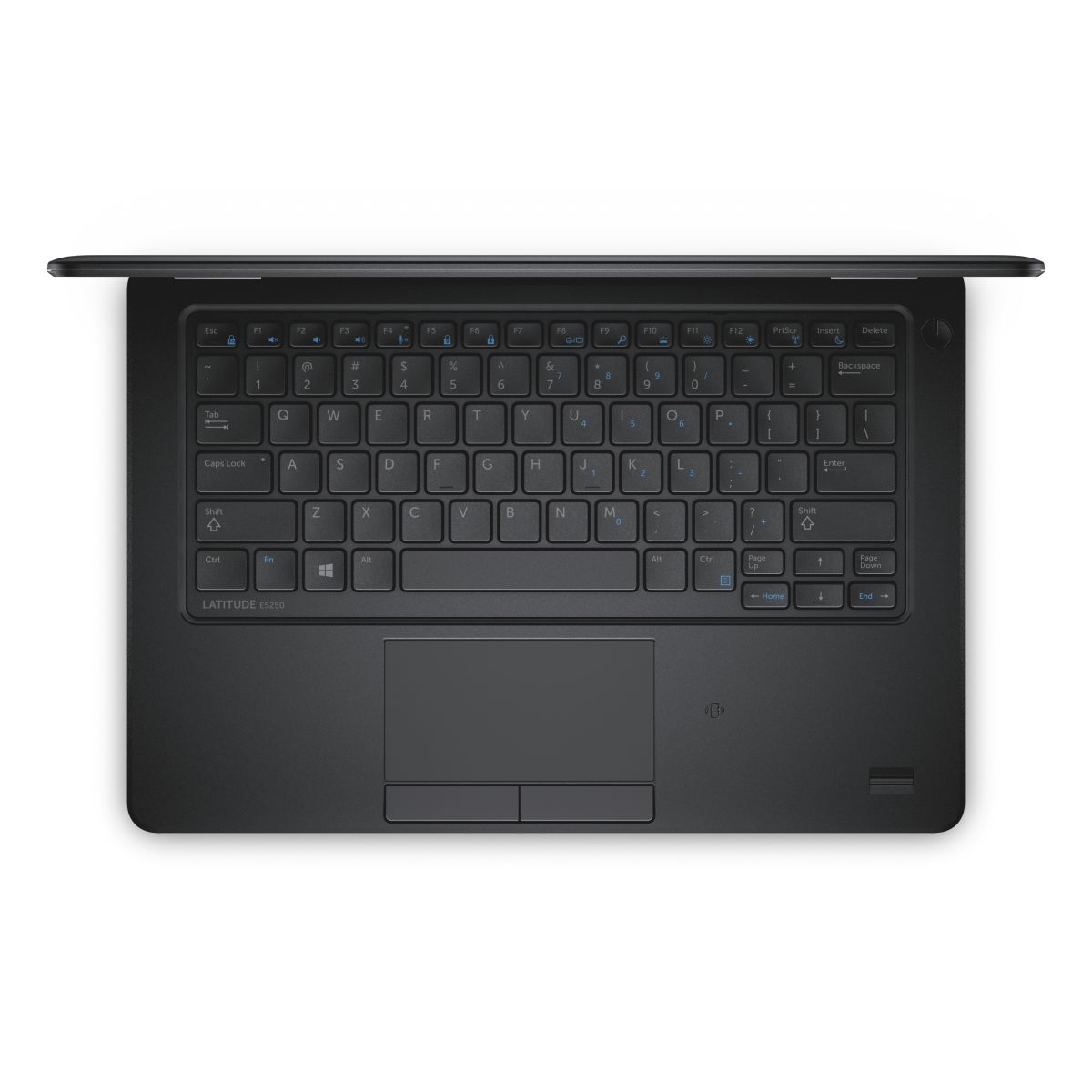
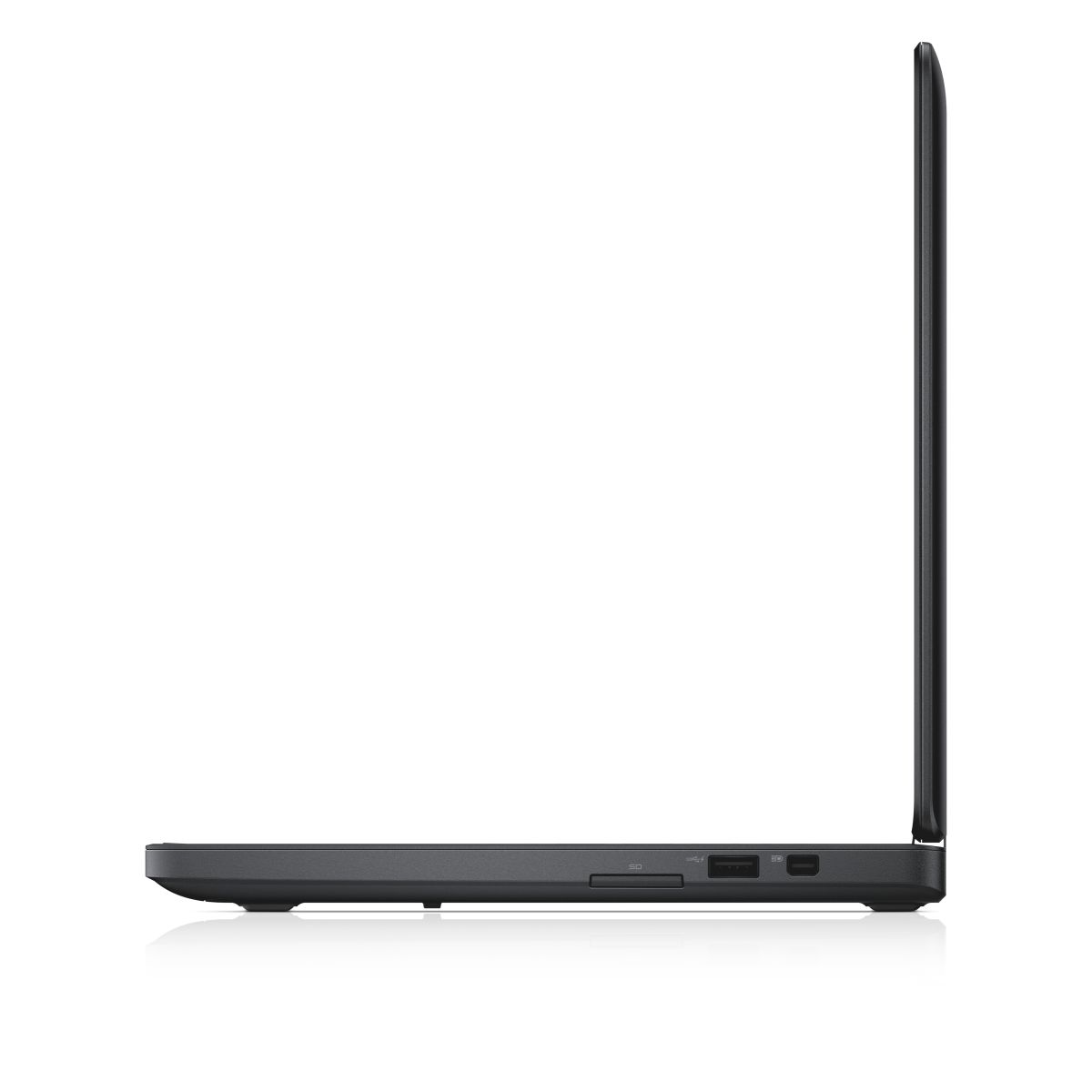
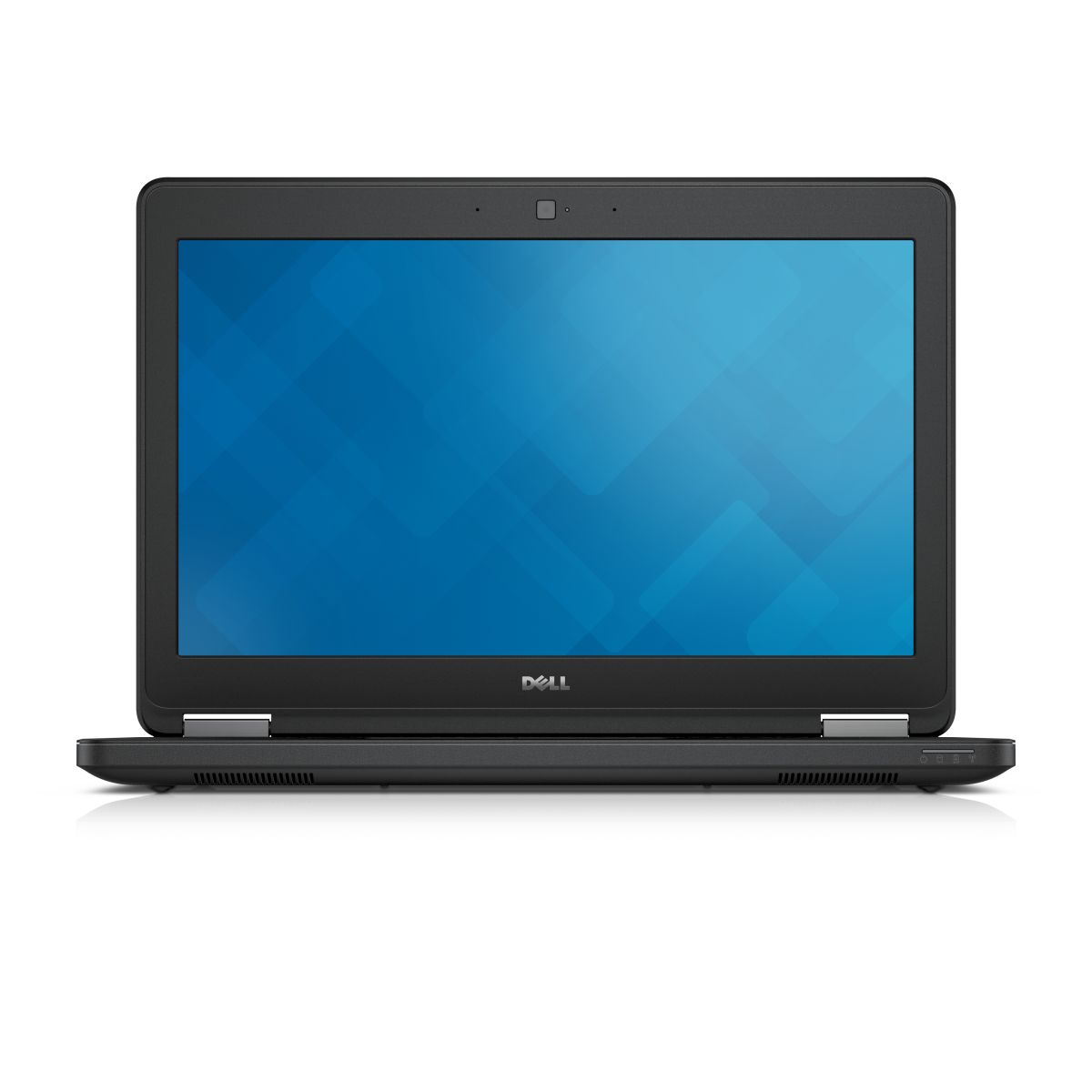
The DELL Latitude 5000 series E5250 laptop features two SO-DIMM memory slots supporting DDR3L-SDRAM upgrade modules operating at 1600 MHz. Maximum memory capacity reaches 16 GB total across both slots. Compatible RAM upgrades must utilize the SO-DIMM form factor and DDR3L-SDRAM specifications for proper functionality with the E5250 model. Users may upgrade existing memory modules within the specified capacity constraints and slot limitations.
Memory Upgrade Specifications
| Specification | Value |
|---|---|
| Memory slots | 2x SO-DIMM |
| Form factor | SO-DIMM |
| Memory type | DDR3L-SDRAM |
| Frequency | 1600 MHz |
| Maximum RAM | 16 GB |
| Voltage | 1.35V (Low Voltage) |
| Number of pins | 204-pin |
| Interface | PC3L |
| PC Speed Rating | PC3L-1600 (PC3L-12800) |
| Bandwidth | 12.8 GB/s |
| Laptop Release date | 19 April 2020 |
Additional Notes
- The DELL Latitude E5250 requires low voltage DDR3L modules operating at 1.35V rather than standard 1.5V DDR3, preventing use of conventional DDR3 SO-DIMMs that may physically fit but cause system instability or boot failure.
- The 16 GB maximum capacity requires installing two 8 GB modules, as single-module configurations leave half the available bandwidth unused due to the dual-channel architecture.
- The 1600 MHz specification represents PC3L-12800 standard with theoretical bandwidth of 12.8 GB/s per channel, though actual throughput depends on processor memory controller capabilities and workload patterns.
- Mixing modules with different speeds forces all memory to operate at the lowest common frequency, potentially downclocking faster modules to match slower ones in the array.
- Non-matching module capacities between slots maintains functionality but disables dual-channel operation for the unpaired portion, creating asymmetric memory access performance.
- SO-DIMM physical dimensions of 67.6 mm require consideration of module component height, as high-profile heat spreaders may interfere with keyboard assembly clearance in this form factor.
- The chipset memory controller typically supports unbuffered, non-ECC modules for this platform, making registered or error-correcting memory incompatible despite matching speed and voltage specifications.
- Accessing memory slots on this model requires bottom panel removal, with potential warranty seal breach depending on regional service policies and remaining coverage period.
- Operating frequency stability depends on JEDEC-compliant SPD programming, as modules lacking proper timing tables may default to conservative settings below rated 1600 MHz specification.
- Thermal considerations emerge when operating at full 16 GB capacity under sustained workloads, as populated slots generate additional heat within the chassis constraint envelope.