DELL Latitude E5570 RAM upgrade specifications
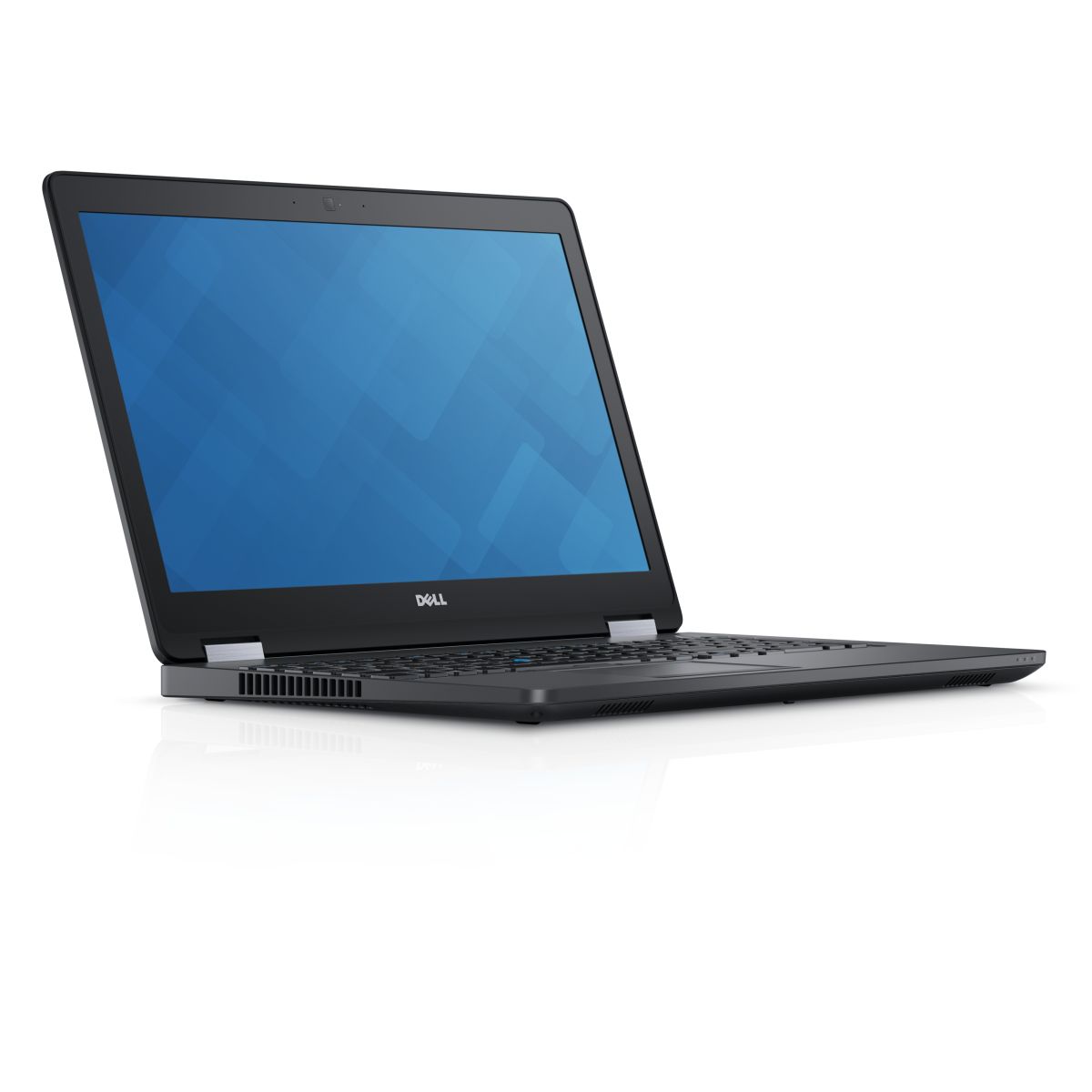
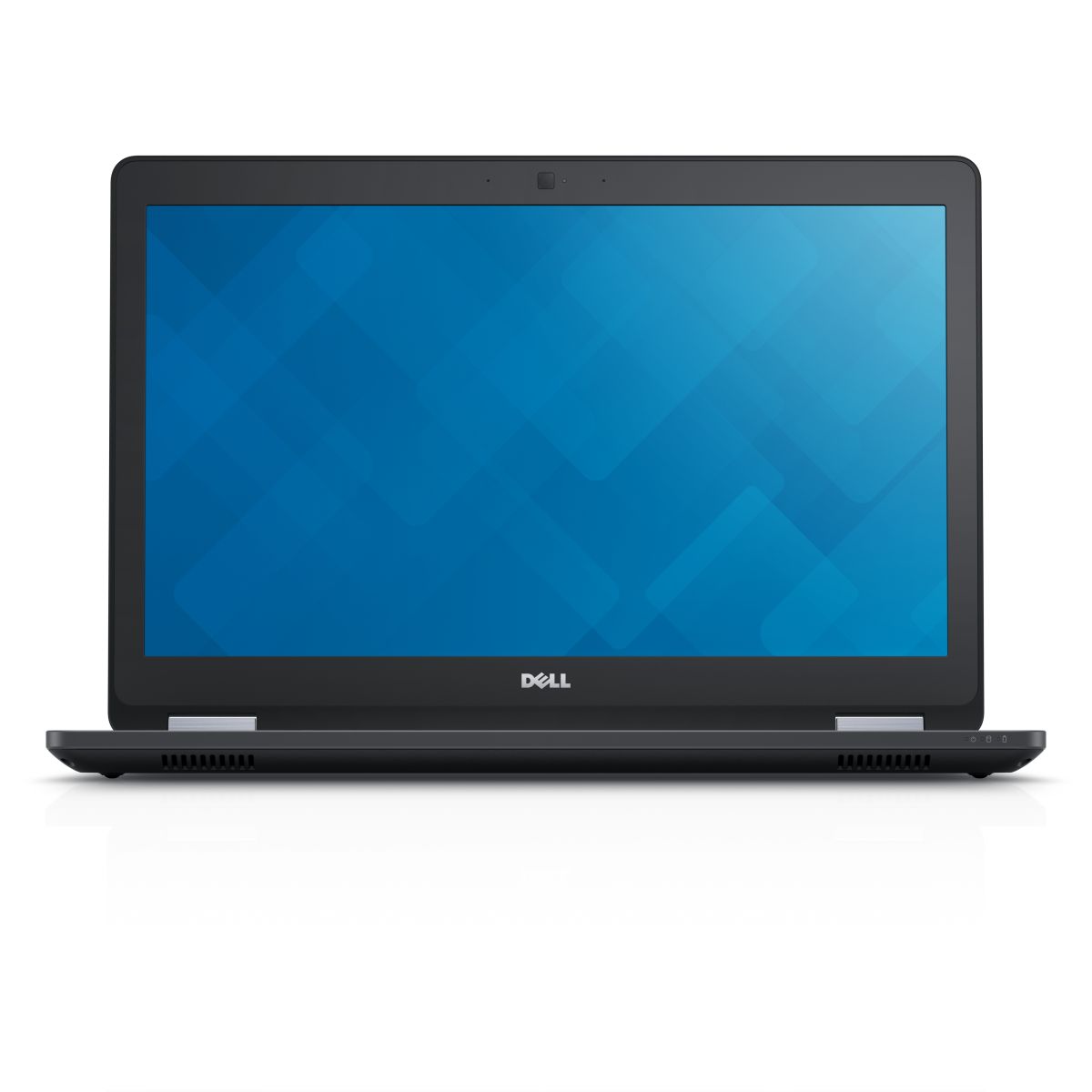
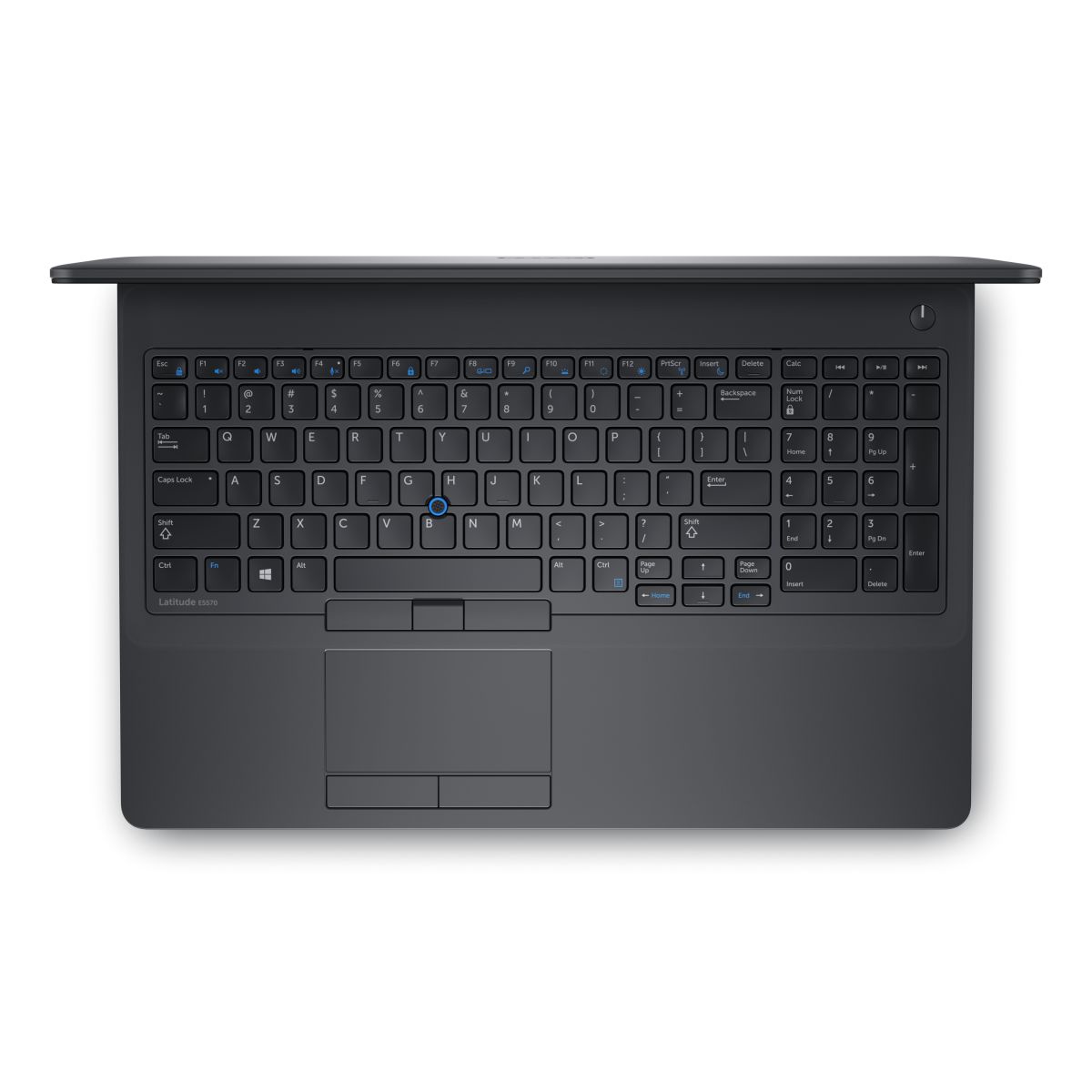
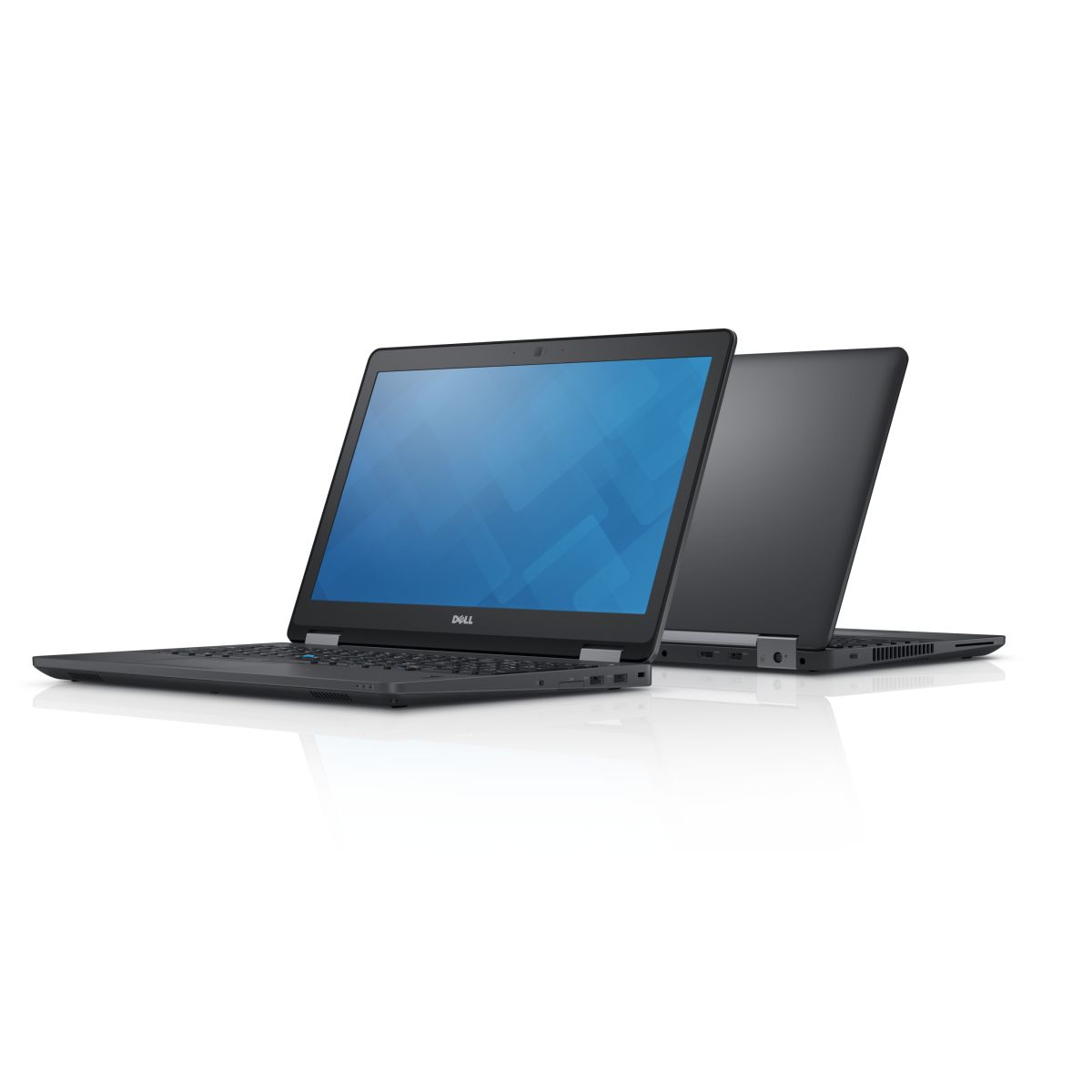
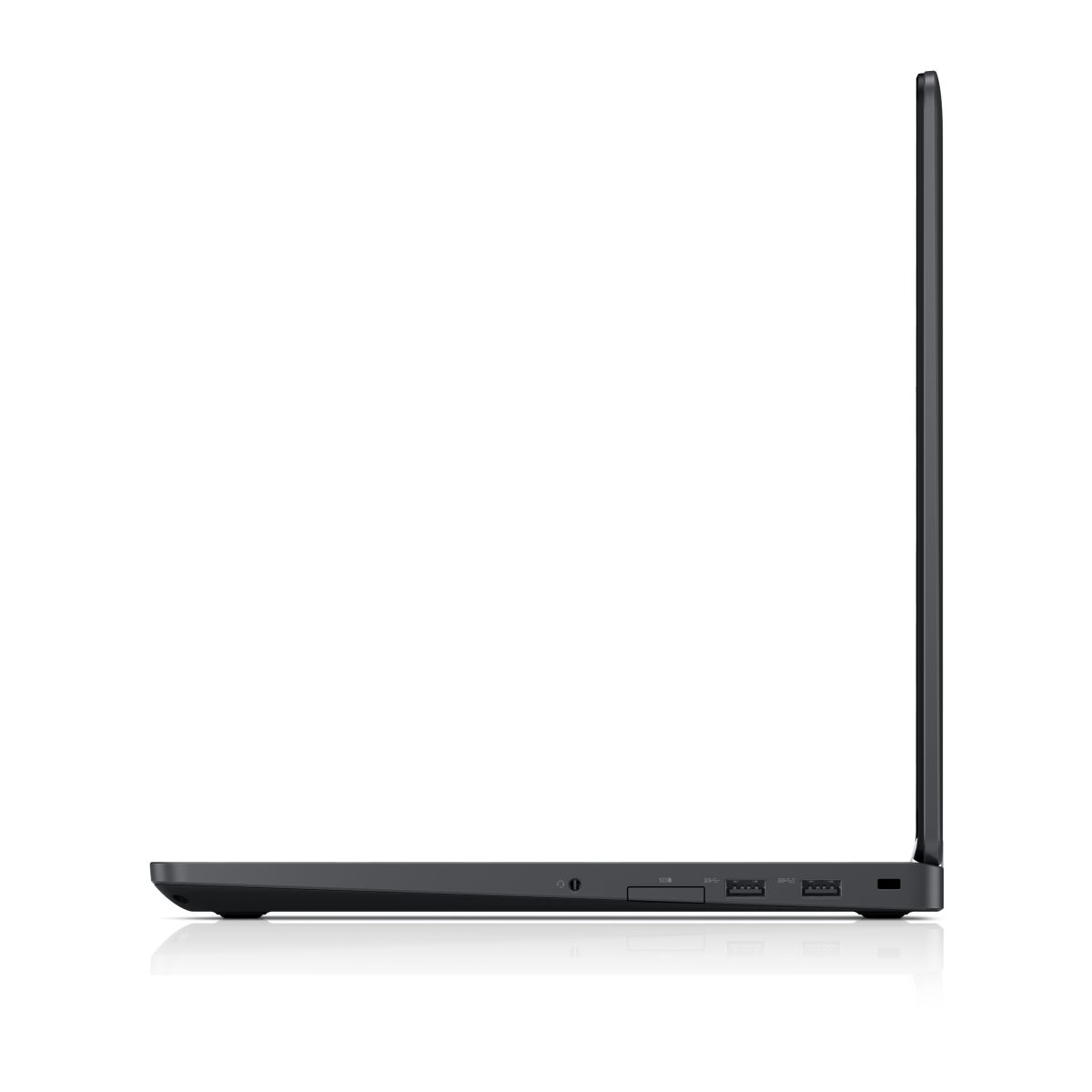
Dell Latitude 5000 Series E5570 supports DDR4-SDRAM memory upgrades with maximum capacity of 16 GB. The laptop contains 2x SO-DIMM slots for memory installation. Compatible RAM operates at 2133 MHz frequency. Upgrade specifications allow installation of SO-DIMM form factor modules to expand system memory capacity up to the maximum supported 16 GB configuration.
Memory Upgrade Specifications
| Specification | Value |
|---|---|
| Memory slots | 2x SO-DIMM |
| Form factor | SO-DIMM |
| Memory type | DDR4-SDRAM |
| Frequency | 2133 MHz |
| Maximum RAM | 16 GB |
| Voltage | 1.2V |
| Number of pins | 260-pin |
| Interface | PC4 |
| PC Speed Rating | PC4-2133 (PC4-17064) |
| Bandwidth | 17.1 GB/s |
| Laptop Release date | 08 July 2016 |
Additional Notes
- The Dell Latitude E5570 imposes a 16 GB ceiling due to chipset memory controller limitations, preventing recognition of higher-capacity modules even if physically compatible.
- DDR4-2133 represents the maximum validated frequency for this platform, with higher-speed modules automatically downclocking to 2133 MHz regardless of their rated specifications.
- Dual SO-DIMM architecture requires matched pairs for optimal dual-channel bandwidth, as mismatched capacities or timings force single-channel operation and halve memory throughput.
- Non-ECC unbuffered modules are required, as the mobile chipset lacks error correction support and will reject registered or ECC memory.
- Voltage specifications must conform to DDR4 standard 1.2V requirements, as the platform cannot accommodate low-voltage or overclocked variants without stability issues.
- Maximum theoretical bandwidth reaches 34.1 GB/s in dual-channel configuration, though single-module installations reduce this to 17 GB/s.
- Module height restrictions apply due to keyboard clearance constraints, with low-profile SO-DIMMs recommended to avoid physical interference during installation.
- JEDEC-compliant SPD profiles ensure compatibility, while XMP-enabled modules provide no performance advantage as the platform lacks overclocking capabilities.
- Operating system limitations may restrict usable memory, with 32-bit Windows installations unable to address the full 16 GB capacity regardless of hardware configuration.
- Thermal considerations favor single-rank modules over dual-rank configurations in sustained workloads, as reduced heat generation improves throttling behavior under chassis constraints.