DELL Latitude 12 RAM upgrade specifications
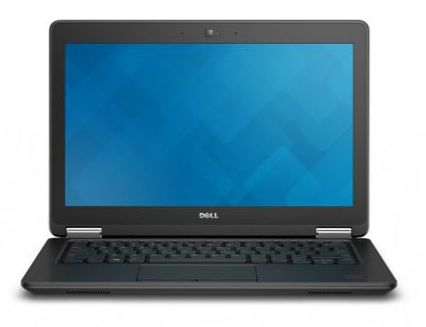
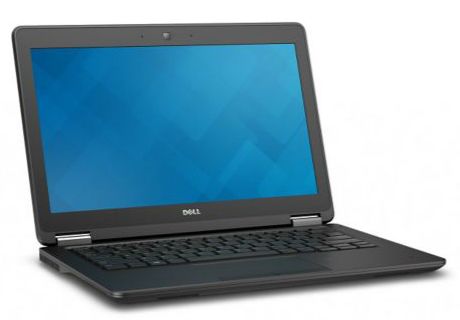
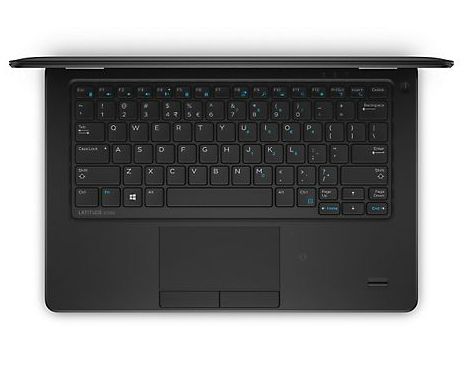
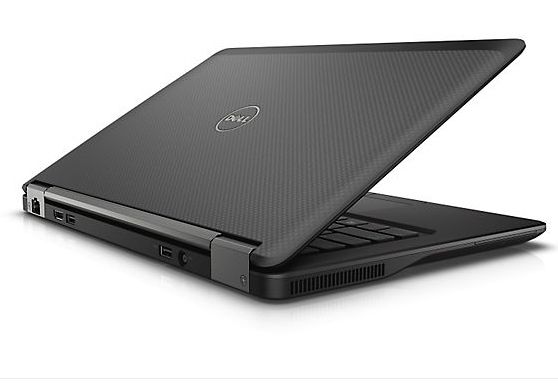
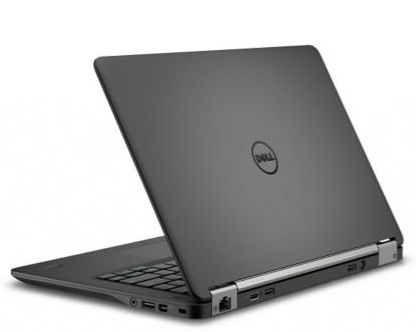
DELL Latitude 7000 Series Model 12 supports DDR3L-SDRAM memory upgrades with 2x SO-DIMM slots. Maximum RAM capacity reaches 16 GB total. Compatible memory modules operate at 1600 MHz frequency in SO-DIMM form factor. RAM upgrade specifications enable users to increase existing memory capacity within the stated maximum specifications for this laptop model.
Memory Upgrade Specifications
| Specification | Value |
|---|---|
| Memory slots | 2x SO-DIMM |
| Form factor | SO-DIMM |
| Memory type | DDR3L-SDRAM |
| Frequency | 1600 MHz |
| Maximum RAM | 16 GB |
| Voltage | 1.35V (Low Voltage) |
| Number of pins | 204-pin |
| Interface | PC3L |
| PC Speed Rating | PC3L-1600 (PC3L-12800) |
| Bandwidth | 12.8 GB/s |
| Laptop Release date | 07 May 2015 |
Additional Notes
- The DDR3L designation indicates low voltage operation at 1.35V, incompatible with standard DDR3 modules running at 1.5V despite identical physical connectors.
- The 16 GB ceiling restricts this DELL Latitude 12 to dual-channel configurations of either 2x4 GB or 2x8 GB modules, preventing asymmetric pairings like 4 GB plus 8 GB while maintaining optimal bandwidth.
- Dual-channel architecture requires matched module capacities in both SO-DIMM slots to achieve the full 25.6 GB/s theoretical bandwidth available with 1600 MHz DDR3L.
- PC3L-12800 specification translates to the 1600 MHz frequency, and modules marked PC3-12800 without the "L" suffix will cause POST failures or system instability.
- Existing factory RAM configurations may use single-rank or dual-rank modules, where mixing rank densities can force the memory controller to downclock below the 1600 MHz specification.
- SO-DIMM accessibility typically requires bottom panel removal on this chassis generation, with no tool-free access doors for field upgrades.
- Non-standard module heights exceeding JEDEC specifications may create physical interference with keyboard assemblies or cooling components in this compact form factor.
- Operating systems limited to 32-bit architecture will impose a practical 4 GB usable limit regardless of physical RAM installation approaching the 16 GB maximum.
- Unbuffered memory topology is implied by the SO-DIMM specification, making registered or ECC-registered modules incompatible with the memory controller.
- Thermal constraints in portable chassis designs may throttle sustained workloads before reaching memory bandwidth saturation at the 1600 MHz speed grade.