DELL Precision 7520 RAM upgrade specifications
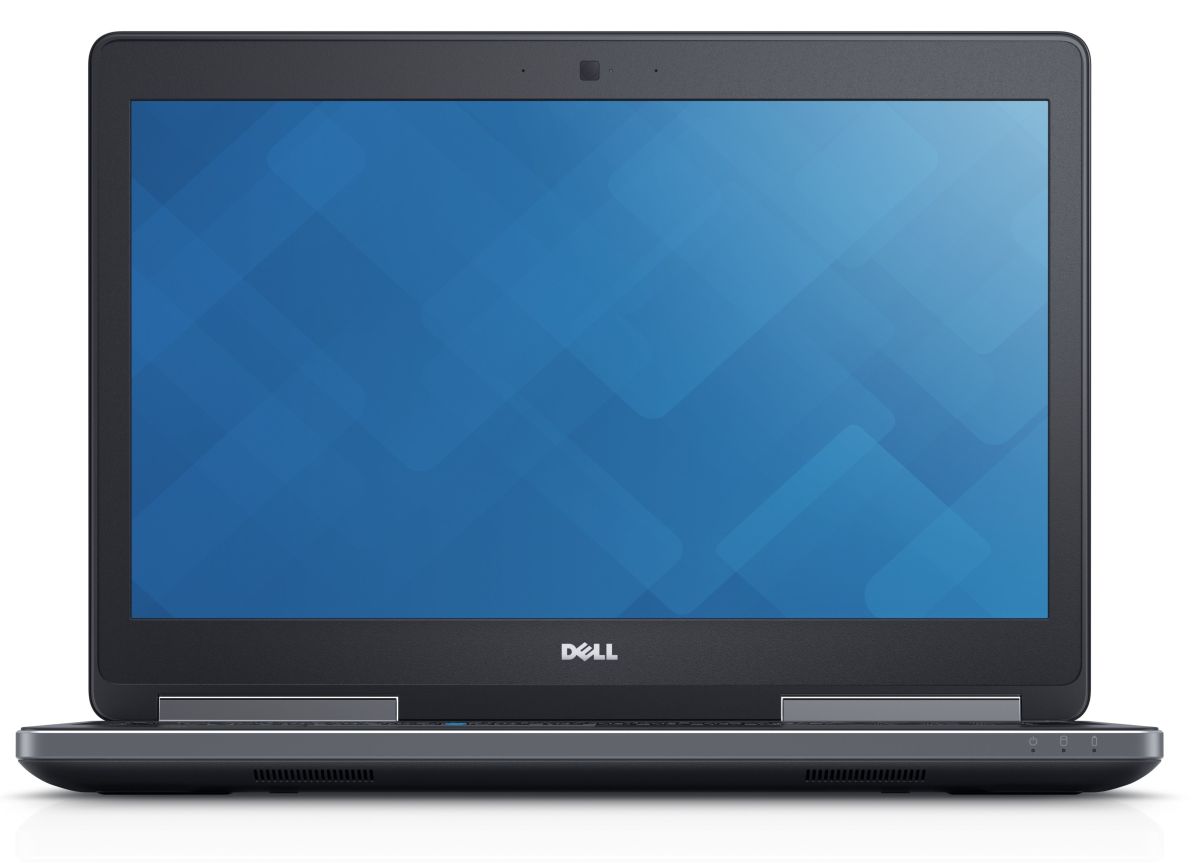
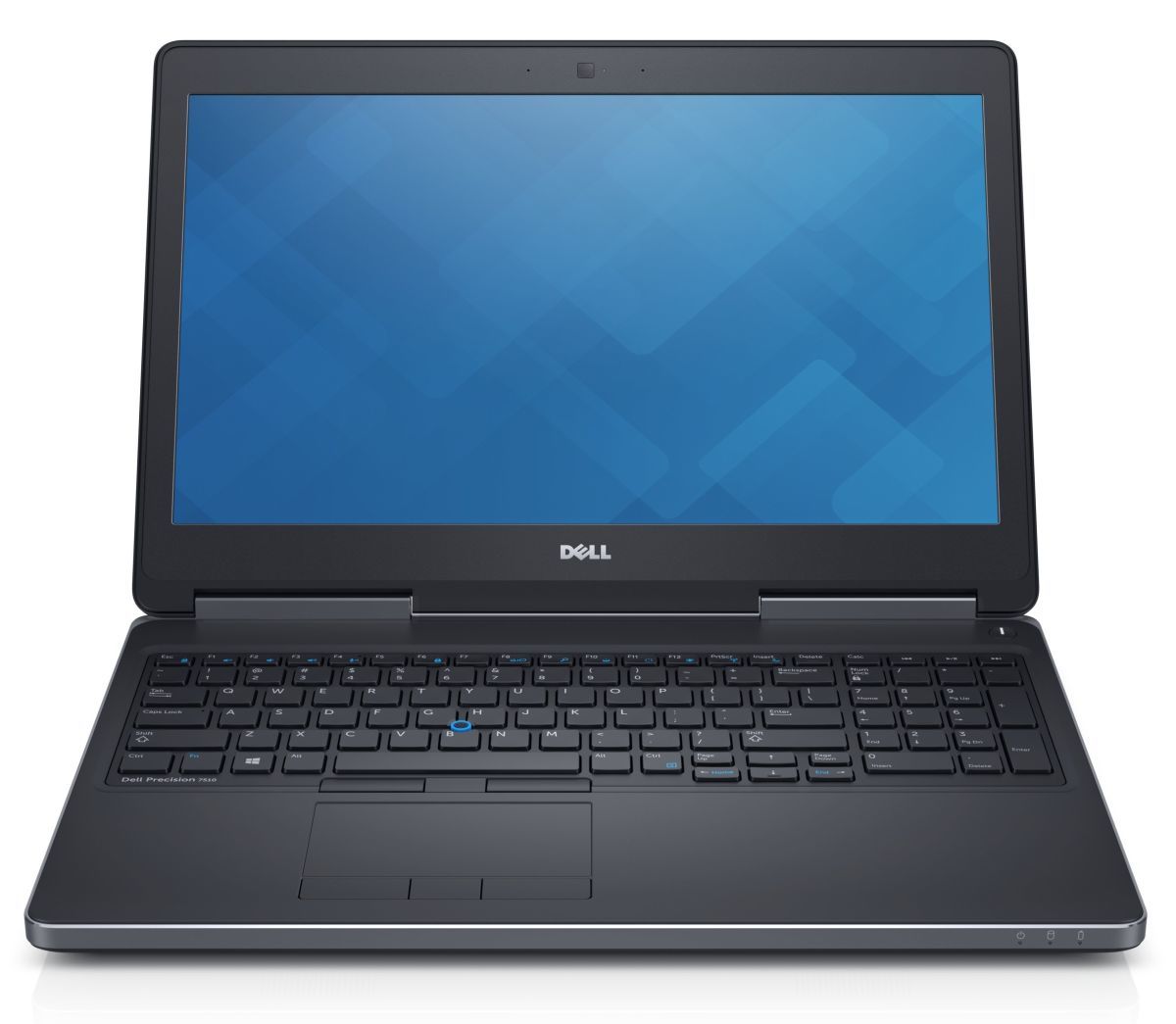
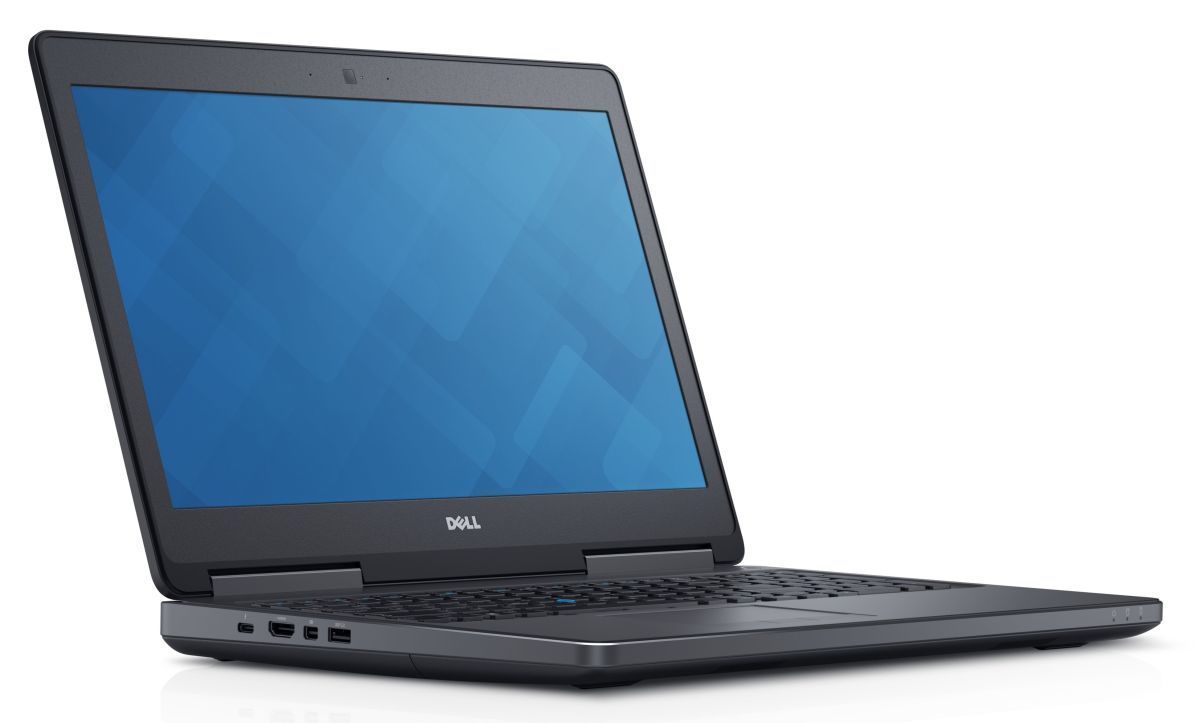
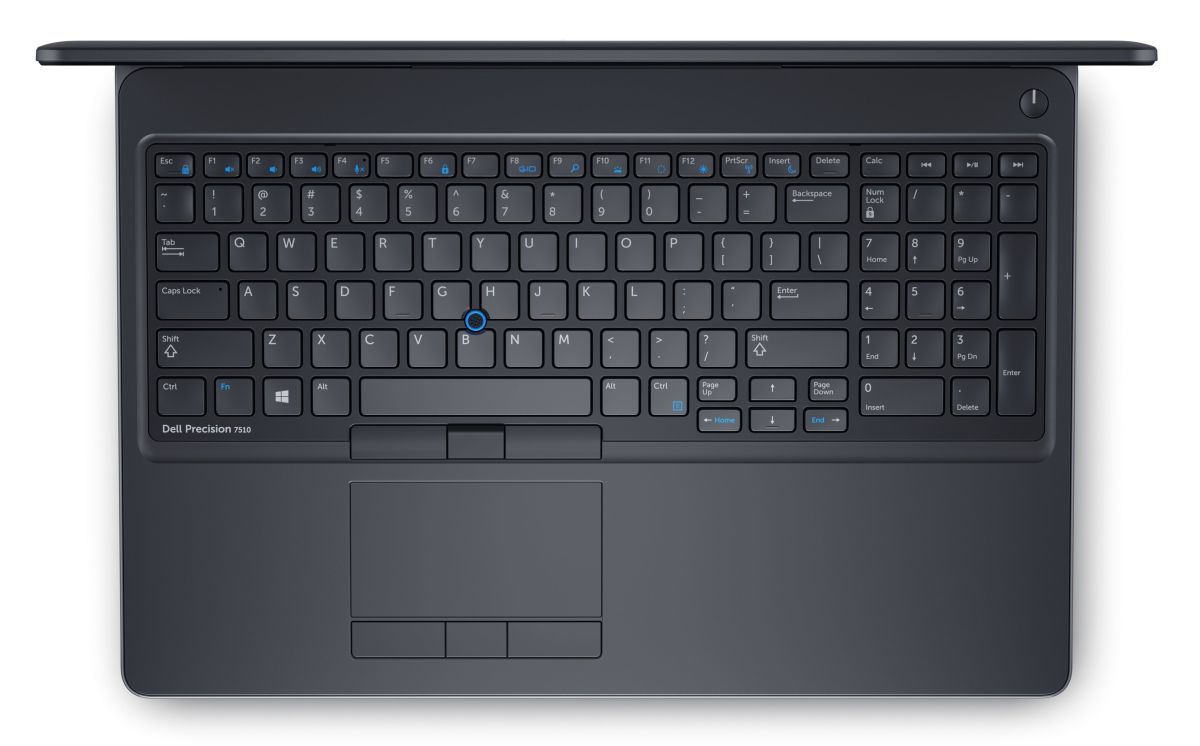

DELL Precision 7520 RAM upgrade specifications include four SO-DIMM memory slots supporting DDR4-SDRAM modules. Maximum compatible memory capacity reaches 64 GB total. Memory modules operate at 2400 MHz frequency. Upgrade options accommodate DDR4 SO-DIMM form factor components. Specifications detail compatible memory configurations for expanding storage capacity on DELL Precision 7000 series 7520 workstation model.
Memory Upgrade Specifications
| Specification | Value |
|---|---|
| Memory slots | 4x SO-DIMM |
| Form factor | SO-DIMM |
| Memory type | DDR4-SDRAM |
| Frequency | 2400 MHz |
| Maximum RAM | 64 GB |
| Voltage | 1.2V |
| Number of pins | 260-pin |
| Interface | PC4 |
| PC Speed Rating | PC4-2400 (PC4-19200) |
| Bandwidth | 19.2 GB/s |
| Laptop Release date | 08 May 2018 |
Additional Notes
- The 4 SO-DIMM configuration allows independent module replacement without affecting operational slots, unlike dual-slot systems where both modules typically require simultaneous upgrade for optimal dual-channel performance.
- The 64 GB maximum capacity enforces a 16 GB per-slot ceiling, preventing installation of 32 GB modules even when such modules are physically compatible with the DDR4 SO-DIMM interface.
- Memory controllers in this generation support DDR4-2666 and higher speeds, but the system automatically downclocks faster modules to 2400 MHz, eliminating any performance benefit from premium-speed RAM.
- Mixed-capacity configurations remain functional but may prevent quad-channel operation, forcing the system into dual-channel or asymmetric modes that reduce theoretical memory bandwidth.
- SO-DIMM modules operate at lower voltage than desktop DIMM equivalents, making standard desktop DDR4 physically incompatible despite identical signaling protocols.
- Installation requires bottom panel removal rather than dedicated access doors, increasing service complexity compared to business laptops with tool-free memory access.
- Non-ECC unbuffered modules are required; registered or ECC variants will either fail POST or operate with error correction disabled, providing no reliability advantage.
- Single-rank versus dual-rank module topology affects interleaving behavior, with 4 dual-rank modules potentially causing the memory controller to enforce lower speeds under specific thermal conditions.
- Warranty preservation requires OEM-approved installation procedures documented in the service manual, as damage to retention clips or slots during user installation may void coverage.
- Thermal design assumes JEDEC-standard module height of 30mm or less; taller modules with aftermarket heat spreaders risk physical interference with keyboard assemblies or thermal solutions.