DELL Precision 5770 RAM upgrade specifications

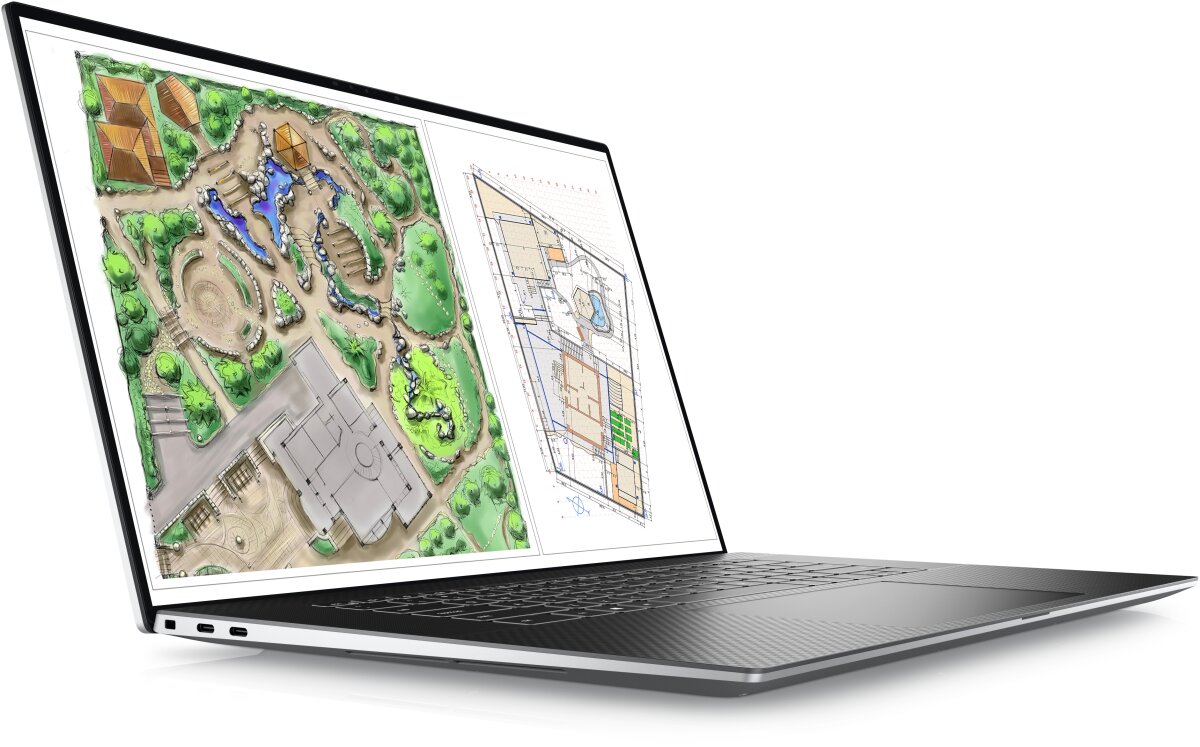
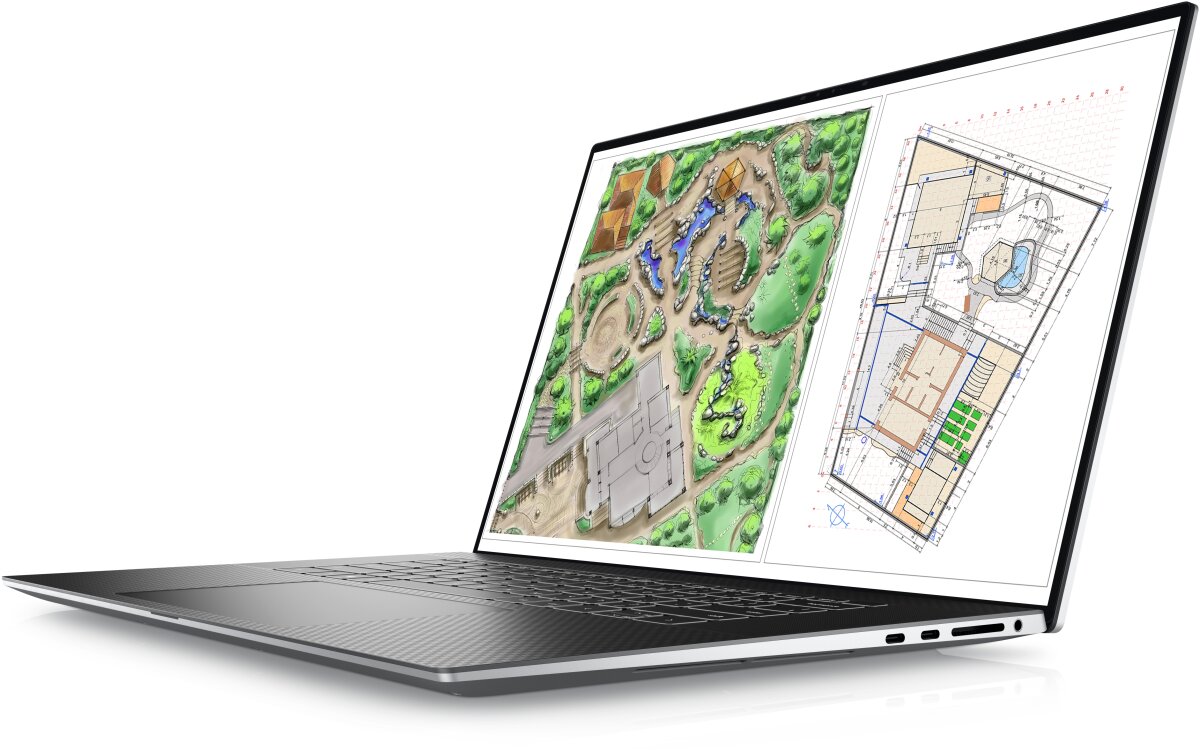
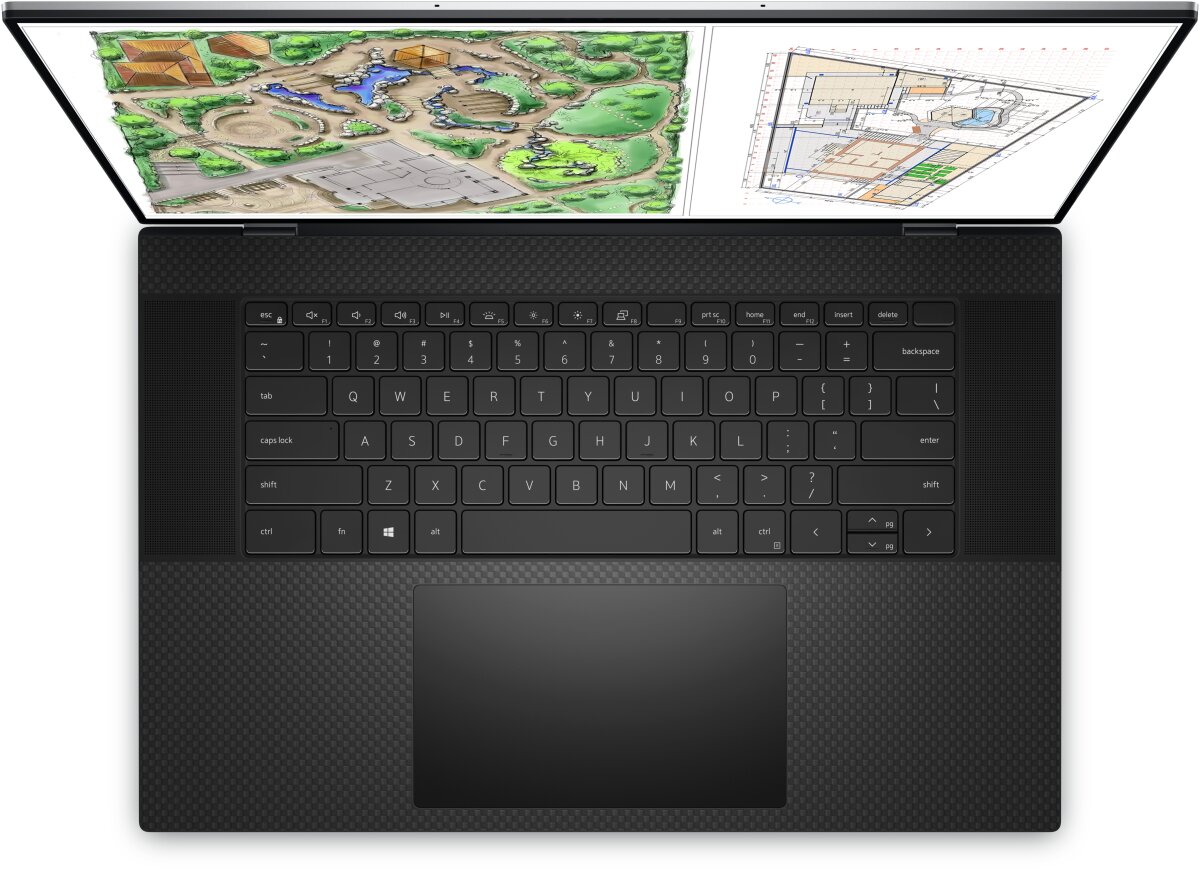

The Dell Precision 5770 laptop supports memory upgrades utilizing DDR5-SDRAM technology. The system features 2x SO-DIMM slots for RAM installation, accommodating a maximum capacity of 64 GB total memory. Compatible upgrade modules operate at 4800 MHz frequency specifications. The SO-DIMM form factor ensures compatibility with standard laptop memory configurations for the Precision 5000 series model.
Memory Upgrade Specifications
| Specification | Value |
|---|---|
| Memory slots | 2x SO-DIMM |
| Form factor | SO-DIMM |
| Memory type | DDR5-SDRAM |
| Frequency | 4800 MHz |
| Maximum RAM | 64 GB |
| Voltage | 1.1V |
| Number of pins | 262-pin |
| Interface | PC5 |
| PC Speed Rating | PC5-4800 (PC5-38400) |
| Bandwidth | 38.4 GB/s |
| Laptop Release date | 22 April 2022 |
Additional Notes
- The DELL Precision 5770 relies on DDR5-SDRAM technology, which operates at higher voltages than DDR4 and requires compatible chipset architecture, preventing any use of older DDR4 modules despite physical slot similarities.
- With only 2 SO-DIMM slots available, reaching the 64 GB maximum capacity requires installing 2 modules of 32 GB each, eliminating the option for incremental upgrades beyond that configuration.
- The 4800 MHz frequency represents the JEDEC-standard baseline speed for DDR5, meaning the system does not support higher-performance XMP or overclocked modules that exceed this specification.
- SO-DIMM form factor modules measure 67.6 mm in length compared to 133.35 mm for desktop DIMM modules, requiring specific laptop-oriented memory purchases rather than standard desktop RAM.
- DDR5 architecture uses on-module voltage regulation and error correction, adding components to the physical PCB that increase module thickness compared to DDR4 SO-DIMMs, potentially creating clearance issues with older aftermarket cooling solutions.
- Operating dual-channel mode requires matched pairs of identical capacity modules in both slots to achieve maximum memory bandwidth, making mismatched configurations function in single-channel mode with reduced throughput.
- The mobile workstation chassis typically allows RAM replacement without voiding manufacturer warranty, as memory slots remain accessible through bottom panel removal rather than requiring full disassembly.
- DDR5-4800 modules maintain backward compatibility with systems rated for lower DDR5 speeds but will not function in platforms designed exclusively for DDR5-5200 or higher without supporting downclocking.
- The integrated memory controller within the CPU governs actual operational frequency, meaning modules rated above 4800 MHz will default to this speed unless BIOS settings explicitly enable higher profiles.
- Thermal constraints in the laptop enclosure may throttle performance if high-density 32 GB modules generate excessive heat during sustained workloads, particularly when both slots are populated to maximum capacity.