DELL Precision 5570 RAM upgrade specifications


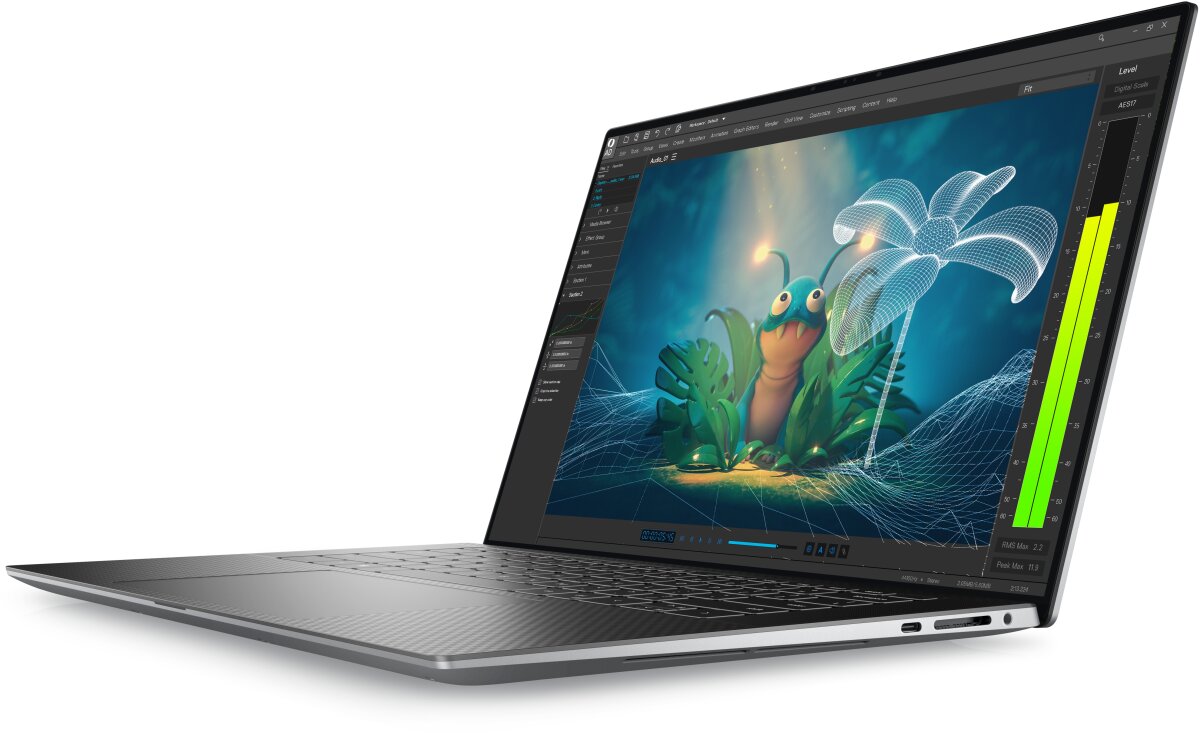


DELL Precision 5000 series model 5570 features two SO-DIMM memory slots compatible with DDR5-SDRAM modules operating at 4800 MHz. Maximum supported RAM capacity reaches 64 GB for this laptop model. Memory upgrade specifications indicate SO-DIMM form factor compatibility. Existing memory can be supplemented or replaced to achieve maximum capacity within the two available slots on the Precision 5570.
Memory Upgrade Specifications
| Specification | Value |
|---|---|
| Memory slots | 2x SO-DIMM |
| Form factor | SO-DIMM |
| Memory type | DDR5-SDRAM |
| Frequency | 4800 MHz |
| Maximum RAM | 64 GB |
| Voltage | 1.1V |
| Number of pins | 262-pin |
| Interface | PC5 |
| PC Speed Rating | PC5-4800 (PC5-38400) |
| Bandwidth | 38.4 GB/s |
| Laptop Release date | 04 March 2023 |
Additional Notes
- The DELL Precision 5570 requires SO-DIMM modules specifically engineered for DDR5 voltage and pin configuration, which differs fundamentally from DDR4 modules despite identical physical slot dimensions.
- The 4800 MHz frequency represents JEDEC baseline timing for DDR5, meaning modules rated at higher speeds will automatically downclock to match the system's memory controller specifications.
- The 64 GB maximum capacity permits installation of either 2x32 GB modules or asymmetric configurations like 16 GB plus 48 GB, though dual-channel bandwidth optimization occurs only when identical module pairs occupy both slots.
- Thermal constraints in compact workstation chassis may cause DDR5 modules to activate built-in throttling mechanisms during sustained memory-intensive operations, as DDR5 generates approximately 30% more heat than equivalent DDR4 configurations.
- The SO-DIMM form factor restricts aftermarket module availability compared to desktop DIMM standards, particularly for premium capacity and speed grades above baseline specifications.
- Warranty preservation typically requires using modules tested for compatibility with mobile workstation platforms, as desktop-validated DDR5 may fail SPD verification during POST despite correct physical specifications.
- Single-slot population reduces theoretical memory bandwidth by 50% compared to dual-channel operation, creating measurable performance degradation in CAD rendering, compilation tasks, and virtual machine operations.
- The 2-slot limitation forces a complete module replacement when upgrading beyond 50% of maximum capacity, eliminating the option to preserve existing memory investment.
- DDR5 on-die ECC functionality operates independently of platform ECC support, providing bit error correction within individual memory chips regardless of system configuration.
- Power delivery architecture for DDR5 SO-DIMM modules incorporates voltage regulation directly on the memory stick, distinguishing it from DDR4's motherboard-based voltage management.