DELL Precision 5540 RAM upgrade specifications
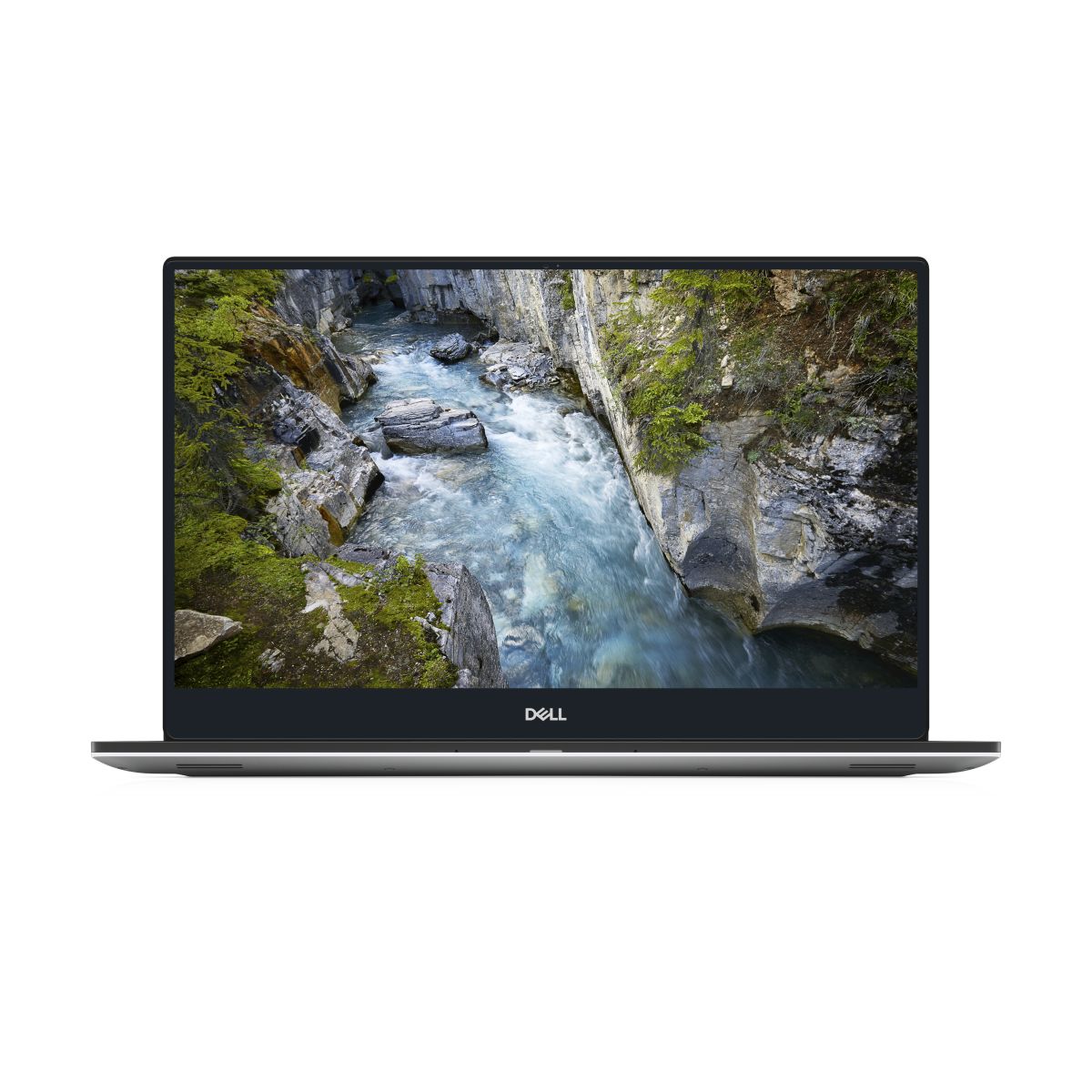
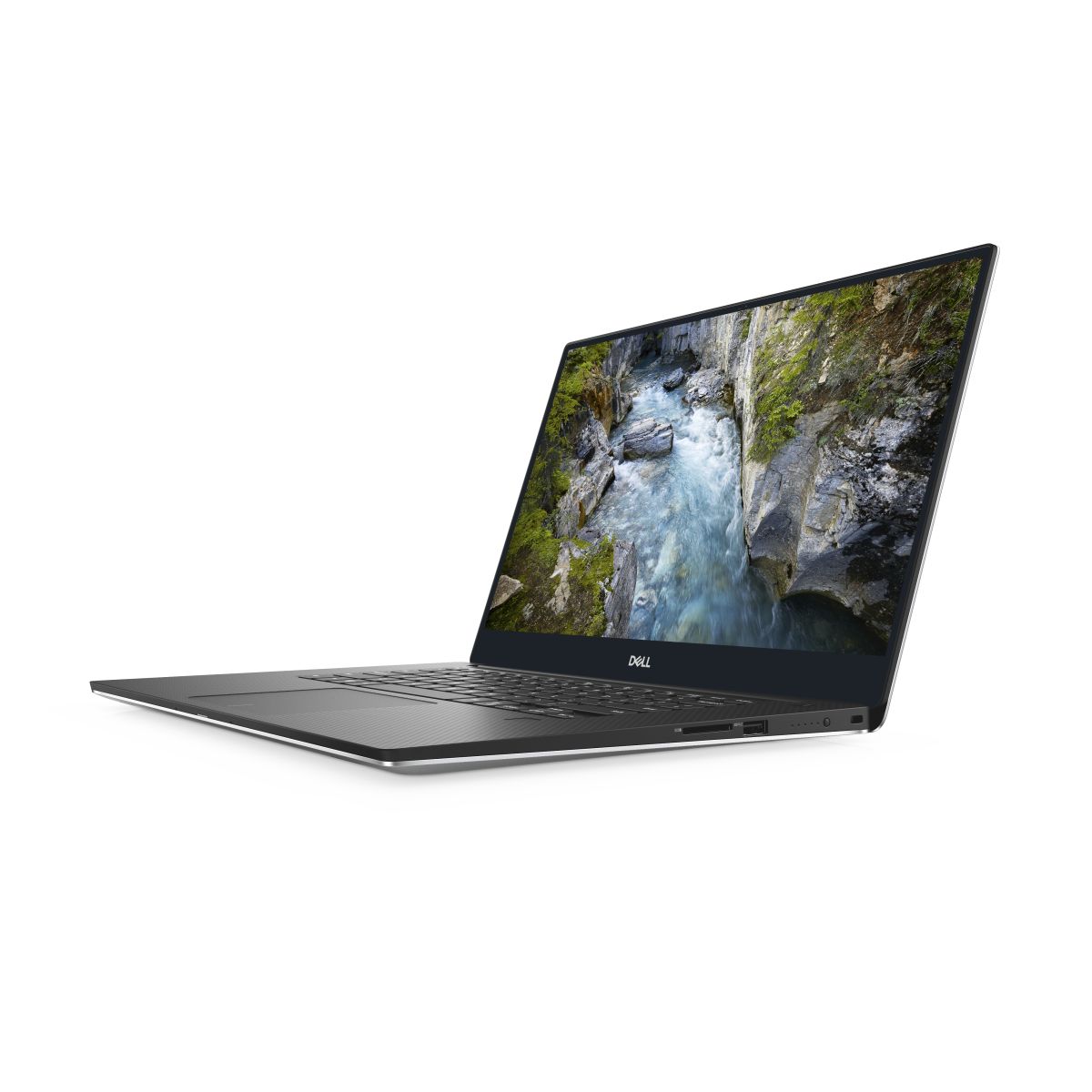
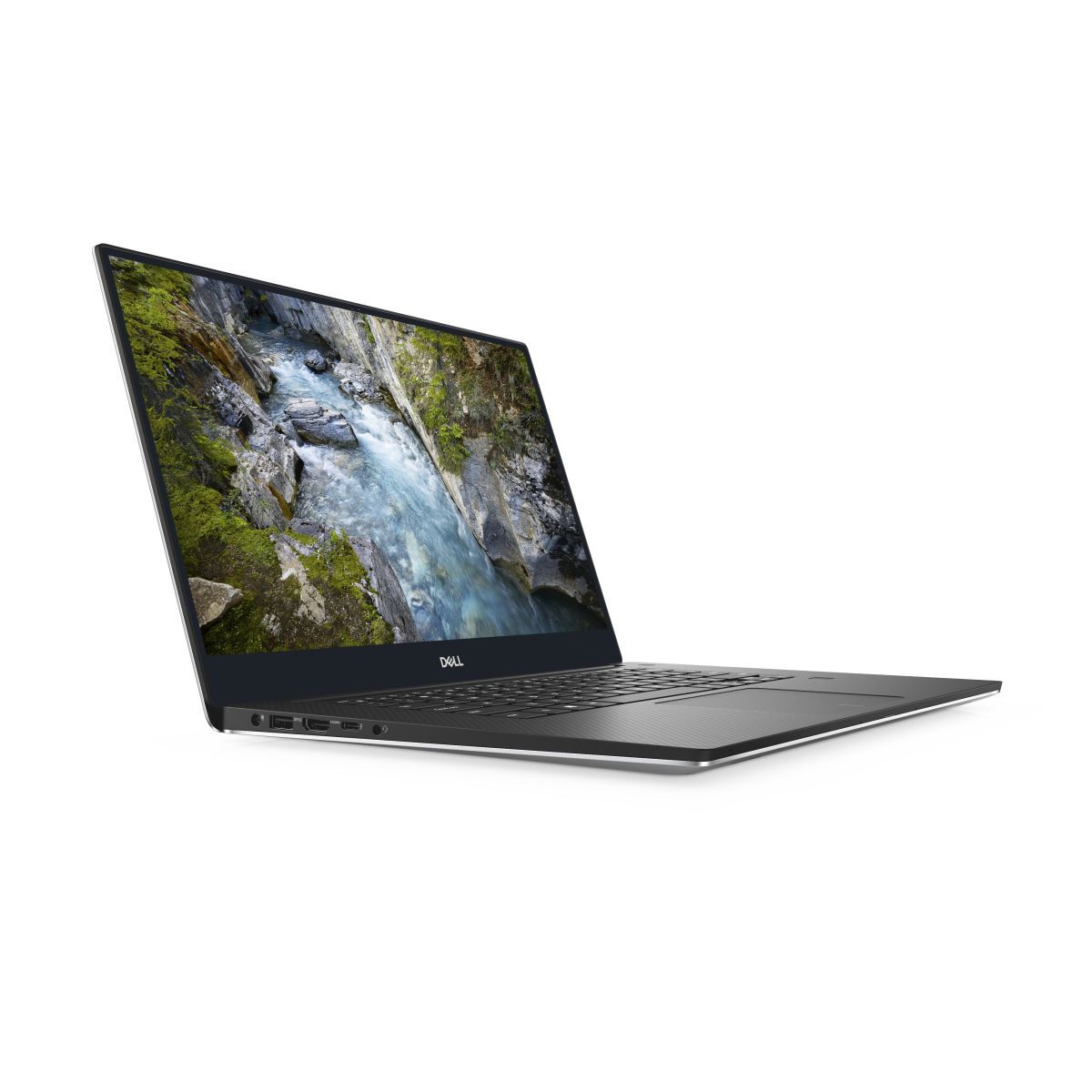
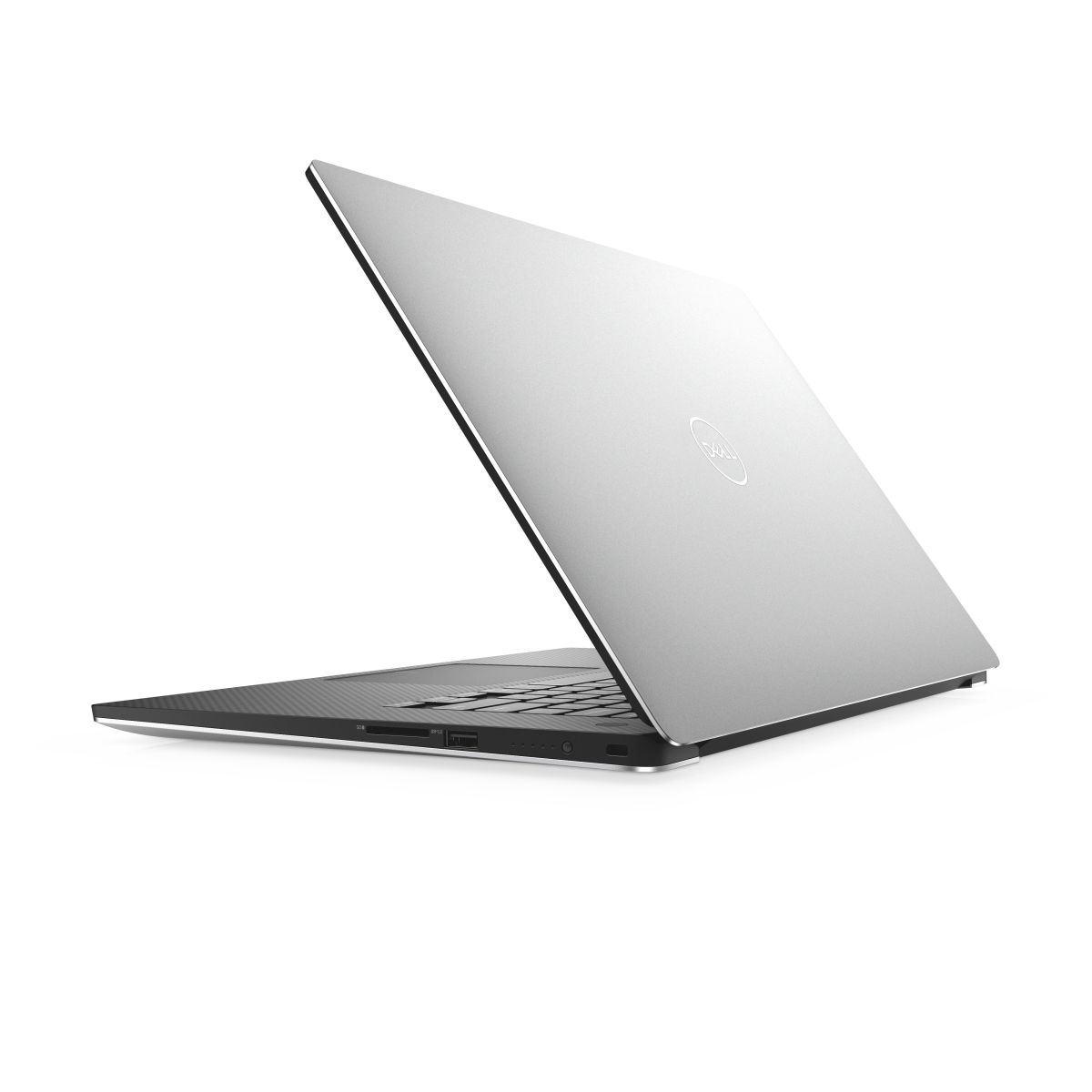
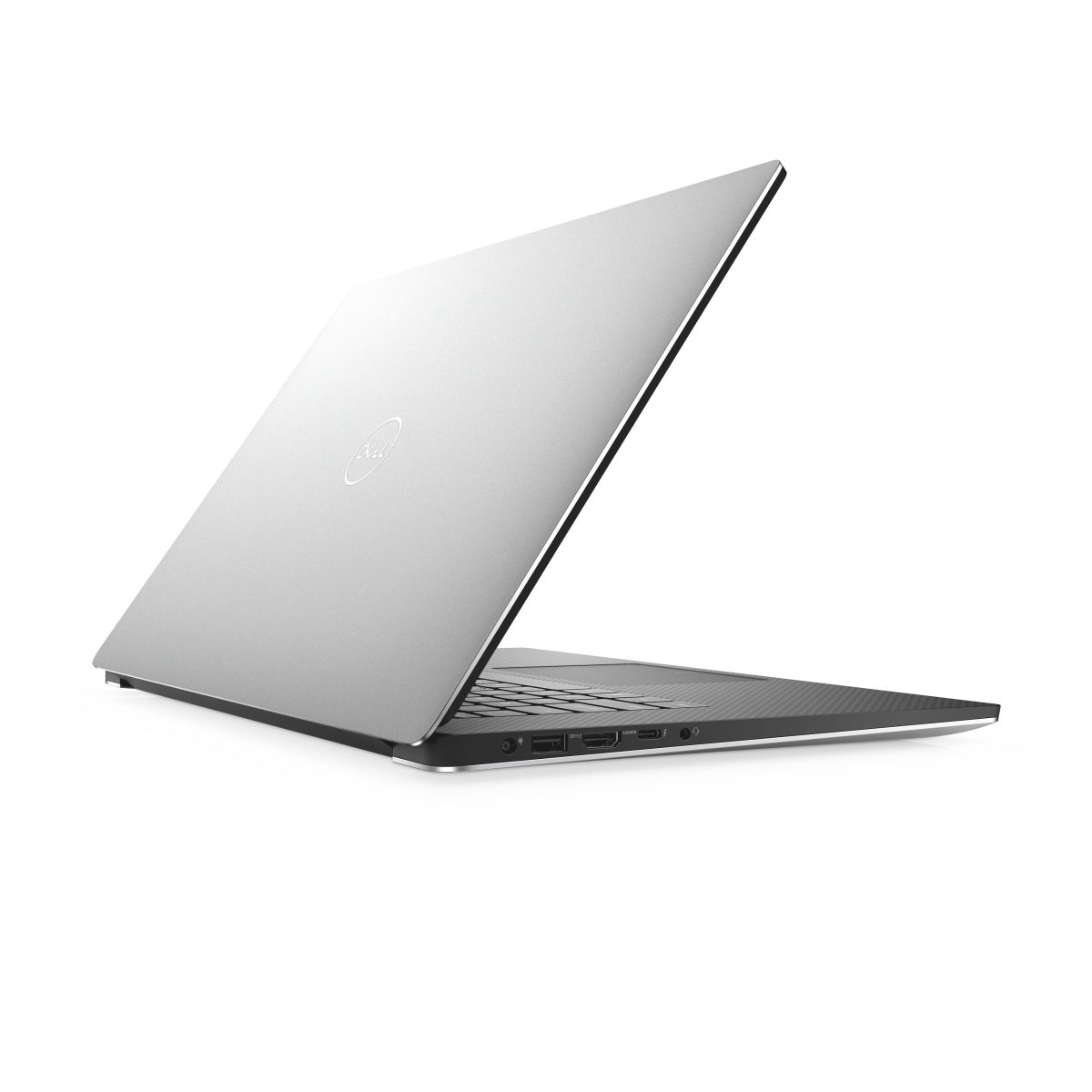
The Dell Precision 5540 laptop supports DDR4-SDRAM memory upgrades with 2x SO-DIMM slots available for expansion. Maximum RAM capacity reaches 64 GB total, with compatible modules operating at 2666 MHz frequency. The memory form factor is SO-DIMM, designed specifically for portable computing devices. Upgrade specifications for the Dell Precision 5000 Series 5540 model allow users to enhance system performance through compatible DDR4 memory modules within the stated maximum capacity and slot limitations.
Memory Upgrade Specifications
| Specification | Value |
|---|---|
| Memory slots | 2x SO-DIMM |
| Form factor | SO-DIMM |
| Memory type | DDR4-SDRAM |
| Frequency | 2666 MHz |
| Maximum RAM | 64 GB |
| Voltage | 1.2V |
| Number of pins | 260-pin |
| Interface | PC4 |
| PC Speed Rating | PC4-2666 (PC4-21328) |
| Bandwidth | 21.3 GB/s |
| Laptop Release date | 05 February 2020 |
Additional Notes
- The DELL Precision 5540 accepts only non-ECC unbuffered SO-DIMM modules, as workstation-grade error-correcting memory is not supported in this dual-slot configuration.
- Peak theoretical memory bandwidth reaches 42.6 GB/s when operating two modules in dual-channel mode at 2666 MT/s, compared to 21.3 GB/s with a single module.
- Installing a single 64 GB module sacrifices approximately 50% memory throughput because the second channel remains inactive until both slots contain modules of matched specifications.
- Mixing modules with different clock speeds forces all installed memory to operate at the frequency of the slowest module, potentially downclocking faster RAM to 2400 MHz or lower.
- The 64 GB maximum capacity requires two 32 GB SO-DIMM modules, which use higher-density memory chips that may exhibit slightly higher latency than equivalent 16 GB modules at identical MHz ratings.
- JEDEC-standard 1.2V DDR4 modules maintain compatibility, while low-voltage variants rated at 1.35V or higher may trigger POST failures or thermal throttling under sustained workloads.
- Physical module height must not exceed 30mm to clear the chassis internals, as taller heat spreaders can interfere with the base cover assembly during reinstallation.
- Accessing the memory slots requires complete bottom panel removal rather than a dedicated service door, which breaks factory seal stickers on certain regional SKUs that affect warranty claim processing.
- CAS latency timings between CL17 and CL19 produce negligible real-world performance differences at this frequency tier, as the memory controller's efficiency matters more than subtiming optimizations.
- Third-party modules must conform to SPD programming standards that correctly identify capacity and timings, as improperly programmed SPD chips cause the system to default to conservative failsafe settings.