DELL Precision 5760 RAM upgrade specifications


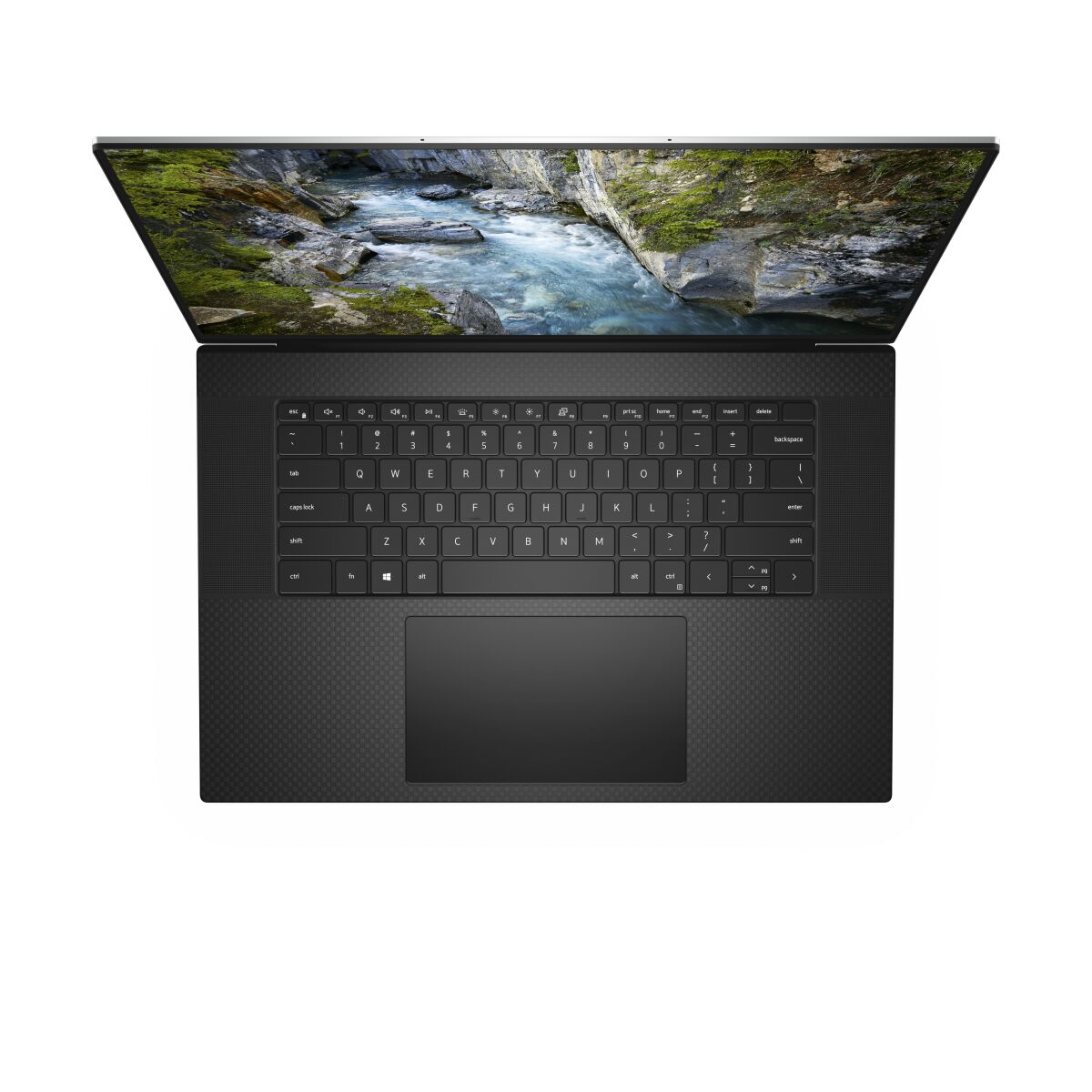
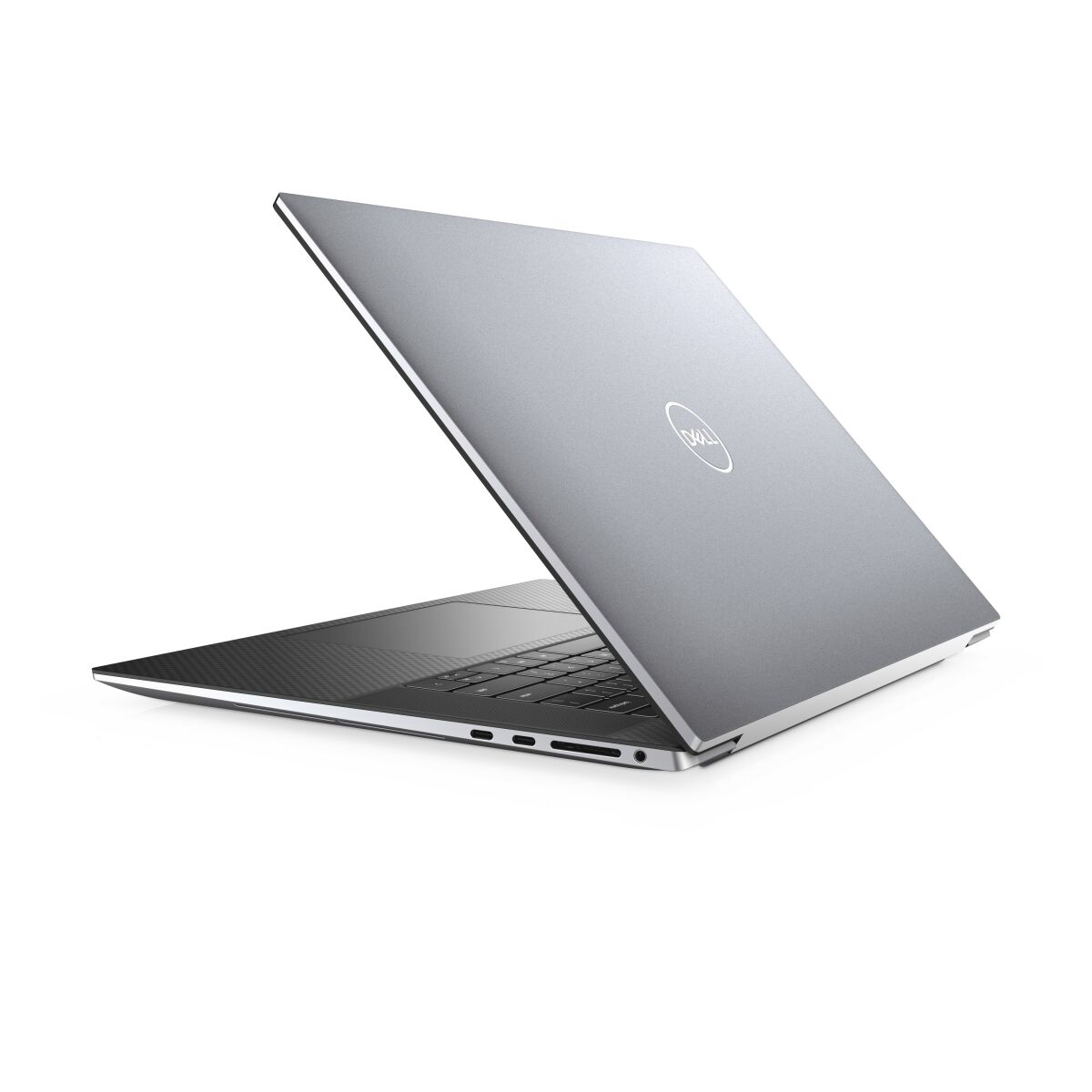
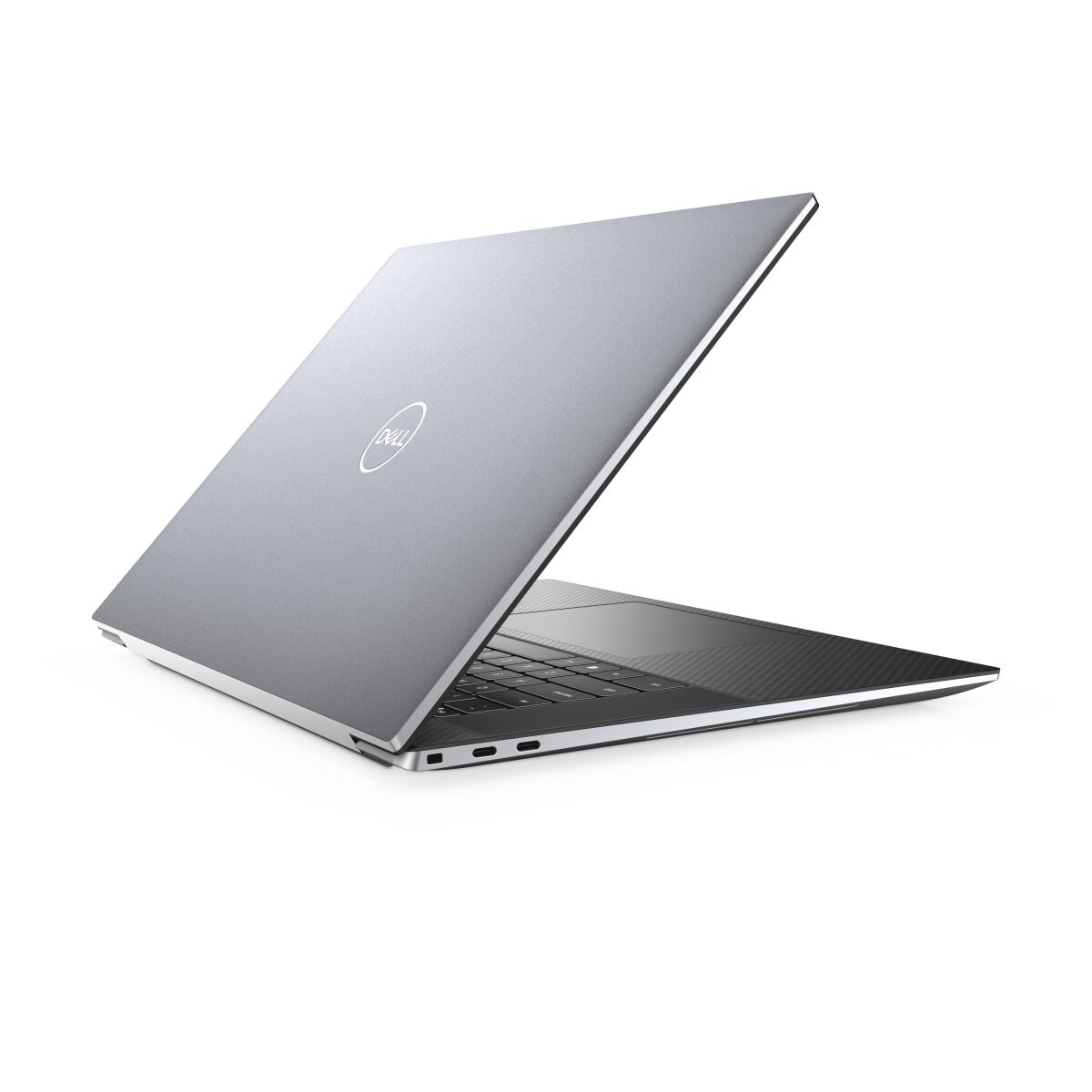
DELL Precision 5000 series model 5760 supports memory upgrades utilizing DDR4-SDRAM technology. The laptop contains 2x SO-DIMM slots for memory expansion. Maximum RAM capacity reaches 64 GB total, with compatible modules operating at 3200 MHz frequency. Specifications indicate SO-DIMM form factor memory modules are required for upgrade compatibility with the Precision 5760 mobile workstation platform.
Memory Upgrade Specifications
| Specification | Value |
|---|---|
| Memory slots | 2x SO-DIMM |
| Form factor | SO-DIMM |
| Memory type | DDR4-SDRAM |
| Frequency | 3200 MHz |
| Maximum RAM | 64 GB |
| Voltage | 1.2V |
| Number of pins | 260-pin |
| Interface | PC4 |
| PC Speed Rating | PC4-3200 (PC4-25600) |
| Bandwidth | 25.6 GB/s |
| Laptop Release date | 28 June 2021 |
Additional Notes
- The DDR4-3200 specification indicates PCIe 3.0 storage compatibility, which may create throughput mismatches when paired with newer PCIe 4.0 SSDs that cannot reach their rated sequential speeds.
- The 64 GB ceiling requires 2 modules of 32 GB each, limiting future expansion since both SO-DIMM slots must be populated simultaneously to reach maximum capacity.
- SO-DIMM modules operating at 3200 MHz under JEDEC standards use 1.2V, which prevents the use of older DDR4-2133 or DDR4-2400 modules rated at 1.35V without potential stability issues.
- The DELL Precision 5760 workstation architecture enforces dual-channel mode only when identical capacity modules occupy both slots, otherwise defaulting to single-channel operation with significant memory bandwidth reduction.
- Non-ECC SO-DIMM compatibility must be verified, as some Precision configurations ship with ECC memory that cannot be mixed with unbuffered modules without causing POST failures.
- The 3200 MHz frequency assumes Intel XMP 2.0 profile support, meaning modules may downclock to 2933 MHz or 2666 MHz if the specific processor SKU does not support the higher JEDEC baseline.
- Thermal constraints in the mobile workstation chassis may throttle sustained memory-intensive workloads when both slots contain dual-rank 32 GB modules due to increased heat density compared to single-rank configurations.
- Warranty preservation requires avoiding third-party disassembly of the bottom panel on units still under Dell ProSupport contracts, as evidence of unauthorized access can void coverage for unrelated component failures.
- CAS latency differences between mixed modules, even at identical frequencies, force the memory controller to adopt the slower timing specification across both channels, degrading effective throughput.