FUJITSU LIFEBOOK AH557 RAM upgrade specifications
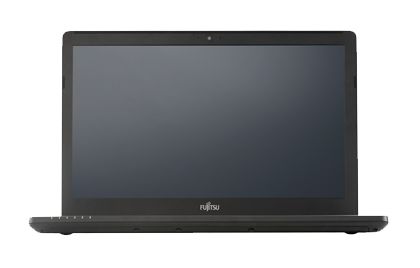
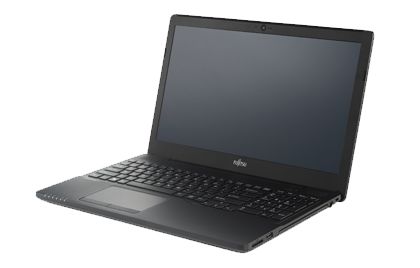
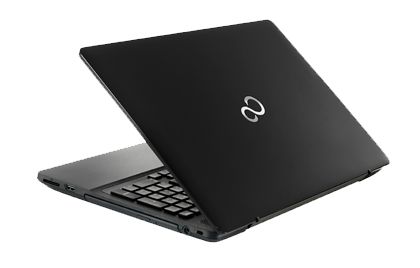
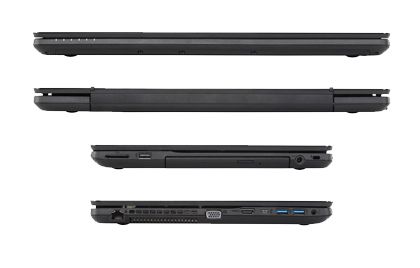
The FUJITSU LIFEBOOK AH series AH557 laptop features two SO-DIMM memory slots supporting DDR4-SDRAM upgrade capacity. Compatible memory specifications include DDR4 modules operating at 2133 MHz frequency. Maximum RAM capacity reaches 32 GB total across both slots. Current memory configuration specifications and compatible upgrade options support standard SO-DIMM form factor modules for this LIFEBOOK AH557 model.
Memory Upgrade Specifications
| Specification | Value |
|---|---|
| Memory slots | 2x SO-DIMM |
| Form factor | SO-DIMM |
| Memory type | DDR4-SDRAM |
| Frequency | 2133 MHz |
| Maximum RAM | 32 GB |
| Voltage | 1.2V |
| Number of pins | 260-pin |
| Interface | PC4 |
| PC Speed Rating | PC4-2133 (PC4-17064) |
| Bandwidth | 17.1 GB/s |
| Laptop Release date | 15 November 2017 |
Additional Notes
- DDR4-2133 MHz represents a legacy frequency tier; most contemporary DDR4 modules operate at 2400 MHz or higher, creating potential compatibility issues with mixed-speed configurations that would throttle all memory to the slowest module's specification.
- The 2x SO-DIMM architecture permits maximum capacity expansion to 32 GB through 2x 16 GB modules, leaving no upgrade path beyond this ceiling without replacement of existing memory.
- SO-DIMM form factor constrains compatible modules to laptop-grade memory exclusively; desktop DDR4 UDIMM components cannot be mechanically or electrically adapted to this system.
- DDR4-2133 frequency indicates the AH557 incorporates processing hardware predating the 2015-2016 market transition to higher memory speeds, potentially paired with older CPU generations that lack support for XMP or DOCP overclocking profiles.
- Warranty retention during memory upgrades requires purchasing unbuffered, non-ECC SO-DIMM modules meeting the 2133 MHz specification; mixing ECC and non-ECC modules in the same system may cause operational instability or boot failures depending on BIOS configuration.
- Bandwidth saturation risk exists if this system pairs the DDR4-2133 memory with modern discrete GPUs or high-speed NVMe storage, as older memory frequencies may become a throughput bottleneck under intensive workloads.