FUJITSU LIFEBOOK AH532 RAM upgrade specifications
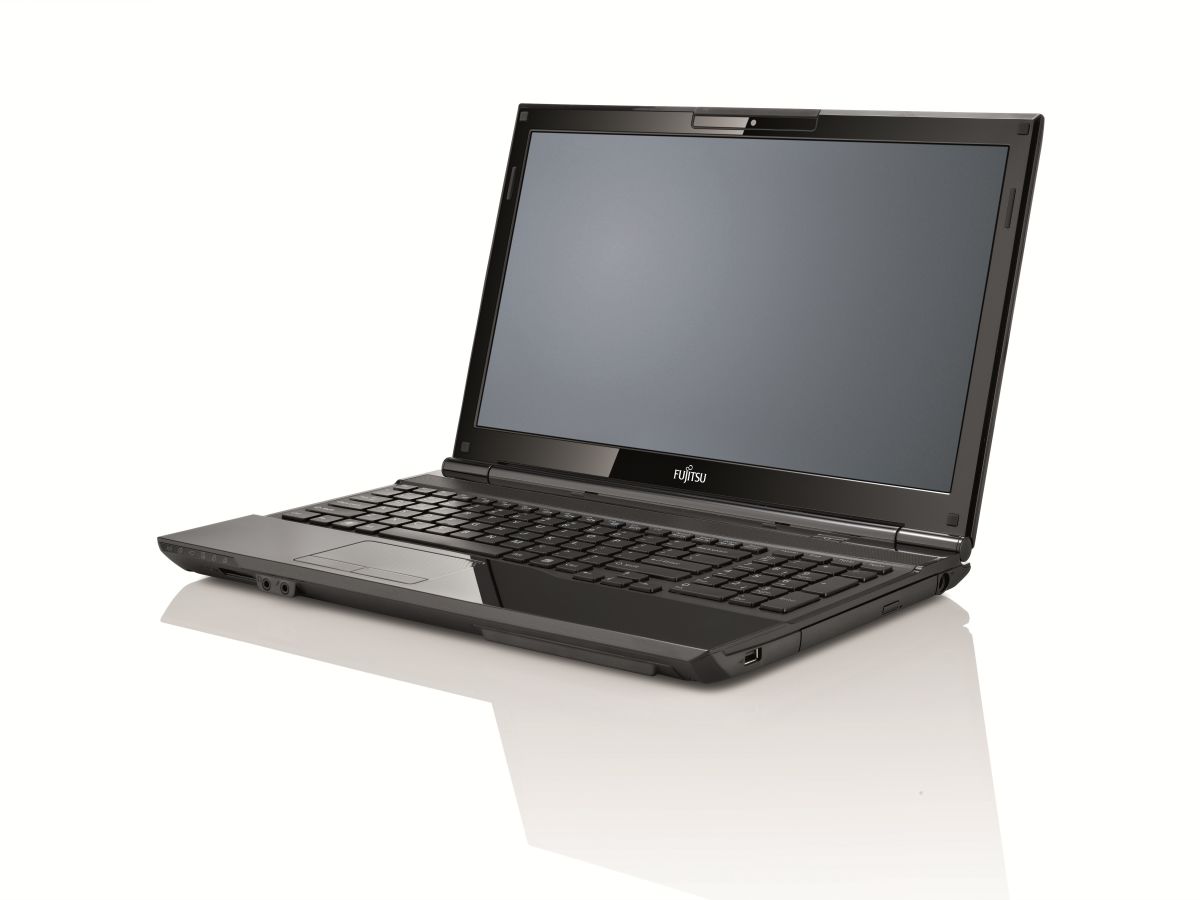

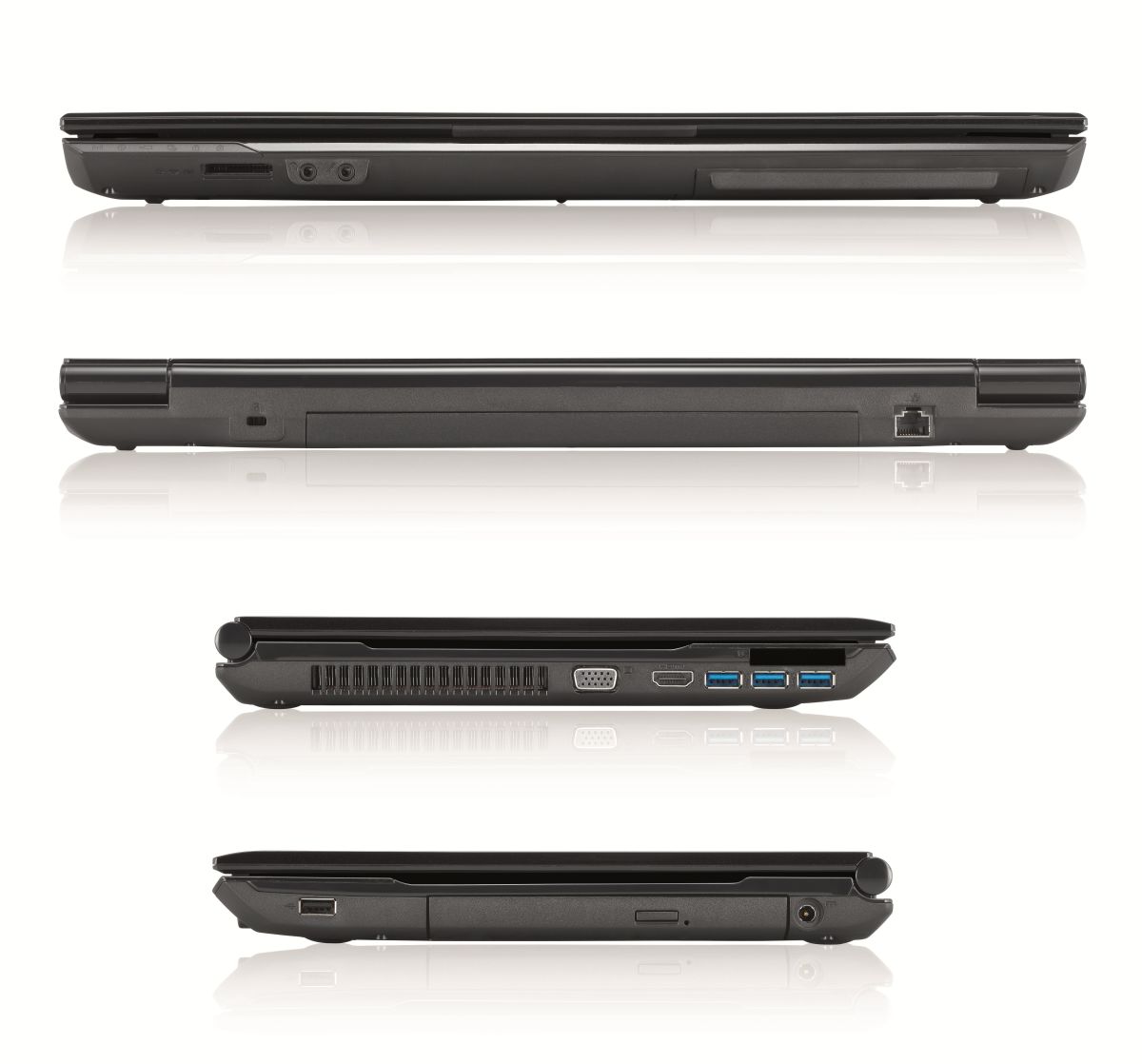
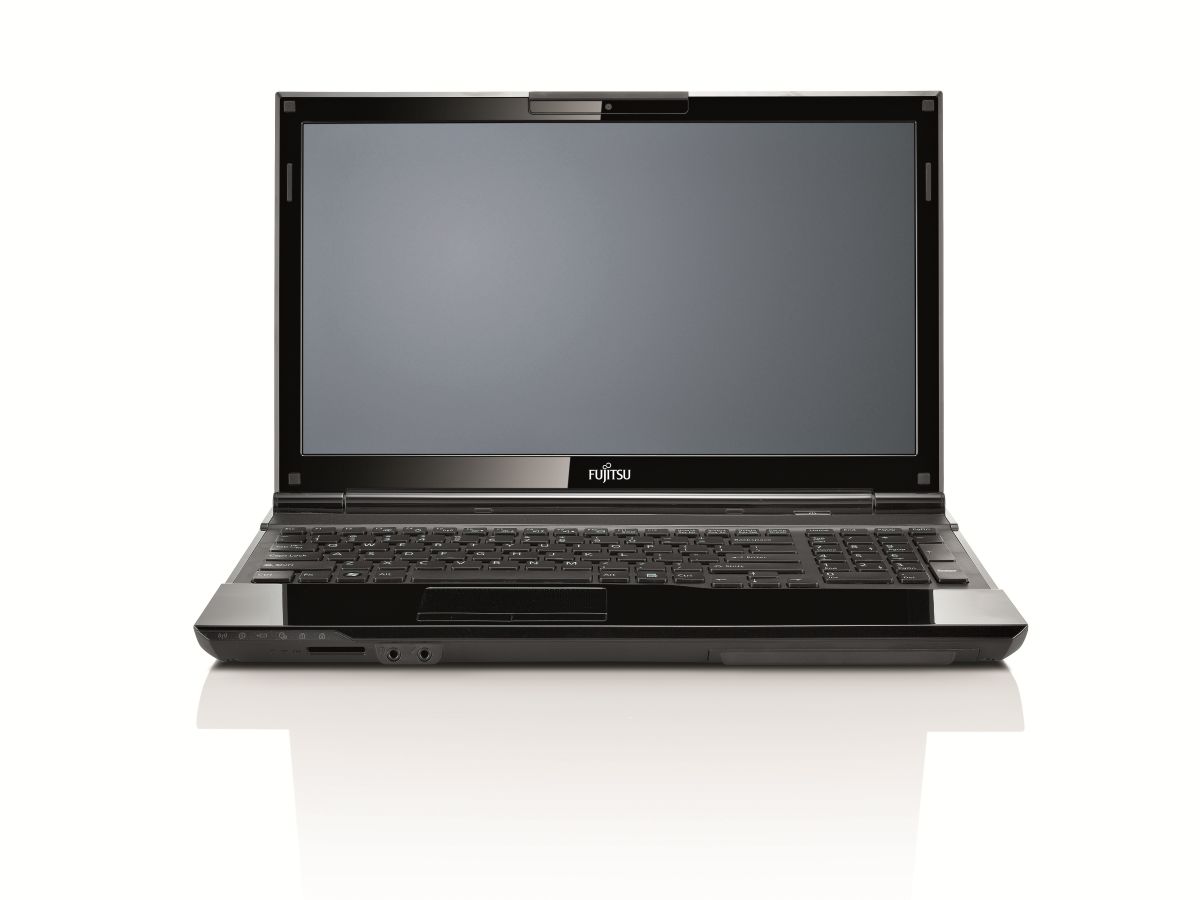
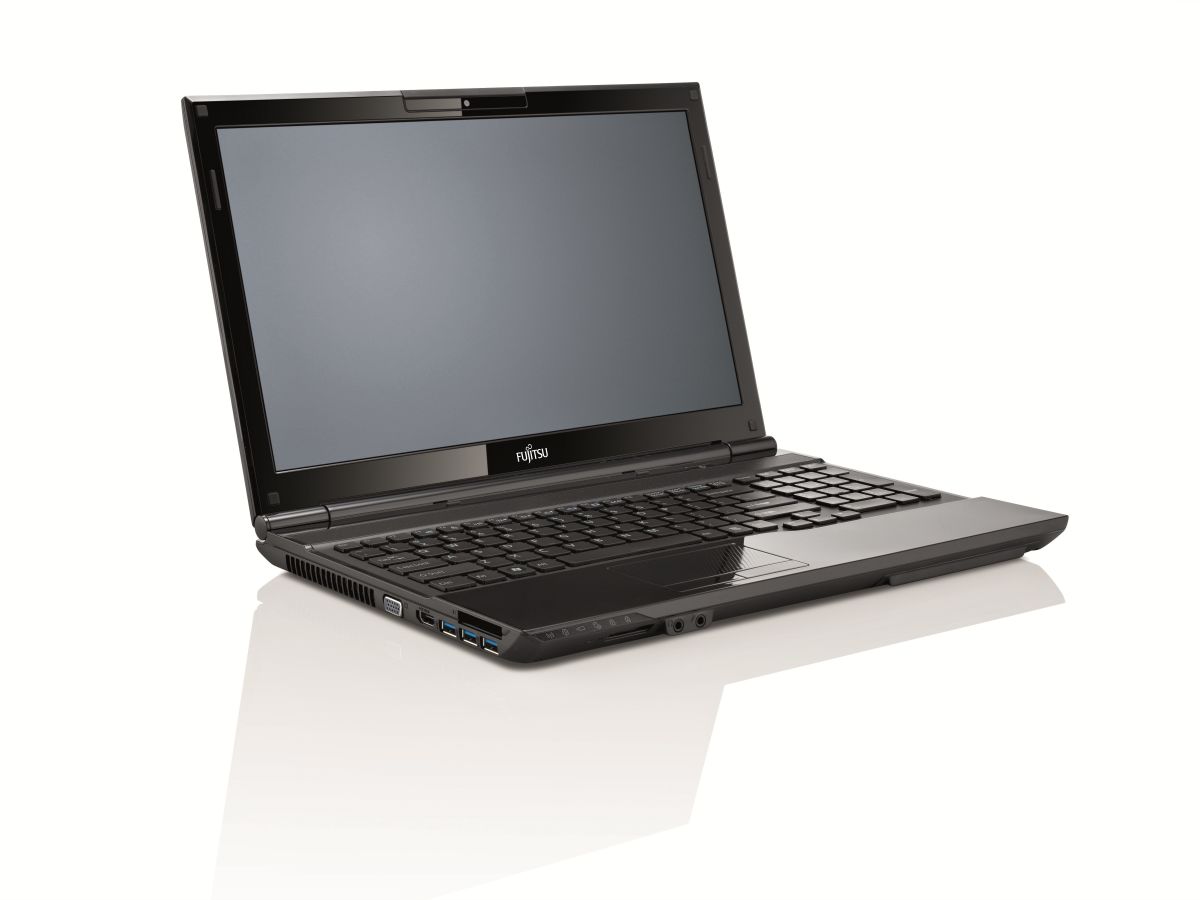
FUJITSU LIFEBOOK AH532 laptop RAM upgrade specifications include two SO-DIMM memory slots supporting DDR3-SDRAM modules. The compatible upgrade delivers maximum RAM capacity of 16 GB with specifications at 1600 MHz frequency. Upgrade compatibility requires DDR3-SDRAM SO-DIMM form factor modules, enabling incremental capacity expansion within slot constraints and maximum specifications limits.
Memory Upgrade Specifications
| Specification | Value |
|---|---|
| Memory slots | 2x SO-DIMM |
| Form factor | SO-DIMM |
| Memory type | DDR3-SDRAM |
| Frequency | 1600 MHz |
| Maximum RAM | 16 GB |
| Voltage | 1.5V |
| Number of pins | 204-pin |
| Interface | PC3 |
| PC Speed Rating | PC3-1600 (PC3-12800) |
| Bandwidth | 12.8 GB/s |
| Laptop Release date | 03 November 2013 |
Additional Notes
- The Fujitsu LIFEBOOK AH532 accommodates only 2 memory slots, which eliminates staged upgrade pathways. Users cannot install intermediate capacities before reaching maximum configuration without discarding existing modules.
- DDR3-1600 modules operate within a narrower speed specification window than contemporary DDR3 variants. Memory marketed as DDR3-1866 or DDR3-2133 will throttle to 1600 MHz on this platform, negating performance claims and creating potential compatibility friction with vendor support.
- The 16 GB theoretical ceiling represents a hard constraint imposed by the chipset and BIOS firmware. Modules exceeding this aggregate capacity will not be recognized, rendering excess hardware inert regardless of physical installation.
- SO-DIMM form factor restricts upgrade sourcing to laptop-specific inventory. Desktop DDR3 modules (DIMM standard) cannot physically mount in these slots, requiring careful vendor verification during procurement to avoid installation failures.
- Single-sided SO-DIMM modules ensure compatibility across most production batches of this generation. Dual-sided variants risk recognition failures in systems with stricter memory controller specifications, though factory-tested matched pairs mitigate this risk.
- The 2-slot architecture creates a bandwidth asymmetry problem during single-module operation. Installing 1 module instead of 2 halves the effective memory bandwidth available to the processor, producing measurable performance degradation in memory-intensive workloads relative to dual-channel configurations.
- Warranty coverage typically permits SO-DIMM replacement without voiding manufacturer protection, provided modules meet published specifications. Third-party memory installation generally preserves coverage when performed by end users, though this varies by regional policy.