FUJITSU LIFEBOOK A556 RAM upgrade specifications
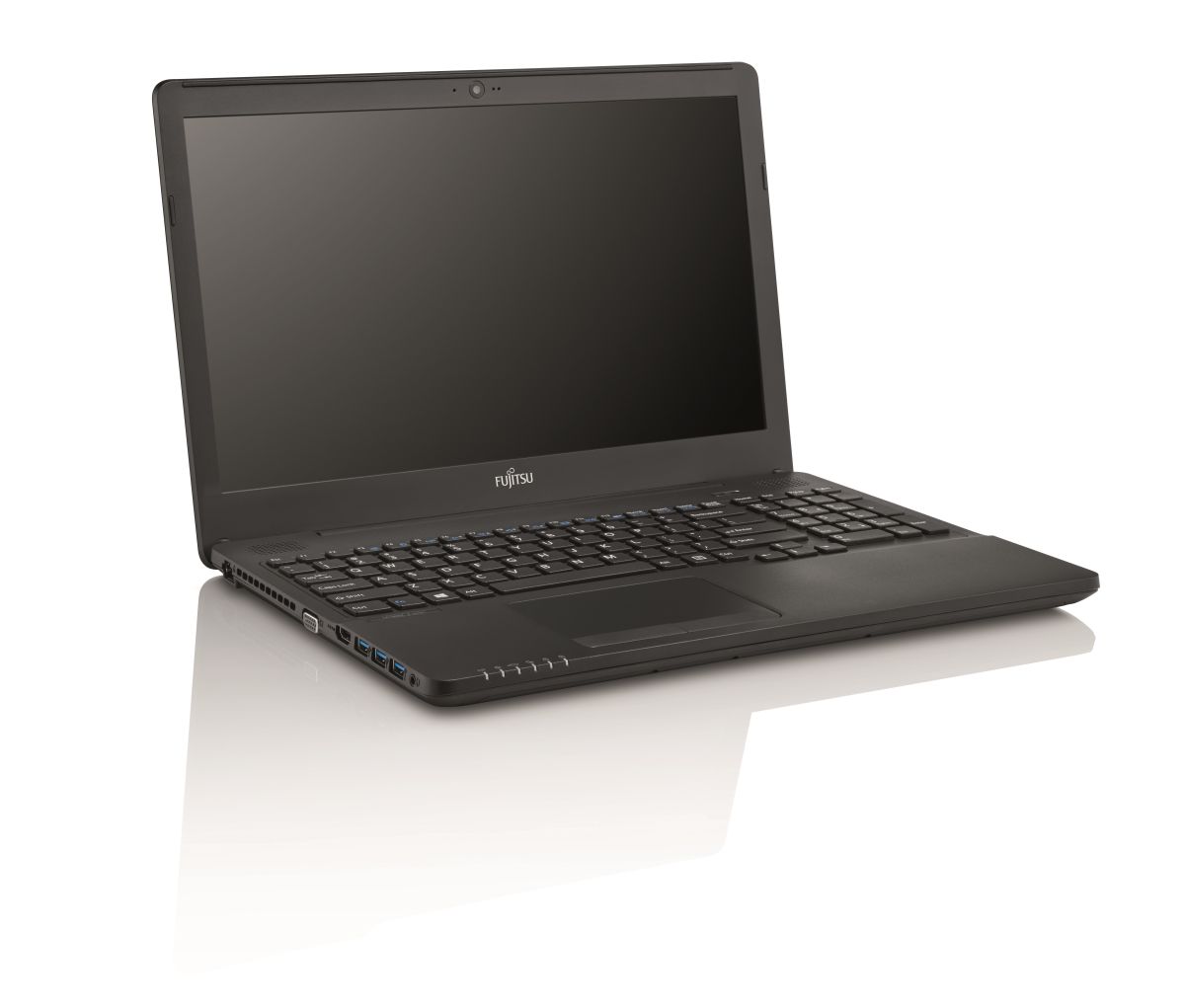
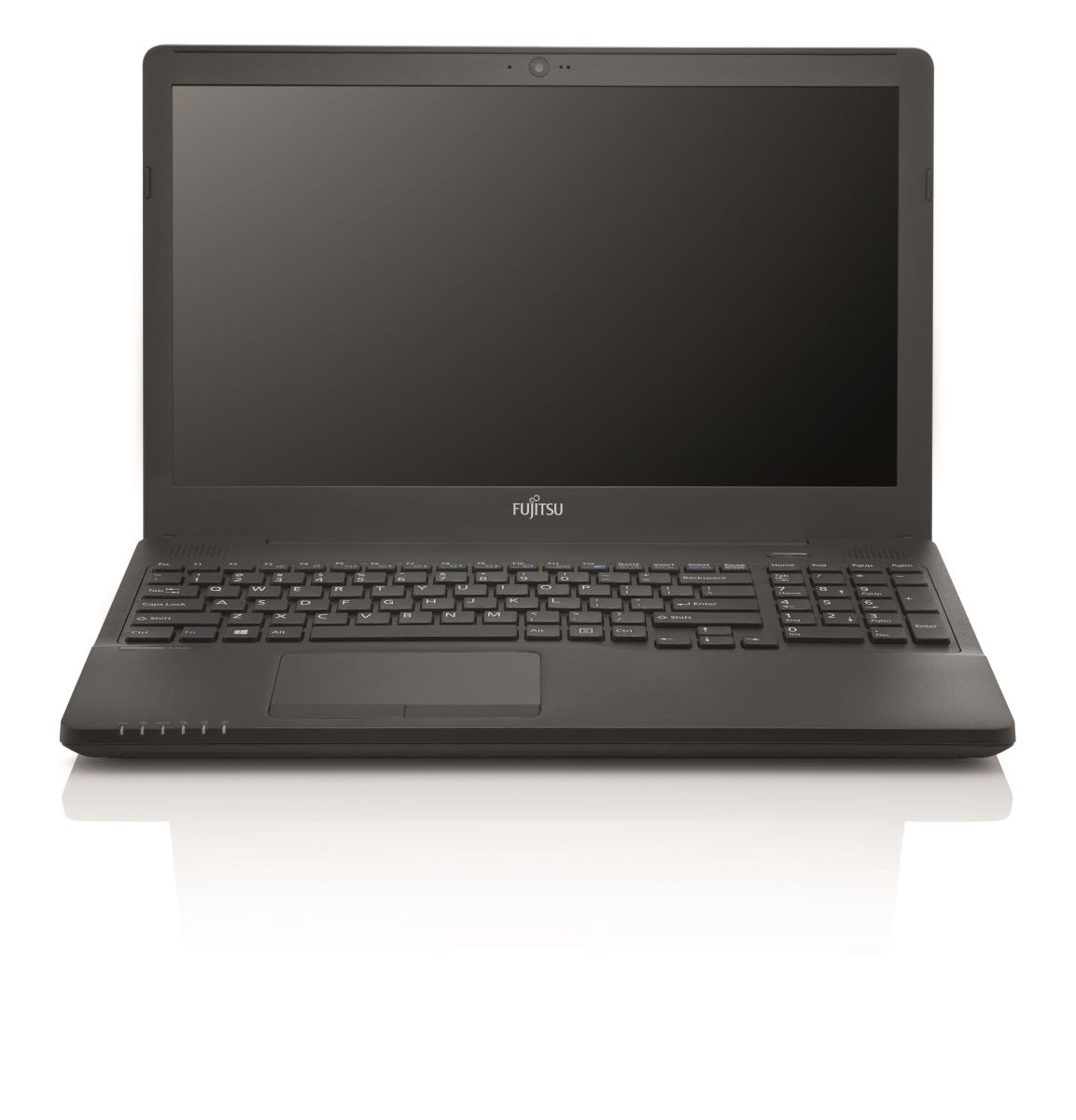
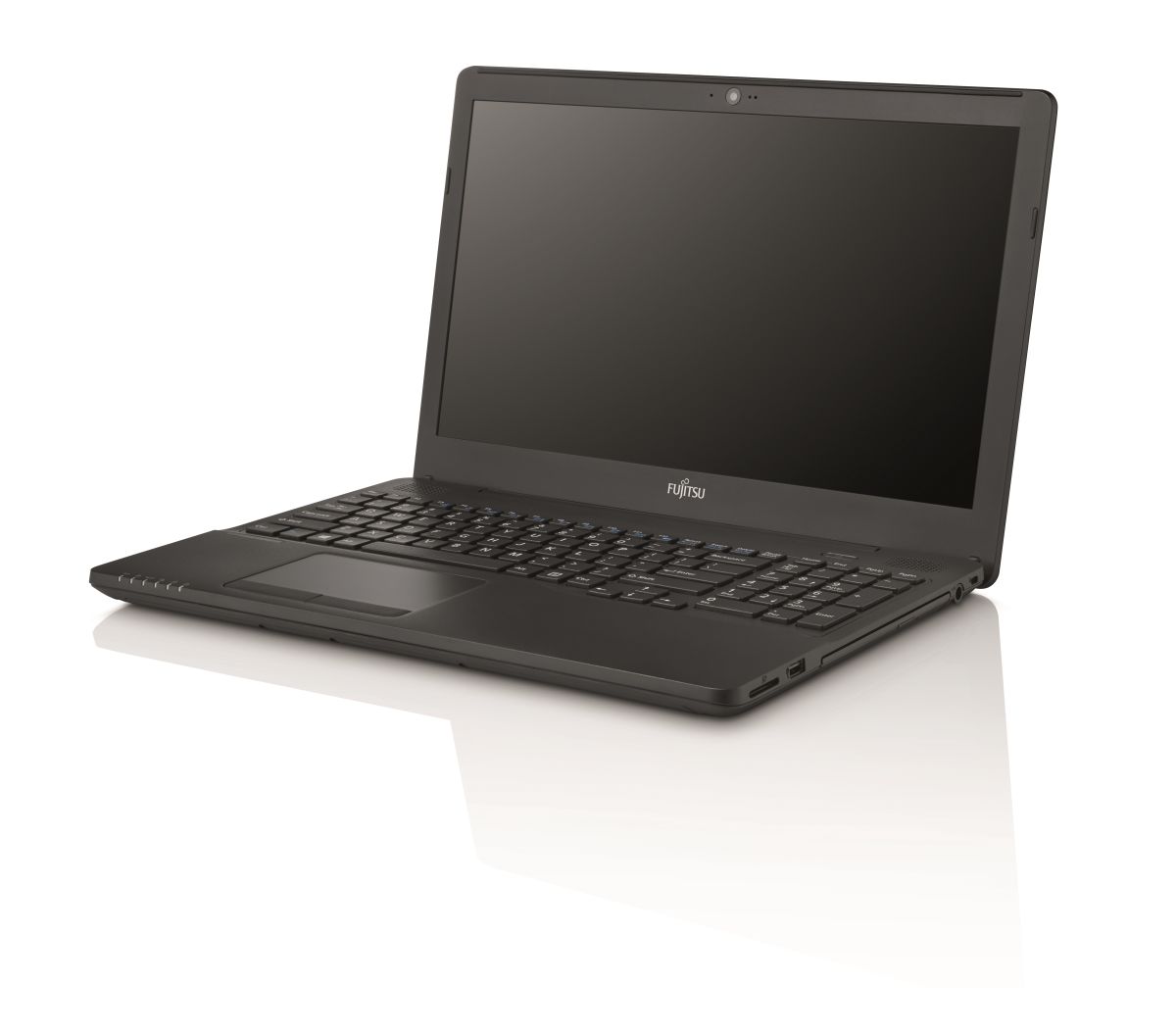
The FUJITSU LIFEBOOK A556 laptop features two SO-DIMM slots supporting DDR4-SDRAM memory modules at 2133 MHz frequency. Maximum RAM capacity reaches 32 GB total. Compatible memory upgrades utilize the SO-DIMM form factor, enabling users to expand system memory specifications from original configurations. FUJITSU A556 memory specifications support standard DDR4 upgrade modules within the defined compatibility parameters and maximum capacity constraints.
Memory Upgrade Specifications
| Specification | Value |
|---|---|
| Memory slots | 2x SO-DIMM |
| Form factor | SO-DIMM |
| Memory type | DDR4-SDRAM |
| Frequency | 2133 MHz |
| Maximum RAM | 32 GB |
| Voltage | 1.2V |
| Number of pins | 260-pin |
| Interface | PC4 |
| PC Speed Rating | PC4-2133 (PC4-17064) |
| Bandwidth | 17.1 GB/s |
| Laptop Release date | 18 August 2017 |
Additional Notes
- The FUJITSU LIFEBOOK A556 requires DDR4 SO-DIMM modules, which are physically incompatible with DDR3 or DDR3L modules due to different notch positioning and voltage requirements.
- The 2133 MHz frequency specification represents DDR4-2133 operation, which translates to a theoretical maximum bandwidth of 17.1 GB/s per channel in dual-channel configuration.
- Installing modules of different capacities across the 2 slots will still enable dual-channel operation, though optimal bandwidth utilization occurs when identical capacity modules populate both channels.
- The 32 GB maximum capacity allows for a 2x16 GB configuration, requiring installation of matching 16 GB modules to reach this ceiling.
- DDR4 modules rated at higher speeds such as 2400 MHz or 2666 MHz will downclock to 2133 MHz when installed, matching the system's supported frequency specification.
- The SO-DIMM form factor restricts physical module length to approximately 67.6 mm, preventing standard DIMM desktop memory from fitting the slots.
- Accessing the memory slots typically requires bottom panel removal, which may affect warranty status depending on regional service policies and seal configurations.
- Single-channel operation occurs when only 1 slot is populated, reducing memory bandwidth by approximately 50 percent compared to dual-channel configuration.
- DDR4 operates at 1.2V standard voltage, eliminating compatibility with legacy 1.35V or 1.5V memory technologies from previous generation systems.
- The architecture supports unbuffered non-ECC SO-DIMM modules, making registered or ECC memory types incompatible despite matching physical specifications.