FUJITSU LIFEBOOK A555/G RAM upgrade specifications
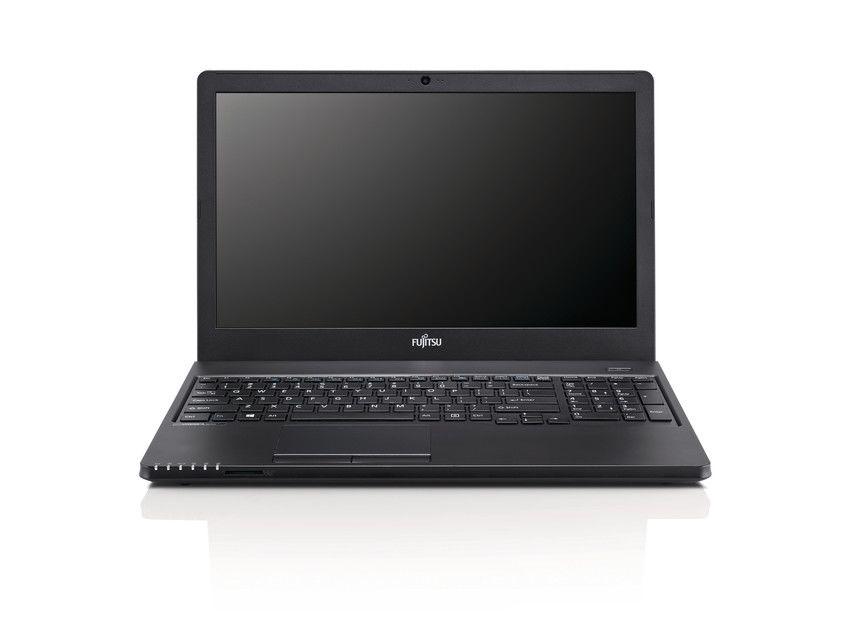
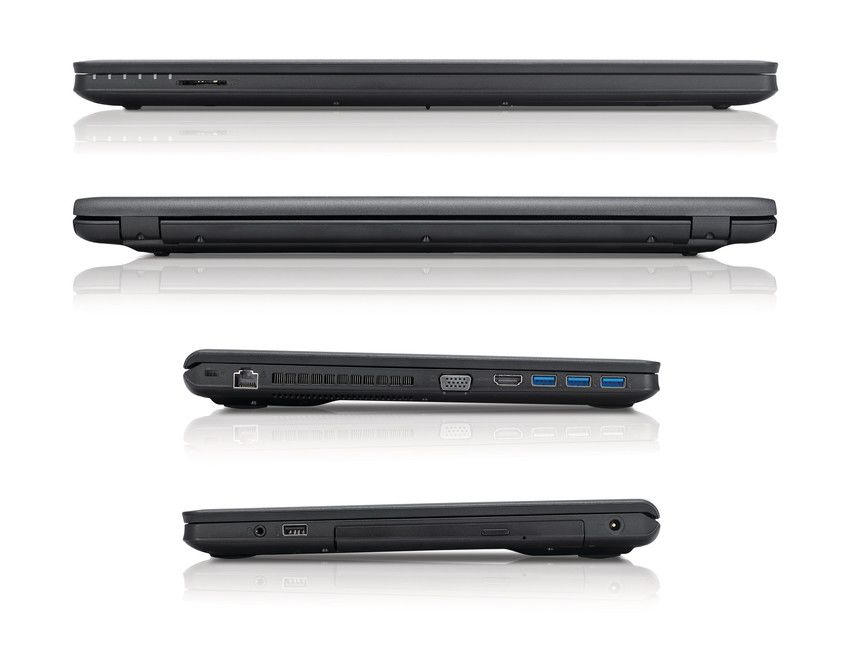
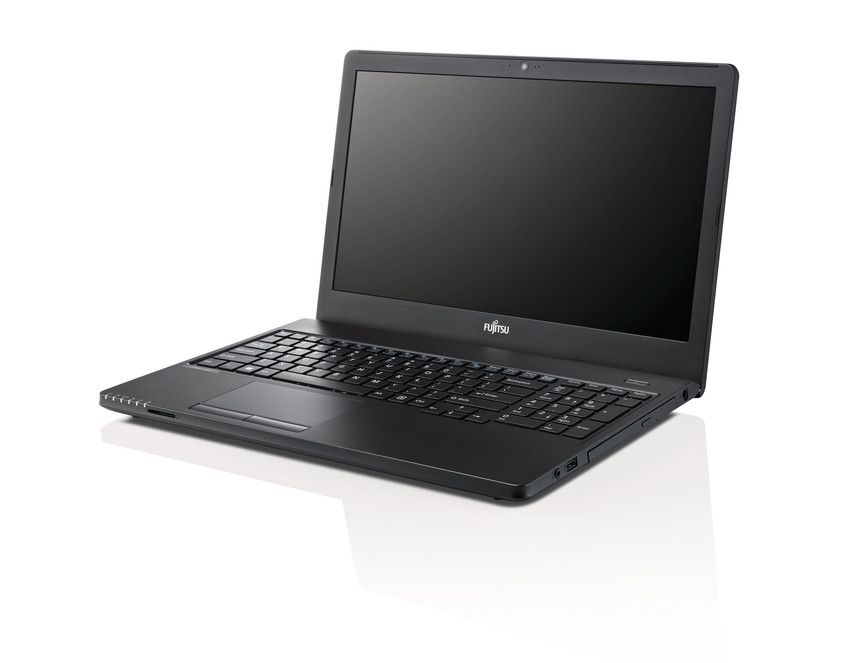
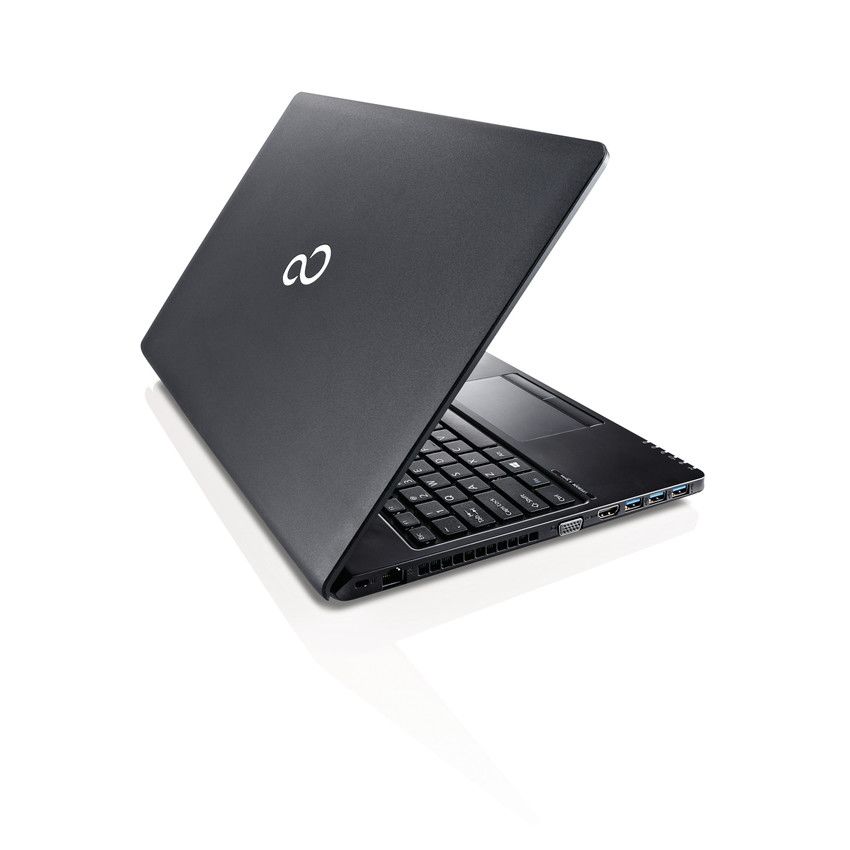
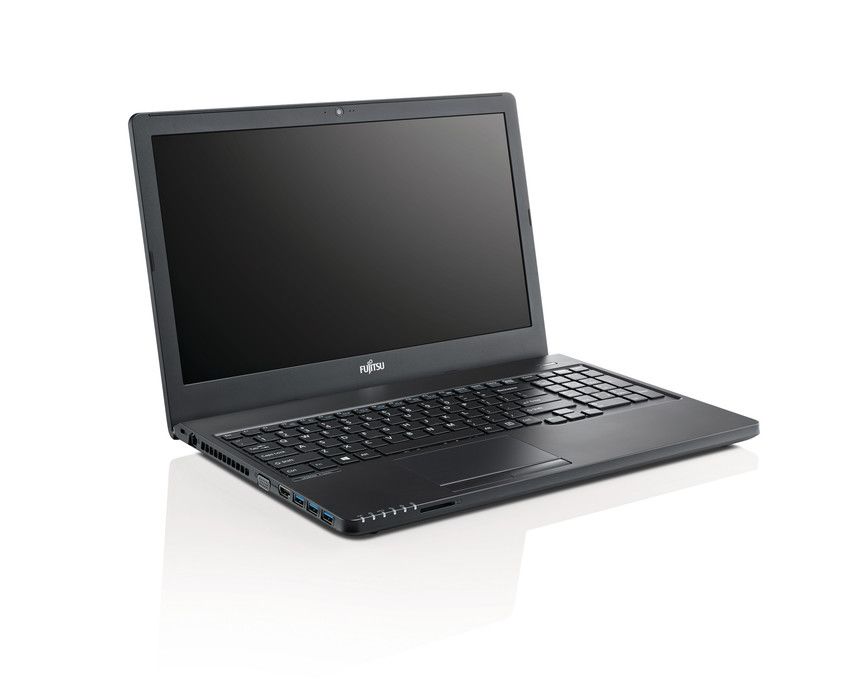
The FUJITSU LIFEBOOK A Series A555/G laptop features DDR4-SDRAM memory upgrade specifications with four SO-DIMM slots supporting maximum capacity of 32 GB. Compatible RAM operates at 2133 MHz frequency. Upgrade specifications indicate the A555/G model accommodates SO-DIMM memory modules, allowing users to expand system memory through available slot configuration. Maximum RAM capacity of 32 GB represents the upper limit for memory expansion on the LIFEBOOK A555/G platform.
Memory Upgrade Specifications
| Specification | Value |
|---|---|
| Memory slots | 4x SO-DIMM |
| Form factor | SO-DIMM |
| Memory type | DDR4-SDRAM |
| Frequency | 2133 MHz |
| Maximum RAM | 32 GB |
| Voltage | 1.2V |
| Number of pins | 260-pin |
| Interface | PC4 |
| PC Speed Rating | PC4-2133 (PC4-17064) |
| Bandwidth | 17.1 GB/s |
| Laptop Release date | 30 May 2017 |
Additional Notes
- The FUJITSU LIFEBOOK A555/G accepts non-ECC unbuffered modules only, as registered or ECC memory types will trigger POST failures or system instability.
- Four physical slots enable dual-channel operation when populated in matching pairs across channels, effectively doubling memory bandwidth from approximately 17 GB/s to 34 GB/s per channel.
- Maximum capacity per slot reaches 8 GB, requiring density-specific chips that may not be available in all latency grades or from all manufacturers.
- DDR4-2133 represents PC4-17000 standard with CAS latencies typically ranging from CL15 to CL17, where tighter timings reduce access delays in memory-intensive applications.
- SO-DIMM physical dimensions measure 67.6 mm in length versus 133.35 mm for standard DIMMs, preventing installation of desktop memory modules.
- Mixed module capacities across slots will force all memory to operate at the speed and timings of the slowest installed module.
- Operating voltage for DDR4-2133 modules is standardized at 1.2V, whereas DDR3L modules at 1.35V are physically incompatible despite similar SO-DIMM form factors.
- Single-rank versus dual-rank module architecture affects population rules, as four dual-rank modules may reduce maximum supported frequency or prevent POST completion.
- Bottom-side memory slots often require complete disassembly including keyboard and palmrest removal, voiding seals that indicate warranty-protected component access.
- Mixing modules from different manufacturers introduces timing inconsistencies that BIOS may resolve through conservative fallback settings, reducing effective performance below rated specifications.
- The 32 GB maximum assumes BIOS microcode support for 8 GB module density, which may require firmware updates on early production units.