FUJITSU LIFEBOOK A557 RAM upgrade specifications
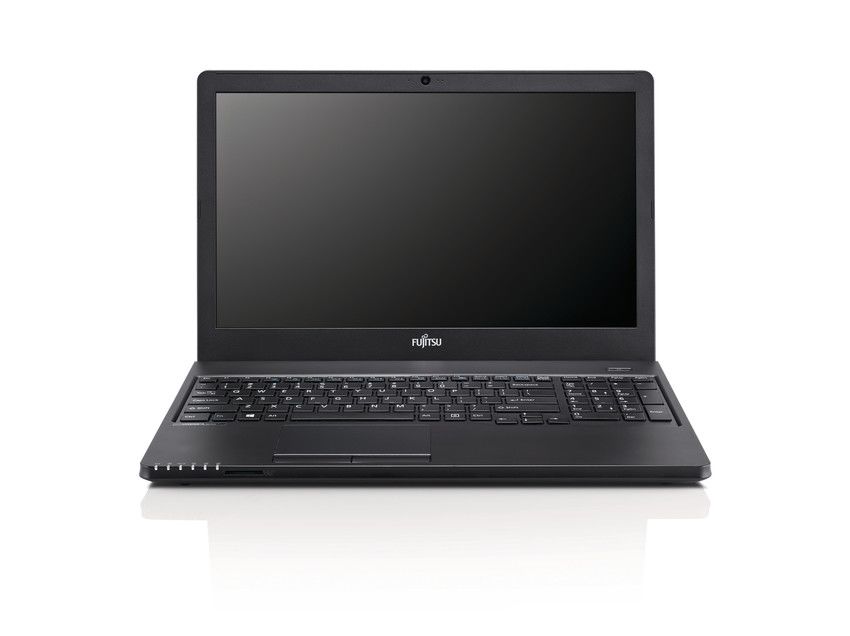
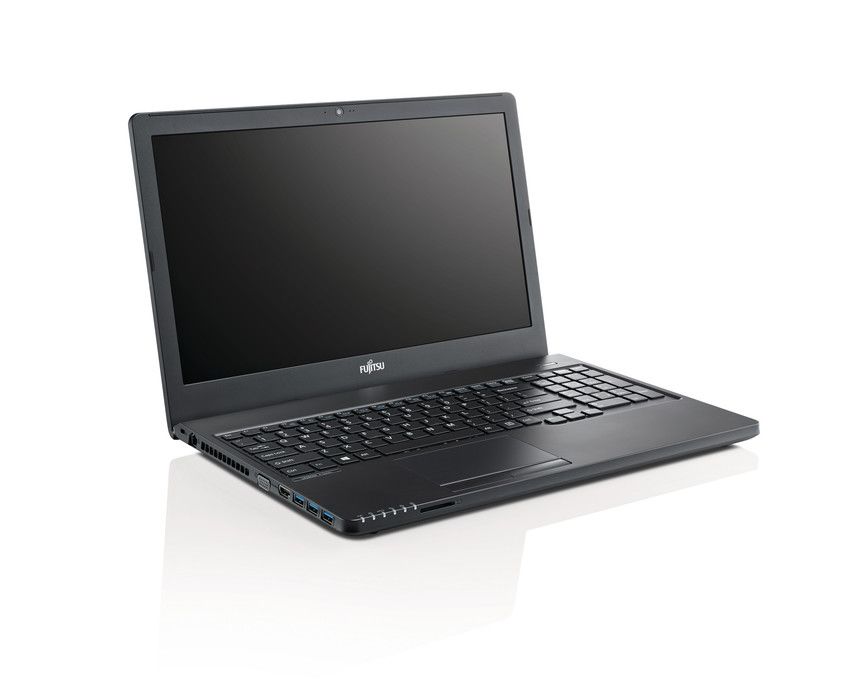
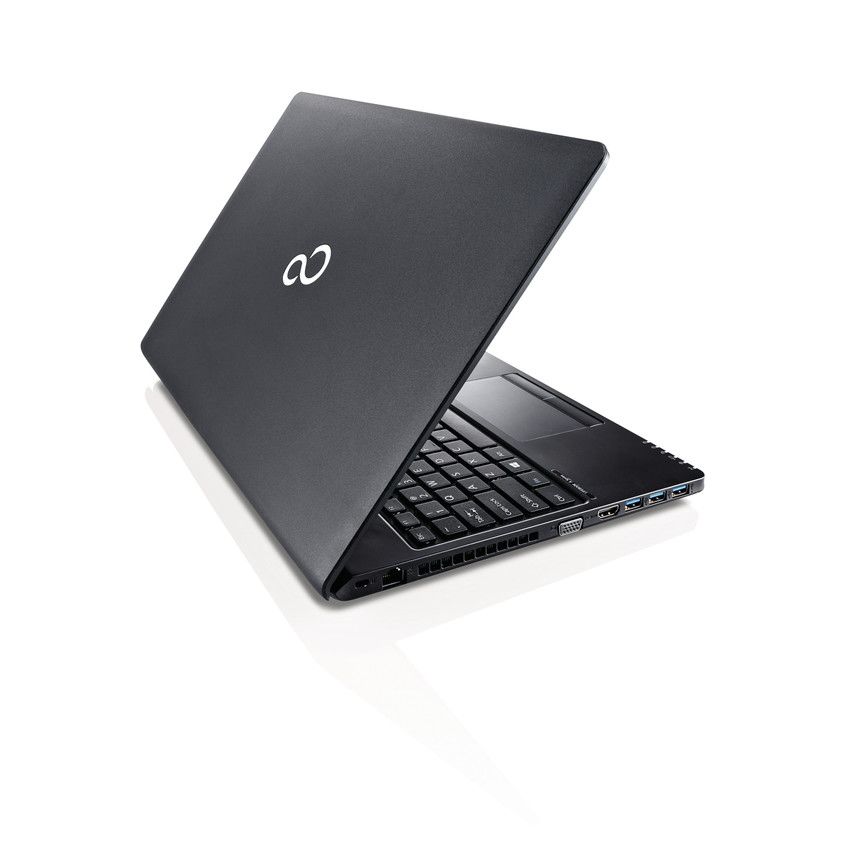
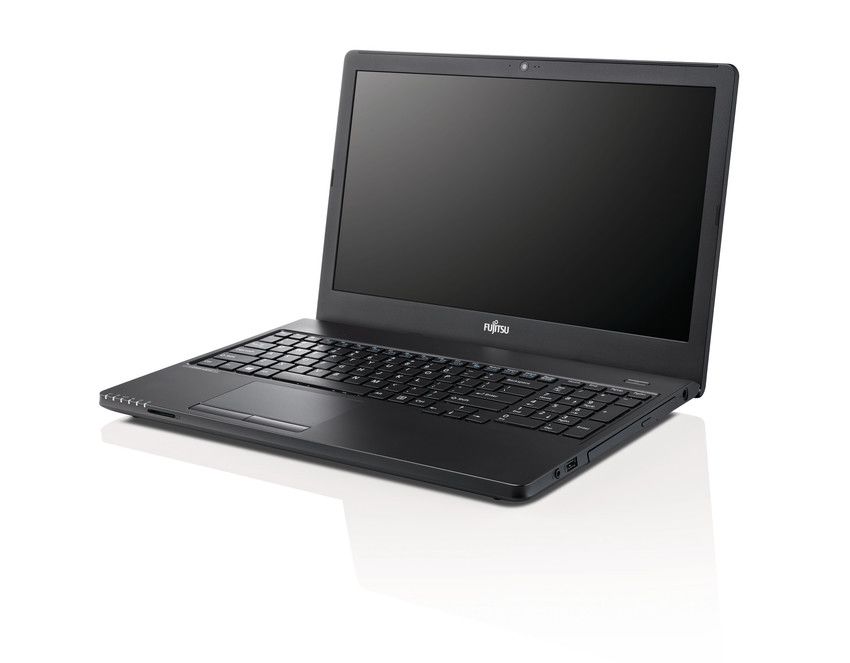
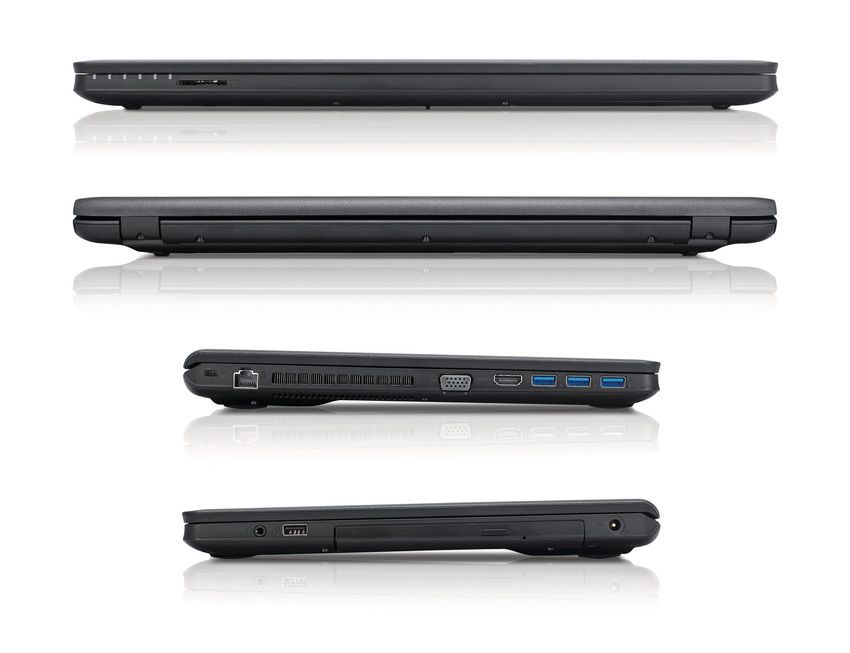
FUJITSU LIFEBOOK A Series A557 laptop supports memory upgrades via 2x SO-DIMM slots compatible with DDR4-SDRAM modules operating at 2133 MHz. Maximum RAM capacity reaches 32 GB total. The A557 specifications indicate upgrade potential for existing memory configurations through standard SO-DIMM form factor modules. Memory compatibility requirements and specifications define upgrade parameters for the LIFEBOOK A557 model.
Memory Upgrade Specifications
| Specification | Value |
|---|---|
| Memory slots | 2x SO-DIMM |
| Form factor | SO-DIMM |
| Memory type | DDR4-SDRAM |
| Frequency | 2133 MHz |
| Maximum RAM | 32 GB |
| Voltage | 1.2V |
| Number of pins | 260-pin |
| Interface | PC4 |
| PC Speed Rating | PC4-2133 (PC4-17064) |
| Bandwidth | 17.1 GB/s |
| Laptop Release date | 10 August 2017 |
Additional Notes
- DDR4-2133 represents first-generation DDR4 specification, limiting compatibility to pre-2015 chipsets; newer DDR4 modules rated for 2400 MHz or higher will operate at 2133 MHz ceiling due to SPD profile constraints in this platform.
- SO-DIMM form factor constrains upgrade selection to notebook-class modules only; desktop DDR4 UDIMM modules cannot physically install regardless of speed or capacity matching.
- 2 slot configuration with 32 GB maximum capacity indicates single-sided module population; installing matched pairs of 16 GB SO-DIMM modules represents the sole path to 32 GB configuration, not mixed capacity combinations.
- Bandwidth saturation threshold of approximately 17 GB/s (2133 MHz × 64-bit × 2 channels) may constrain performance gains in workloads leveraging parallel memory access; integrated graphics share this bandwidth with system RAM.
- Original equipment memory likely operates at 2133 MHz default; mixing single-rank and dual-rank modules across slots may trigger suboptimal timing fallback, reducing effective bandwidth despite capacity expansion.
- SODIMM latency characteristics (typically 15-16 cycles for this frequency tier) introduce consistent 7-8 nanosecond access delays compared to modern DDR4-3200 implementations; CPU-bound applications remain insensitive to this differential.