FUJITSU LIFEBOOK E548 RAM upgrade specifications
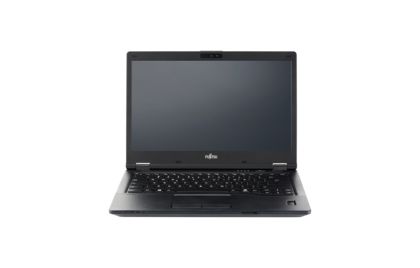
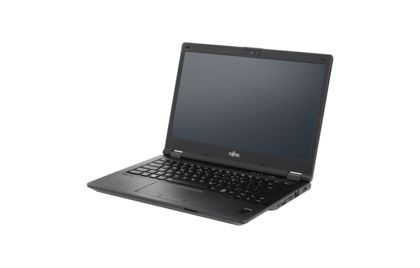
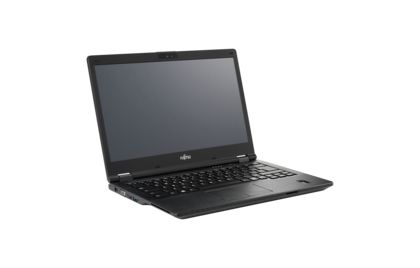
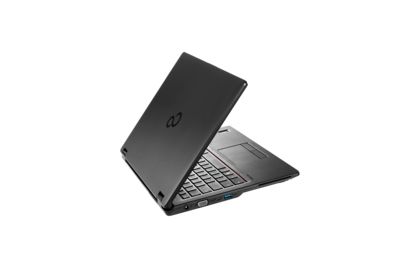
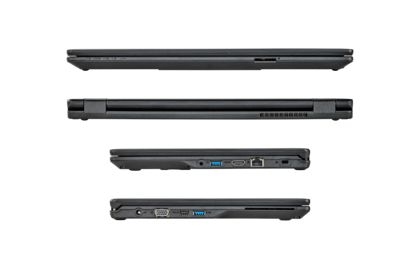
FUJITSU LIFEBOOK E Series E548 laptop features DDR4-SDRAM memory upgrades with 2x SO-DIMM slots. Maximum RAM capacity reaches 32 GB at 2400 MHz frequency. Compatible memory modules utilize SO-DIMM form factor specifications for this model. RAM upgrade slots support DDR4-SDRAM technology with designated specifications for enhanced system performance and expanded memory capacity on FUJITSU E548 units.
Memory Upgrade Specifications
| Specification | Value |
|---|---|
| Memory slots | 2x SO-DIMM |
| Form factor | SO-DIMM |
| Memory type | DDR4-SDRAM |
| Frequency | 2400 MHz |
| Maximum RAM | 32 GB |
| Voltage | 1.2V |
| Number of pins | 260-pin |
| Interface | PC4 |
| PC Speed Rating | PC4-2400 (PC4-19200) |
| Bandwidth | 19.2 GB/s |
| Laptop Release date | 22 January 2018 |
Additional Notes
- The 2400 MHz frequency limitation prevents the use of faster DDR4 modules rated at 2666 MHz or 3200 MHz, as they would either be incompatible or downclock to 2400 MHz, negating their higher-speed capability.
- SO-DIMM form factor restricts upgrade options to notebook-specific modules, eliminating the possibility of using standard desktop DIMM memory despite both using DDR4 technology.
- The 32 GB maximum capacity constraint requires balanced configurations when approaching the upper limit, as installing a single 32 GB module would leave no expansion headroom without replacement.
- Two-slot configuration creates a trade-off between dual-channel bandwidth optimization and future expandability, as populating both slots immediately eliminates upgrade paths without module replacement.
- DDR4-2400 specification indicates the system likely uses an Intel 7th or 8th generation mobile processor, which defines both the supported memory speeds and maximum addressable capacity.
- Accessing the memory slots on this business-class LIFEBOOK model typically requires bottom panel removal, which may involve breaking warranty seals depending on regional warranty terms.
- Dual-channel operation requires matched pairs for optimal memory interleaving, meaning mismatched module capacities or speeds across slots will result in single-channel operation or asymmetric configurations with reduced performance.
- The SO-DIMM 260-pin standard is mandatory for physical compatibility, as older 204-pin DDR3 SO-DIMMs will not fit despite similar visual appearance.
- Non-ECC unbuffered modules are the standard requirement for this consumer-business hybrid platform, as registered or ECC memory would be incompatible with the mobile chipset architecture.
- Operating voltage must conform to DDR4 standard of 1.2V, as low-voltage or overclocking variants designed for 1.35V may cause stability issues or fail to initialize.